
Attic Ventilation in Michigan
We evaluate your intake and exhaust, calculate the airflow your attic needs, and install balanced ventilation that cuts moisture, prevents ice dams, and helps your roof last longer.
Signs of Bad Ventilation
These signs are often subtle at first, but they become more serious over time if airflow is restricted or unbalanced.
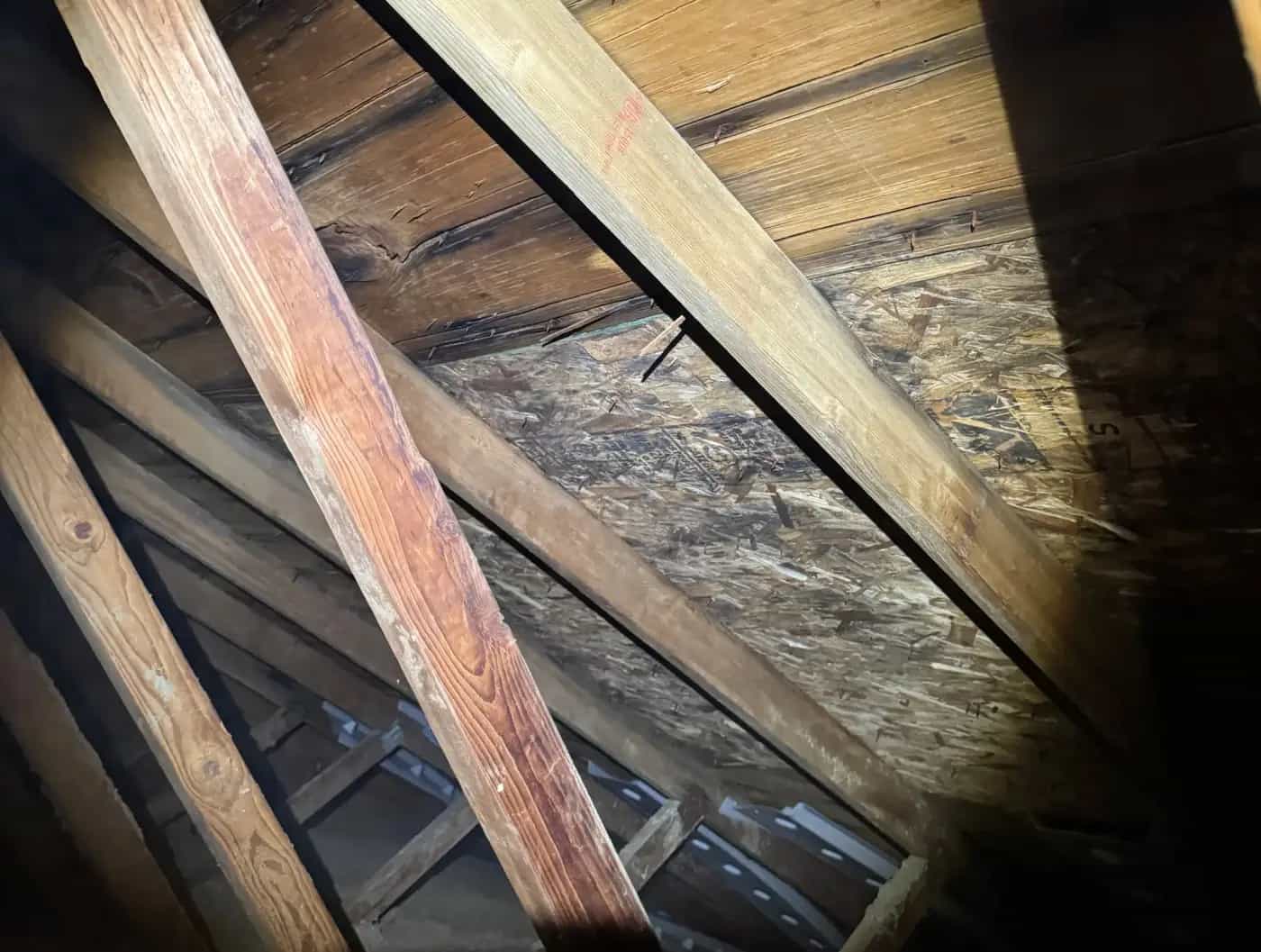
Mold or Mildew in Attic
Poor ventilation traps moisture, creating conditions where mold and mildew easily form on wood surfaces.
High Energy Bills
A poorly vented attic holds excess heat or cold, causing your HVAC system to work harder and use more energy.
Ice Dams in Winter
Warm attic air melts roof snow, which refreezes at the edges and creates damaging ice dams along the eaves.
Hot Second Floor
Heat buildup in an unventilated attic transfers downward, making the second floor noticeably hotter.
Premature Roof Aging
Excess attic heat and moisture stress shingles and underlayment, causing them to deteriorate far sooner.
Musty Smells
Moist, stagnant attic air can drift into living spaces, creating persistent musty odors throughout the home.
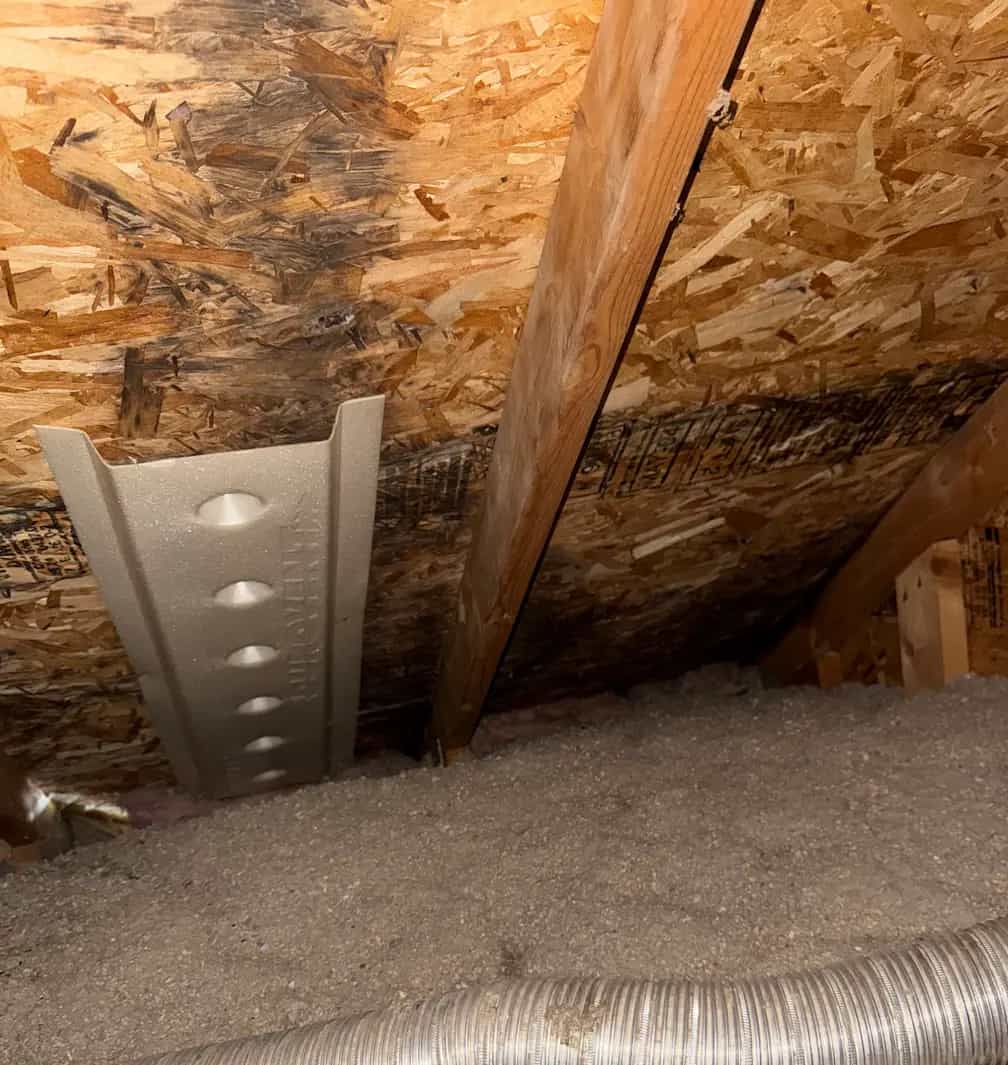
A Healthy Roof Starts with a Breathing Attic
Why Ventilation Is So Important in Michigan
Michigan's climate puts constant stress on your attic and roof system. Hot and humid summers push moisture into the attic, where it can condense on wood and lead to mold, mildew, and structural damage. Proper ventilation allows that moisture to escape and keeps attic temperatures stable throughout the warm season.
Freezing winters create warm attic and cold roof conditions that lead to ice dams, which can force water back under shingles and into the home. Balanced ventilation reduces heat buildup, limits ice dam formation, and helps your roof last as long as it should. It is one of the most important and most overlooked parts of protecting a Michigan home. It is also why we evaluate intake and exhaust on every roof replacement, since ventilation problems are easiest to correct while the roof is open.
Attic Evaluation Process
A quality roof is more than shingles. We address these key components with every roof replacement.
01
Inspect Your Current Intake and Exhaust System
We examine soffit vents, edge vents, ridge vents, box vents, gable vents, and baffles to understand how air is entering and exiting your attic and to identify any restrictions or imbalances in the airflow.
02
Calculate the Ventilation Your Attic Actually Needs
Using the one to one hundred fifty rule and the square footage of your attic, we determine the proper amount of intake and exhaust required and identify where ventilation may need to be added or reduced to create a balanced system.
03
Recommend Tailored Solutions for Your Roof Design
We recommend products and configurations that fit your roof structure, since not every home can use ridge vents or has soffits, and may require alternatives such as edge vent systems, box vents, or other custom options to correct airflow properly.
Types of Ventilation
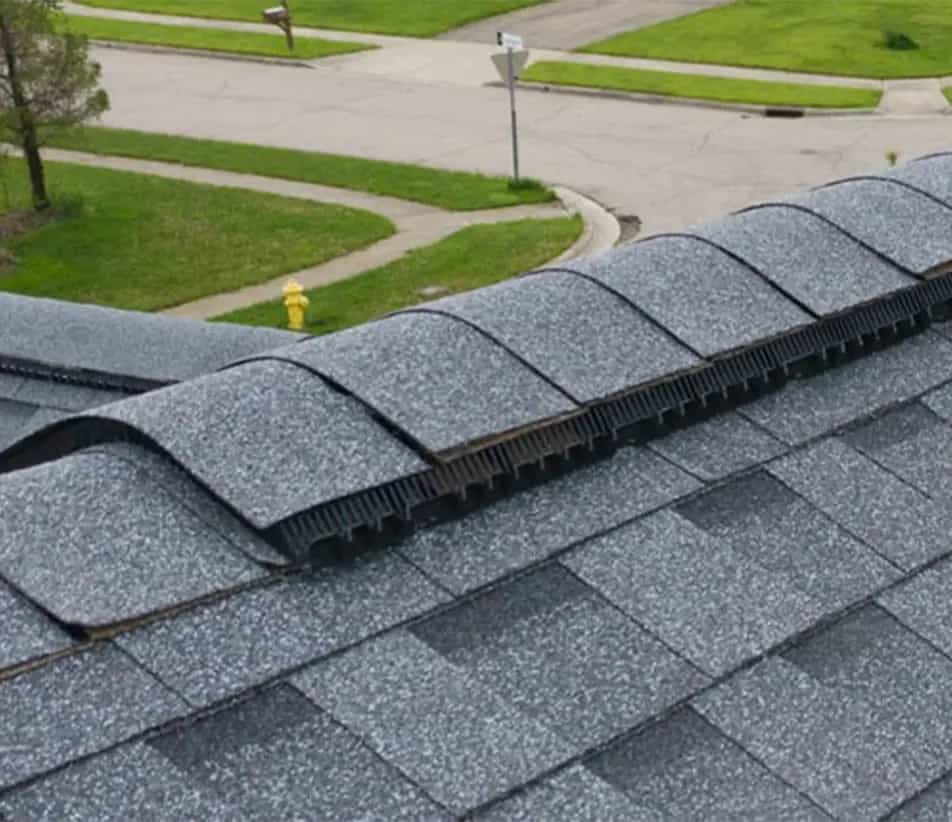
Ridge Vents
Installed along the roof peak, ridge vents release warm attic air evenly across the ridge line and create continuous, efficient exhaust ventilation.
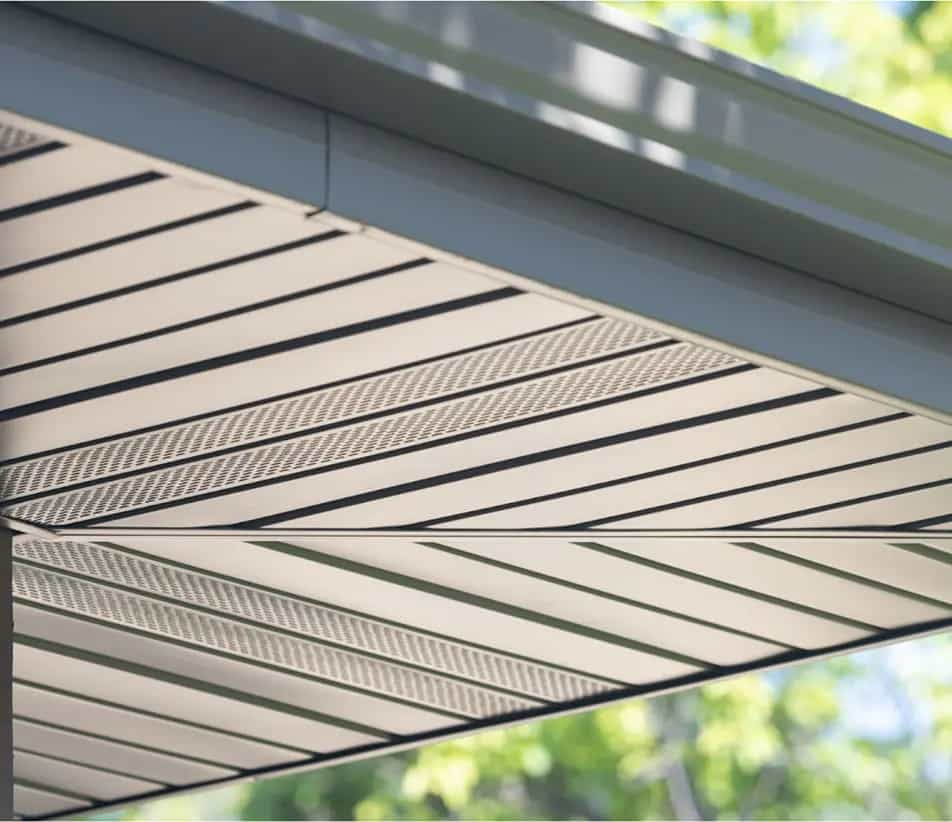
Soffit Vents
Placed under the roof overhang, soffit vents pull cooler outside air into the attic and supply the intake needed for a balanced ventilation system.
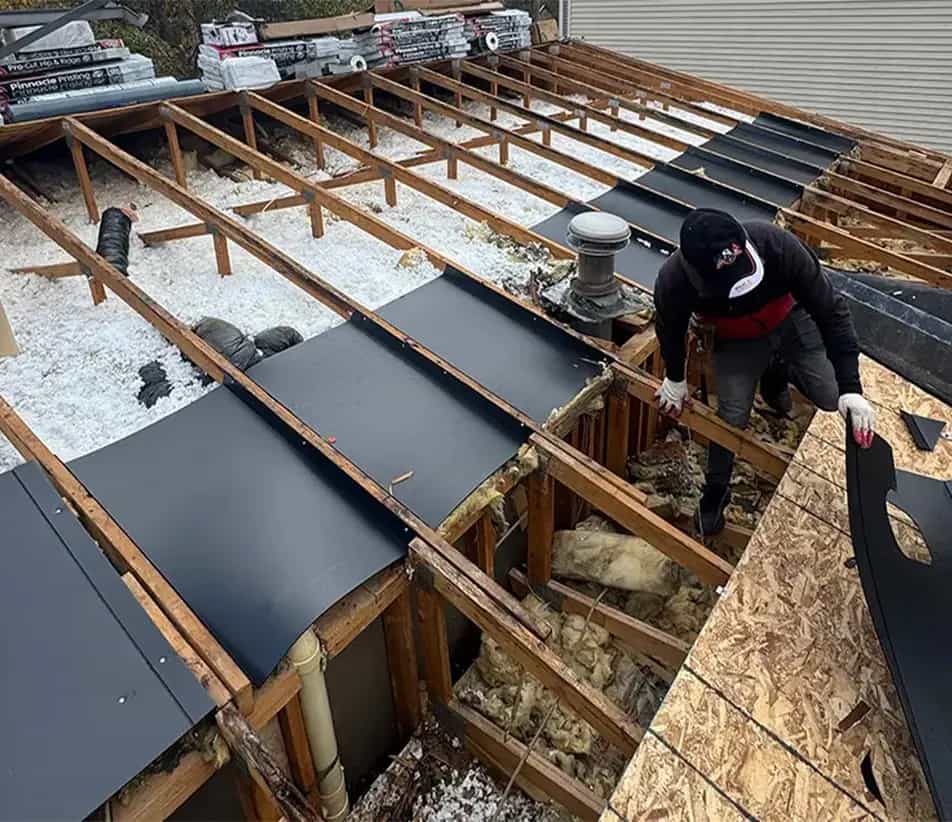
Baffles
Baffles keep insulation from blocking airflow at the eaves and guide fresh air from the soffits up into the attic to support proper air circulation.
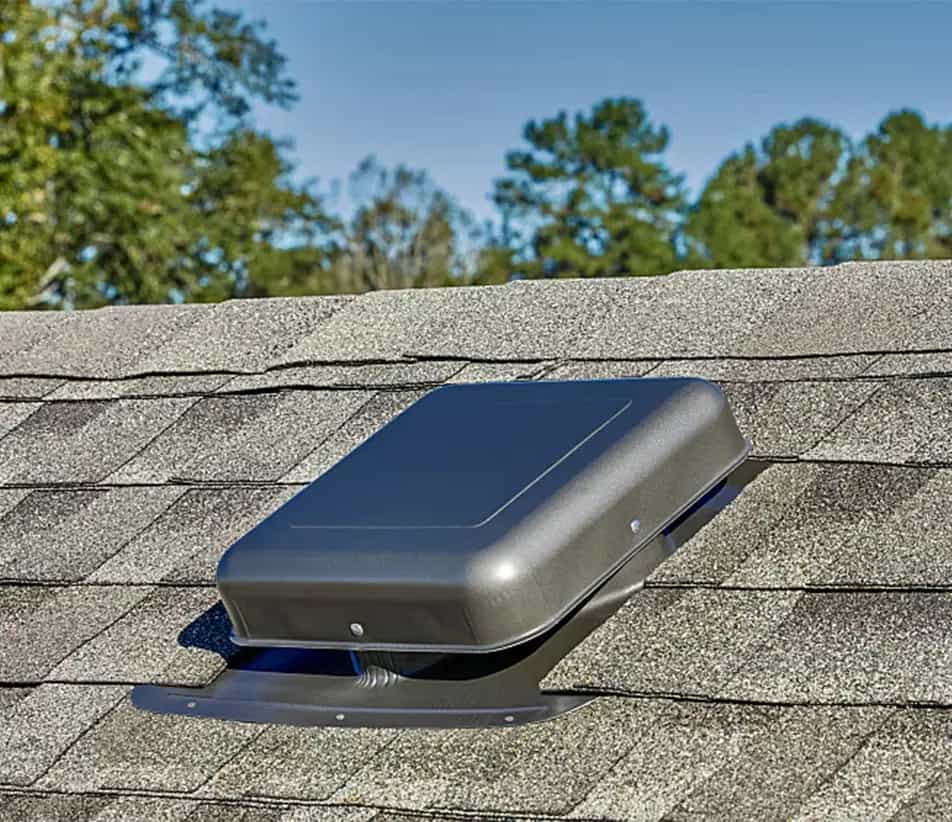
Box Vents
Box vents provide focused exhaust ventilation on specific roof areas and are used when ridge vents are not practical or when extra airflow is needed.
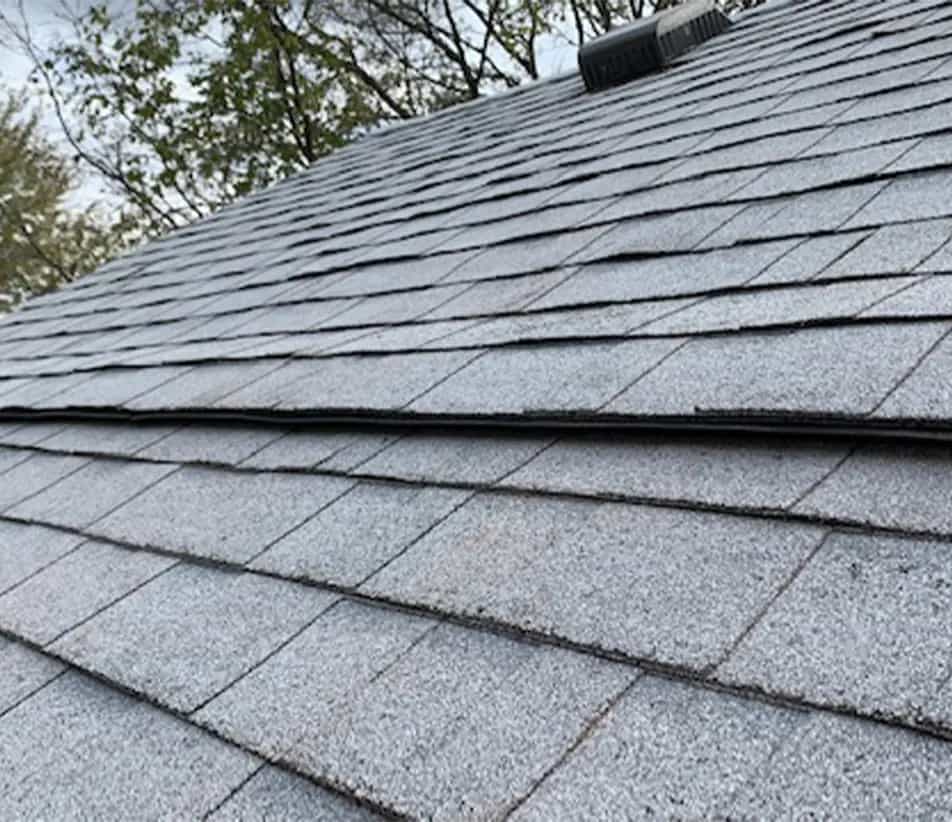
Edge/Eave Vents
For homes without overhangs or soffits, edge and eave vents create intake ventilation along the roof edge to replace traditional soffit airflow.
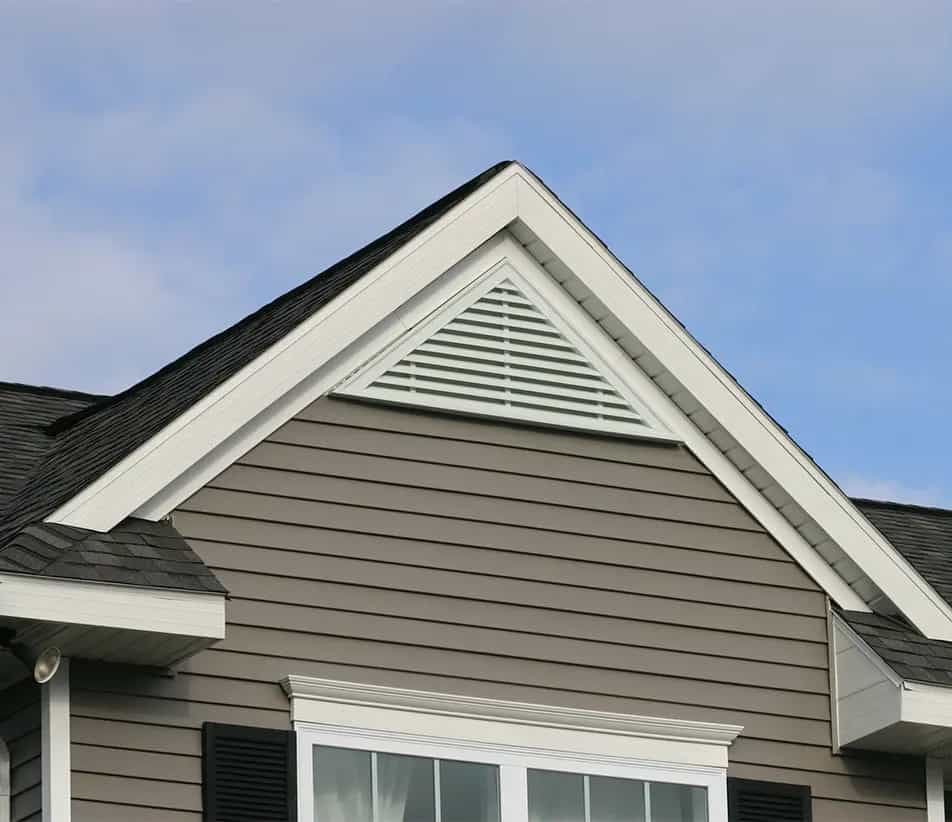
Gable Vents
Gable vents allow air to move horizontally through the attic and can supplement other ventilation types when the roof design supports it.
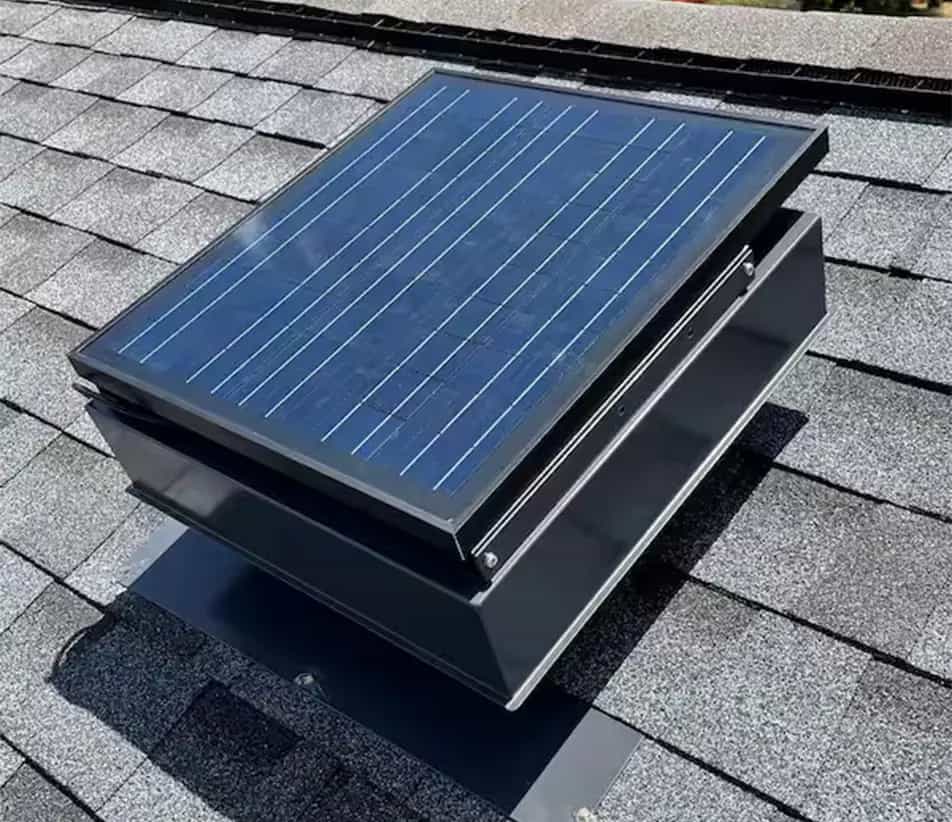
Solar Attic Fans
Solar attic fans provide supplemental airflow using free solar power, offering a low-energy option for boosting attic ventilation when conditions allow.
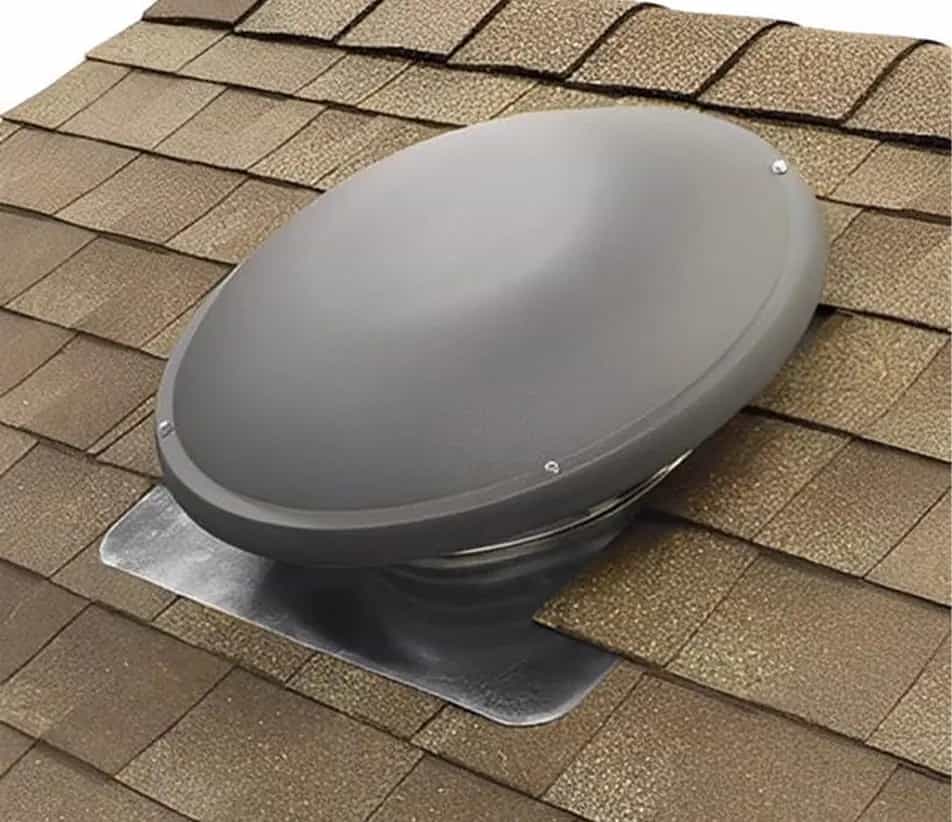
Wired Attic Fans
Wired attic fans help exhaust heat and moisture in specific situations, but must be sized and installed correctly to avoid drawing conditioned air from the home.
A Simple Formula For Correct Attic Ventilation
How Attic Ventilation Is Calculated
Attic ventilation is based on the size of your attic and the one to one hundred fifty rule, which determines how much net free area your home needs for proper airflow. The total required ventilation is split evenly between intake and exhaust, creating a balanced system that allows air to move in and out the way it should.
Attic Square Footage / 150 = Total Net Free Area Needed
Half of that number should be intake and the other half should be exhaust.
Calculation uses attic square footage divided by 150, converted to net free area in square inches, then split evenly between intake and exhaust.
Hundreds of Happy Customers
“Aaron performed a very thorough inspection of the roof with a well-documented report. I was provided a very reasonable quote for a new roof with many options. The whole process was transparent and professional from start to finish.”
“After getting the runaround from a couple other companies, Aaron came out and was completely straight with me about what I needed. No pressure, no scare tactics, just honest info. The crew showed up on time, did solid work, and left the place clean.”
“This was an extremely smooth process. Starting with Aaron Scott who handled the estimate, he was friendly, on time, no hard sell, just advised me of problems and gave a good price. Evan and the roofers took it from there. The clean up was excellent. I would highly recommend Roofing Army.”
Serving Southeast and West Michigan
Roofing Army works from five local offices in Oxford, Ferndale, Rochester Hills, Plymouth, and Jenison. Explore the counties and communities we serve.