Recoverable depreciation is the part of a replacement cost roof claim that your insurer holds back until the roof is actually replaced. You receive an initial check at actual cash value, complete the work, send the insurer the final invoice, and the held-back depreciation is released as a second check. If you never replace the roof, that money stays with the insurer. I'm Aaron Scott, a licensed Michigan residential builder and owner of Roofing Army, and our office submits the paperwork that releases this second check on storm claims across Southeast Michigan.
What Is Recoverable Depreciation?
When an adjuster writes a roof estimate, they price the full replacement at today's cost (replacement cost value, or RCV), then subtract depreciation for the roof's age and wear to reach actual cash value (ACV). Under a replacement cost policy, that depreciation is not gone; it is withheld. It is called recoverable because you recover it by doing the work. Under an actual cash value policy or a roof payment schedule endorsement, the same deduction is labeled non-recoverable and is never paid. Our guide to ACV versus RCV roof insurance in Michigan covers that difference in depth.
Look for the word on your estimate's summary page. If depreciation is listed as recoverable, the second check exists and this guide tells you how to collect it.
How Is Recoverable Depreciation Released?
The sequence is the same with nearly every carrier:
- 1. Initial payment. The insurer sends the ACV minus your deductible. This is the net claim on the estimate.
- 2. Notice of intent. You tell the insurer, in writing, that you intend to repair or replace. The standard homeowners form requires this notice within 180 days after the date of loss to preserve your right to the replacement cost amount.
- 3. The roof is replaced. By a licensed contractor, to the scope in the estimate plus any approved supplements.
- 4. Final invoice and completion documents. Your contractor sends the itemized final invoice, often with a certificate of completion and photos of the finished roof, to the adjuster under your claim number.
- 5. Release. The insurer compares the invoice to the approved estimate and pays the withheld depreciation, up to the amount actually spent above the ACV payment.
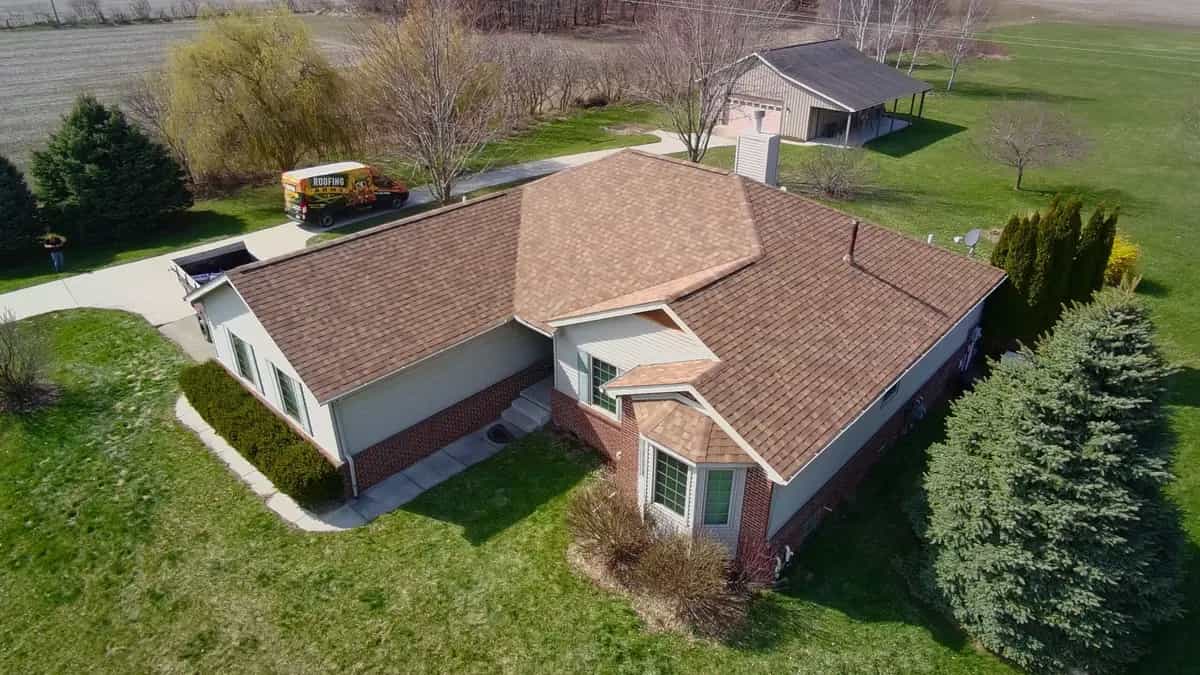
Our job portal makes step four simple. Every project has before, during, and after drone photos, so the completion package goes out with the invoice the day the roof is finished, and the homeowner can see the same documentation the adjuster sees.
What Does the Insurer Need to See on the Invoice?
Carriers release depreciation against evidence that the work was done and what it cost. A clean package includes:
- Itemized final invoice on the contractor's letterhead, showing the completed scope and the total, marked paid or showing the balance due.
- The claim number and property address on every page.
- Completion date and, if the carrier asks, a signed certificate of completion.
- Photos of the finished roof, especially where supplements were approved for decking or code items.
- Any supplement approvals so the invoice total reconciles with the revised estimate.
If the invoice is lower than the approved RCV, the insurer will generally release depreciation only up to what you actually spent. If it is higher because of items the estimate missed, that difference is handled as a supplement, not through the depreciation release. Our guide to roof insurance supplements explains the process.
What Does It Look Like on a Real Michigan Roof?
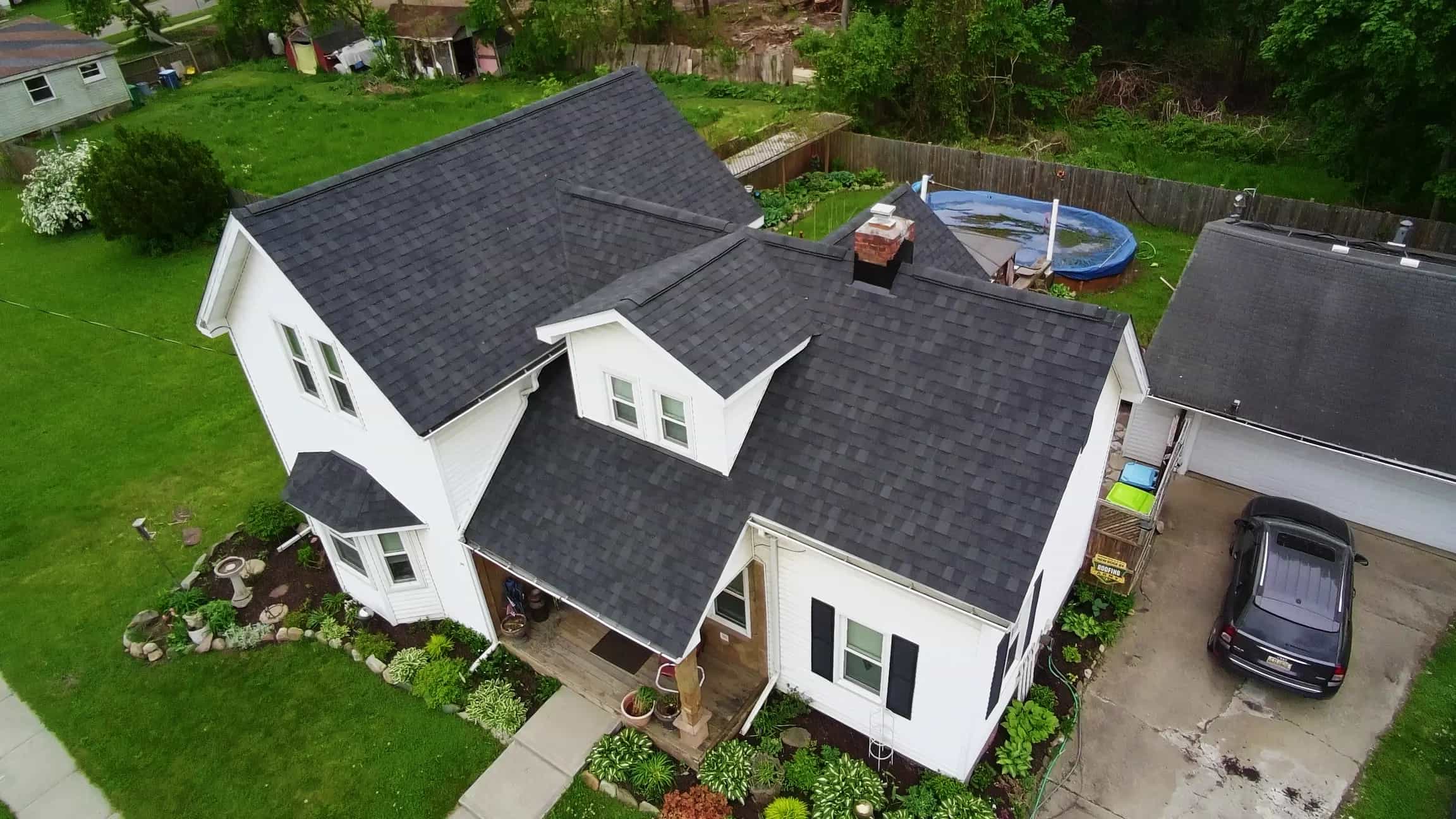
Take our roof replacement at 3537 Mildred Avenue in Rochester Hills, 1,720 square feet published at $14,469. Suppose the adjuster's approved RCV matched that price, the deductible was $1,000, and the adjuster withheld $2,800 in recoverable depreciation. Those last two figures are hypothetical, chosen to show the math:
| Step | Amount |
|---|---|
| Approved replacement cost (RCV) | $14,469 |
| Less recoverable depreciation (hypothetical) | ($2,800) |
| Actual cash value (ACV) | $11,669 |
| Less deductible (hypothetical) | ($1,000) |
| First check | $10,669 |
| Roof completed, final invoice submitted | $14,469 |
| Second check (depreciation released) | $2,800 |
| Total from insurer | $13,469 |
| Homeowner's share | $1,000 deductible |
Because we never take a deposit, the homeowner in a case like this pays nothing until the roof is done, and the first check plus the deductible covers the invoice while the second check is in process.
How Long Does It Take to Get the Second Check?
Carriers vary, and your own policy governs, but two Michigan rules frame the timeline. Under MCL 500.2006, once the insurer has satisfactory proof of loss, it has 60 days to pay before the unpaid benefit accrues 12 percent simple annual interest. For the depreciation release, the final invoice and completion documents are the proof that the replacement cost is owed, so send them promptly and keep the confirmation. In our experience most releases arrive within a few weeks of a complete package; a missing claim number or an invoice that does not reconcile with the estimate is the usual cause of delay.
Your policy may also set a deadline for completing the repairs, often expressed as a number of months after the loss or after the ACV payment. Read the loss settlement conditions and ask your adjuster for the date in writing. If a contractor backlog or a winter install schedule threatens that deadline, tell the insurer before it passes; extensions are commonly granted when requested early.
What Happens If You Do Not Replace the Roof?
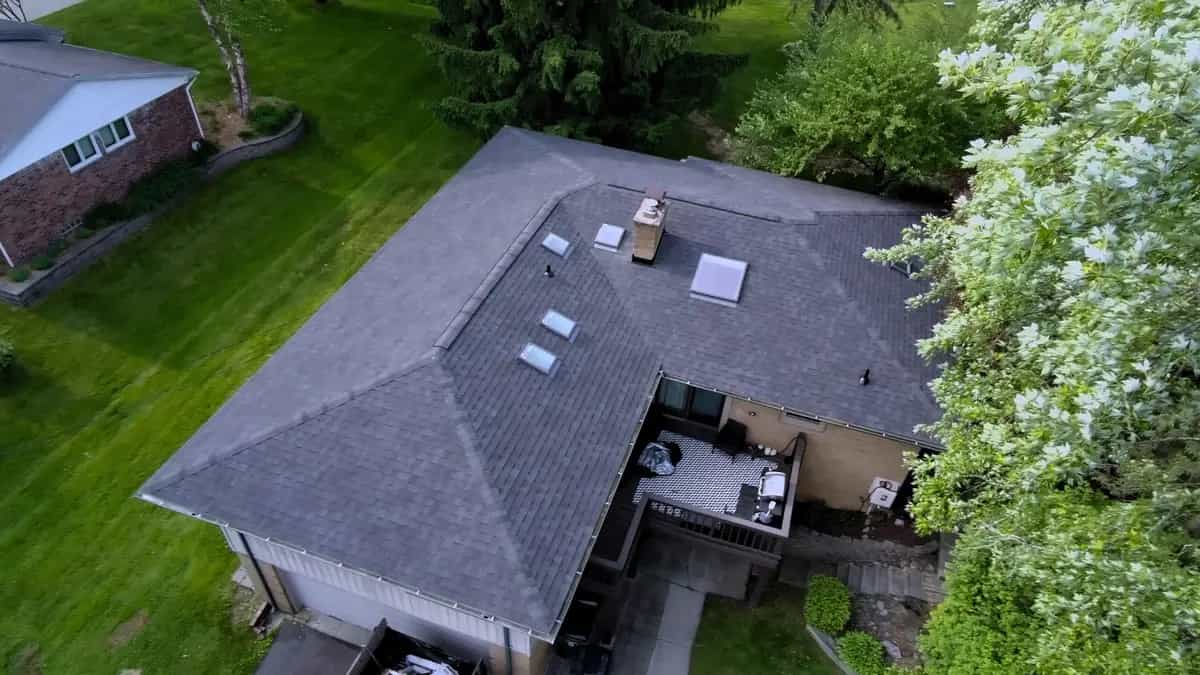
You keep the ACV payment and forfeit the recoverable depreciation. The insurer has no obligation to pay replacement cost for a replacement that did not happen. A few related situations come up often:
- You repair instead of replace. The insurer generally releases depreciation only up to the amount actually spent. A $4,000 repair on a $14,000 approved replacement will not unlock the full holdback.
- You do the work yourself. Most carriers will pay for materials actually purchased and may pay little or nothing for your own labor. Ask before you start.
- You sell the house first. The claim belongs to the policy period and the insured; talk to your agent about how an open claim transfers.
- You miss the notice or completion deadline. The insurer can decline to release the holdback. This is the most avoidable loss on the list.
Leaving documented storm damage in place also creates a problem on the next claim, since later water damage can be attributed to your failure to repair rather than to a new event.
Can the Insurer Depreciate Labor in Michigan?
Not without your agreement. According to Michigan Department of Insurance and Financial Services Bulletin 2024-26-INS, for homeowners and dwelling policies issued or renewed on or after January 1, 2025, insurers may depreciate labor, taxes, fees, and overhead and profit only through a standalone optional endorsement offered for a reduced premium. On a replacement cost policy the point is mostly about timing, since labor depreciation would be held back and released later, but on an ACV policy it is money that never comes back. Either way, check the depreciation column against the endorsement list on your declarations page.
What About Mortgage Company Endorsements?
If you have a mortgage, claim checks above a threshold set by your lender are usually made out to you and the mortgage company together. The lender endorses the check, sometimes holds the funds and releases them in stages, and may require an inspection of the finished roof. Start that paperwork when the first check arrives so the second check does not sit in the lender's queue. The full sequence from claim to final payment is in our guide to filing a roof insurance claim in Michigan.
How Do You Make Sure You Collect It?
Send the written notice of intent early, hire a licensed contractor who documents the finished roof, and get the completion package to the adjuster the day the job ends. We handle that package on every roof replacement paid by insurance, we meet the adjuster on site during the claim, and a Roofing Army project manager is on site for the entire install. If the claim has not started yet, our storm damage inspection is free and tells you whether it is worth filing, and emergency tarping is available if the roof is open now. We work with homeowners in Rochester Hills, Oxford, Troy, and across Southeast Michigan, and every completed roof is published with its real price in our job gallery. For what your policy covers in the first place, start with does homeowners insurance cover roof replacement in Michigan.
Frequently Asked Questions
Is there a deadline to claim recoverable depreciation?
Standard homeowners forms require you to notify the insurer within 180 days after the date of loss that you intend to repair or replace. Many policies also set a period for completing the work. Check your loss settlement conditions, put your intent in writing early, and ask for an extension before any deadline passes if the schedule slips.
Can I keep the depreciation if my contractor finishes for less than the estimate?
Generally no. Insurers release recoverable depreciation up to the amount you actually spent above the actual cash value payment. If your final invoice comes in below the approved replacement cost, the second check is reduced accordingly. If it comes in above because of missed items, that difference is submitted as a supplement.
Do I have to use the insurance money on the roof?
The initial actual cash value payment is yours once issued, subject to any mortgage company endorsement. The recoverable depreciation is paid only after the roof is replaced and invoiced. Leaving storm damage unrepaired can also affect future claims, since later water damage may be attributed to the unrepaired condition.
What if my insurer says the depreciation is non-recoverable?
That means your policy settles the roof at actual cash value, either through the base policy or a roof payment schedule endorsement, and the deduction is permanent. Confirm by reading the loss settlement section and any roof endorsement on your declarations page. If the policy is written on a replacement cost basis and the estimate still says non-recoverable, ask the adjuster to explain in writing.
How does a contractor with no deposit policy handle the timing of the two checks?
The homeowner pays nothing until the roof is complete. At completion, the first check and the deductible cover most of the invoice, the contractor sends the completion package to the insurer, and the released depreciation covers the balance when it arrives. That is how we run every insurance-paid roof, and the completion photos come from the same job portal the homeowner sees.