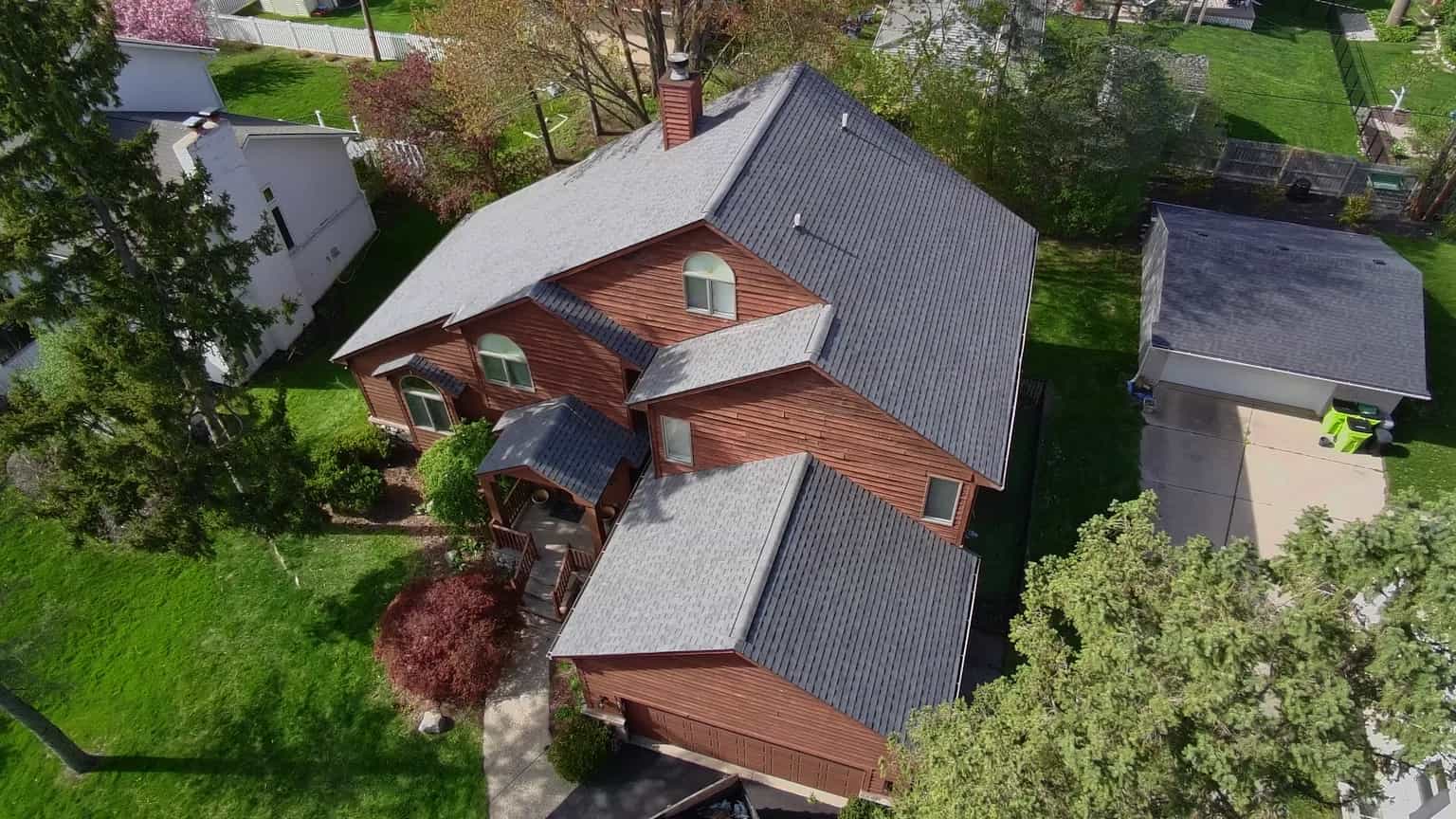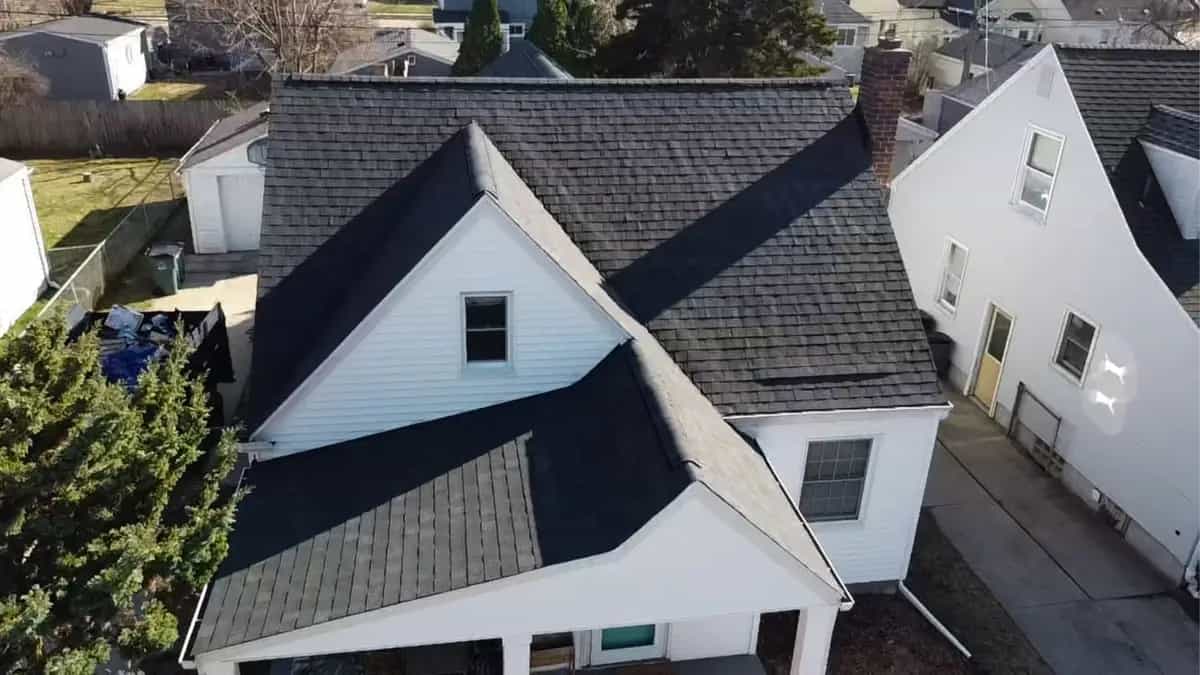
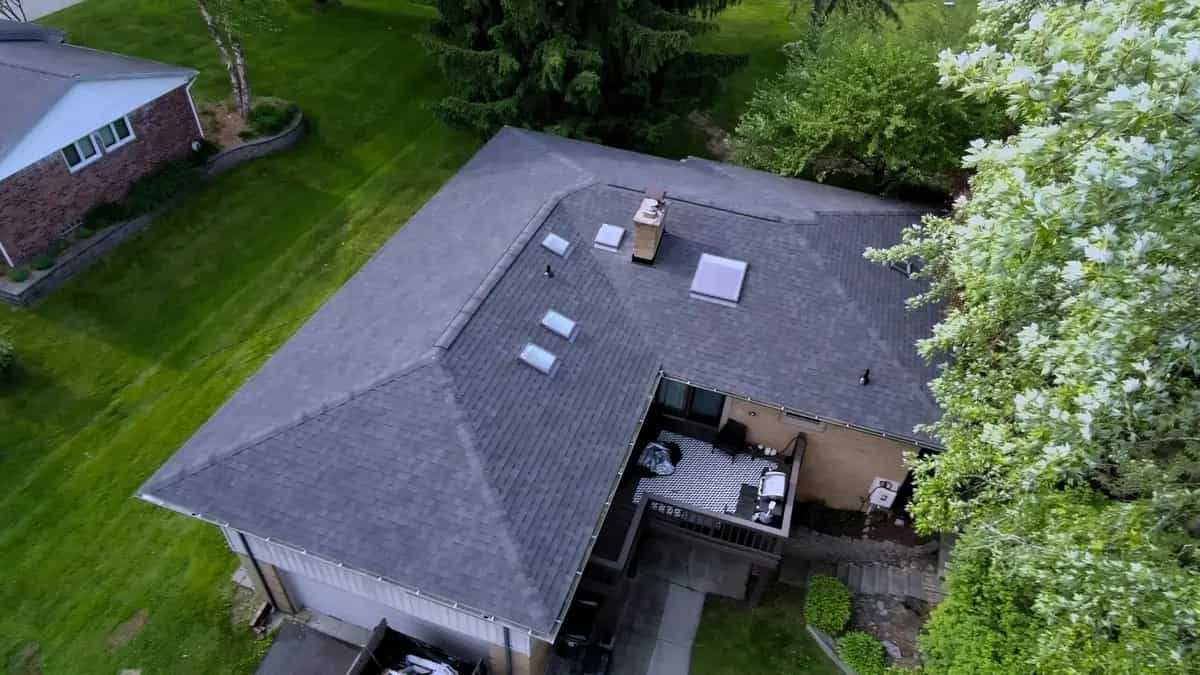
To file a roof insurance claim in Michigan: photograph the damage, call your insurer to open the claim and get a claim number, have a licensed contractor inspect the roof, meet the adjuster on site, and submit any proof of loss the insurer requests in writing. Once your insurer has a complete proof of loss, Michigan law gives it 60 days to pay or start owing you interest. I'm Aaron Scott, a licensed Michigan residential builder and owner of Roofing Army, and our crews walk this exact process with homeowners across Southeast Michigan after nearly every storm that rolls through.
What Are the Steps to File a Roof Insurance Claim in Michigan?
There is a specific order that keeps a claim moving and protects you if the insurer drags its feet or lowballs the payout. Here is the full sequence, then we will walk through each step in detail.
| Step | What You Do | Michigan Timeframe |
|---|---|---|
| 1. Document | Photograph damage from the ground and inside the house | Same day |
| 2. Prevent further damage | Tarp active leaks or openings | As soon as safely possible |
| 3. Open the claim | Call your insurer or agent, get a claim number | As soon as you find the damage |
| 4. Get an independent inspection | A LARA-licensed roofer documents the damage before the adjuster arrives | Before or same day as adjuster visit |
| 5. Proof of loss | Insurer specifies in writing what it needs to complete the claim | Within 30 days of your claim (MCL 500.2006) |
| 6. Adjuster inspection | Adjuster walks the roof, often with your contractor present | Scheduled after the claim opens |
| 7. Payment or dispute | Insurer pays, or you invoke appraisal or file a DIFS complaint | 60 days after complete proof of loss (MCL 500.2006) |
How Do You Document Roof Damage Before Filing?
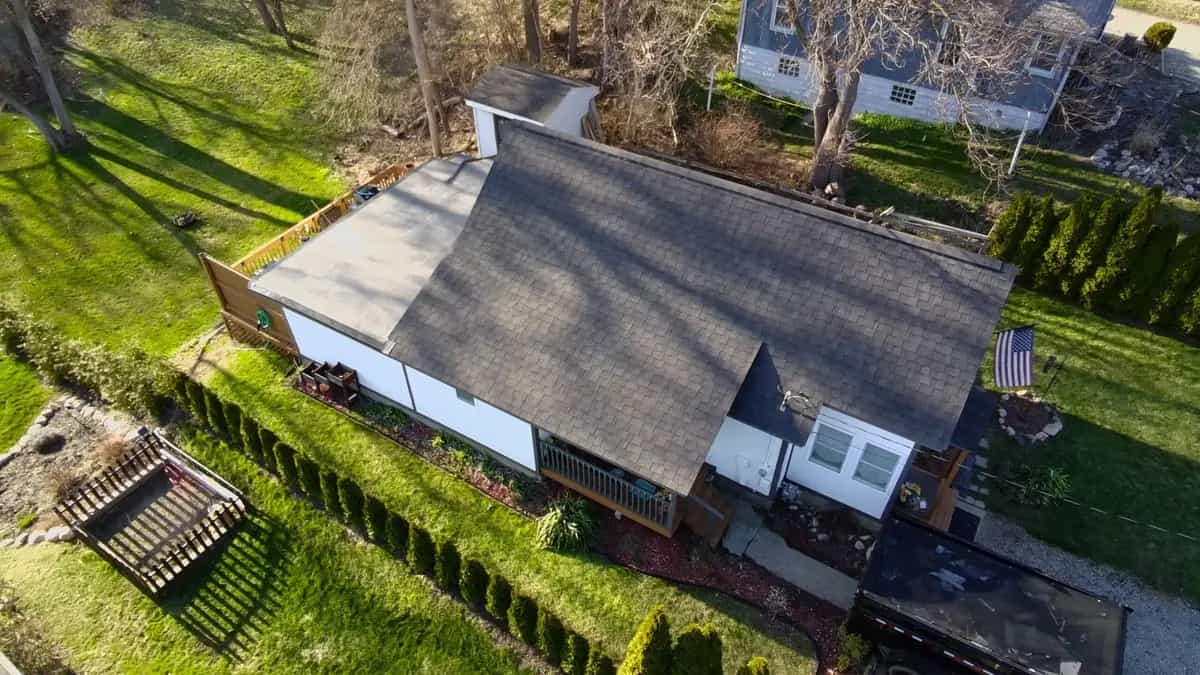
Do this before you touch anything or start cleanup. Walk the perimeter of the house and photograph the roof from the ground at each side, along with any shingles, granules, or flashing pieces that landed in the yard. Inside, check ceilings and the attic for water stains or fresh drips. Note the date and, if you know it, the storm event that caused the damage. Stay off the roof yourself. A damaged roof deck can fail underfoot, and a fall is a far worse outcome than a delayed claim.
Should You Tarp the Roof Before the Adjuster Arrives?
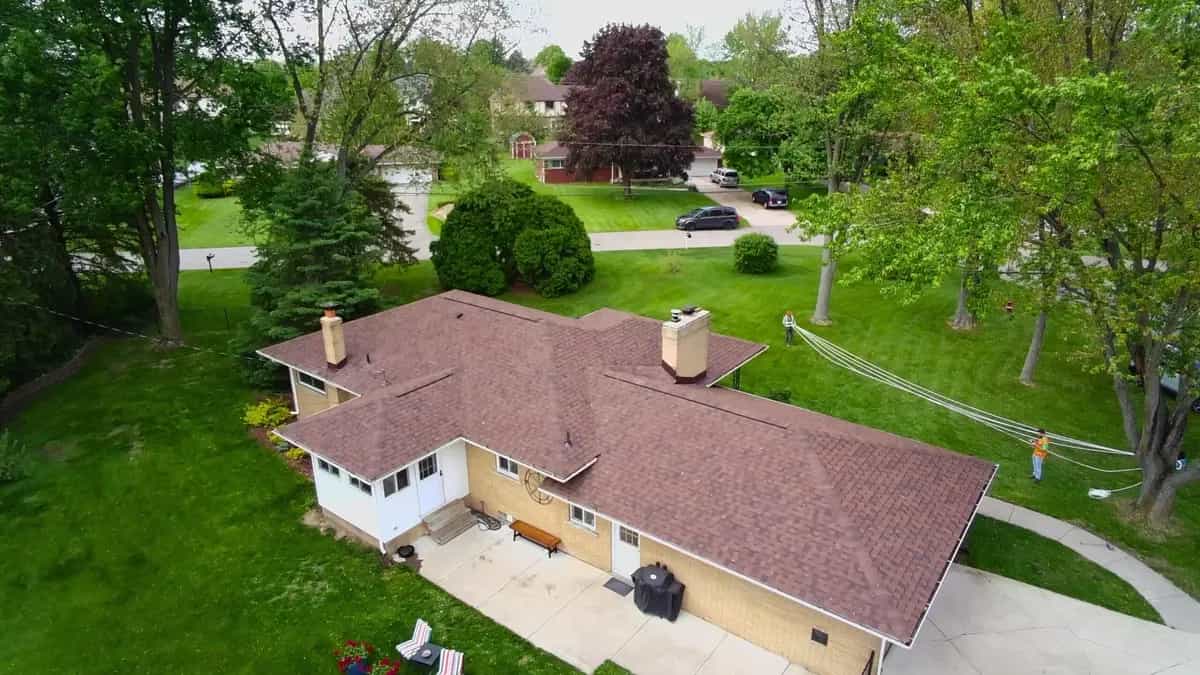
Yes, if there is an active opening or leak. Most Michigan homeowners policies expect you to take reasonable steps to prevent further damage once a loss occurs, and failing to do so can jeopardize coverage for the water damage that follows. Photograph the damage first, then tarp it, and keep any receipts. If the opening is large or the roof is unsafe to access yourself, our emergency tarping crews handle it and document the before and after so the tarp itself is part of your claim file.
How Do You Actually Open the Claim With Your Insurer?
Call the number on your policy or declarations page, or use your insurer's app or online portal if it has one. Report what happened, when you noticed it, and what you have observed so far. Ask for your claim number in writing (email or text confirmation, not just a verbal read-back) and ask what documentation they want to see. Keep a simple log: date, who you spoke with, and what was said, for every call. File promptly. Michigan policies require notice within a reasonable time, and insurers and courts read "reasonable" as days or weeks, not months. Waiting also weakens the claim itself, since fresh damage is easier to tie to a documented storm date.
What Is a Proof of Loss, and When Is It Due?
A proof of loss is the formal, often sworn, statement of what was damaged and what it will cost to fix, usually built from your contractor's estimate, photos, and the adjuster's own report. Under Michigan's insurance code (MCL 500.2006), your insurer has to tell you in writing, within 30 days of receiving your claim, exactly what it needs from you to consider the proof of loss complete, unless the claim is already settled inside those 30 days. Do not guess at this requirement or wait for it to be volunteered. If 30 days pass and nobody has told you what is missing, call and ask directly.
What Happens When the Adjuster Inspects Your Roof?
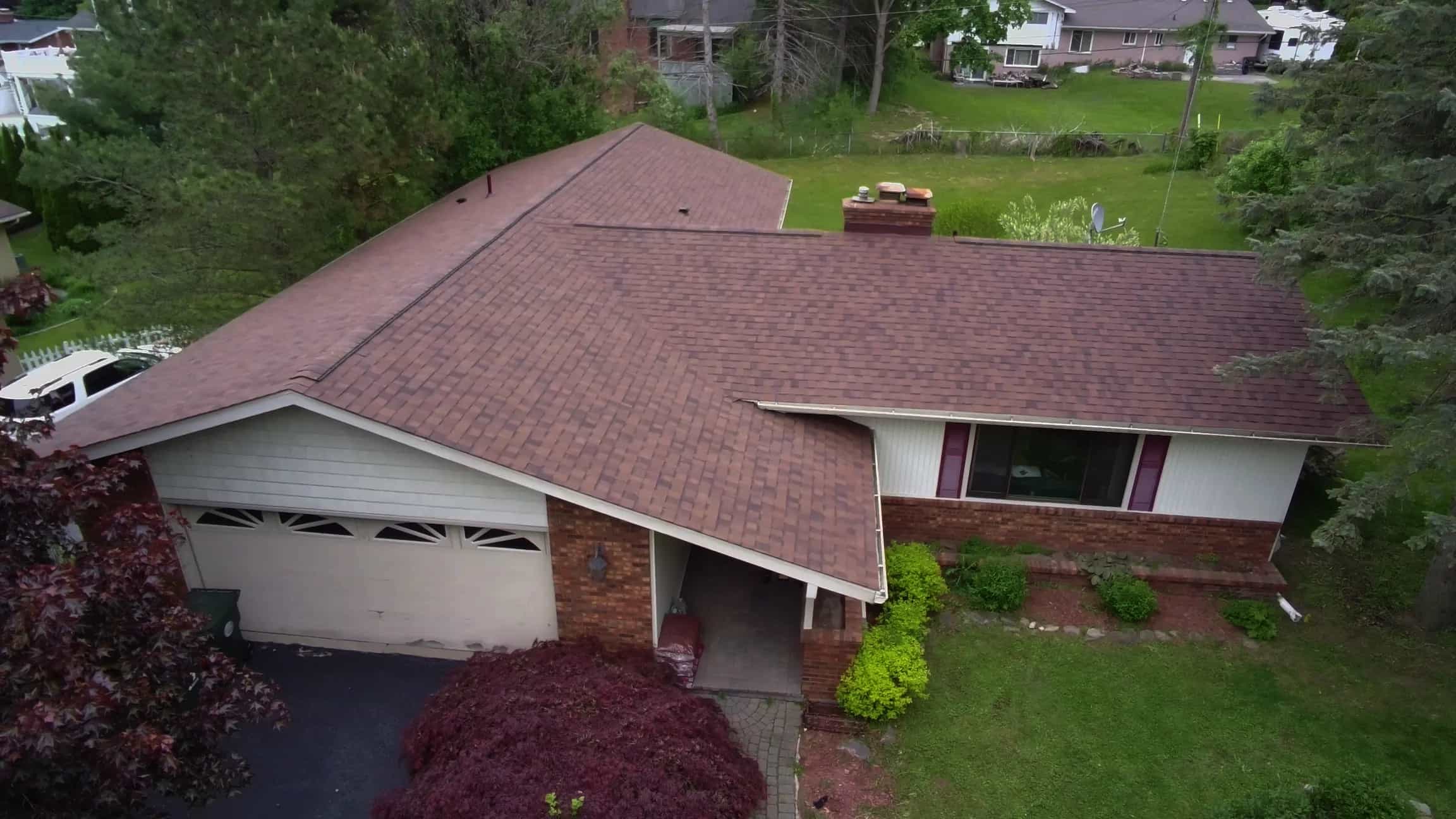
The adjuster walks the roof (or reviews drone and ground photos on a virtual claim) looking for evidence the damage is sudden and storm-caused rather than gradual wear. We meet adjusters on roofs across Oxford, Rochester Hills, and the rest of Southeast Michigan regularly, and having your own contractor present matters. An adjuster is working for the insurer's interpretation of the policy. Your contractor's job is to make sure nothing gets missed, especially damage that is easy to see from a ladder but easy to miss from the ground.
What if Tear-Off Reveals More Damage Than the Adjuster Saw?
This happens on a real share of the claims we work. Once the old shingles come off, rotted decking, hidden flashing failures, or code-required upgrades the adjuster could not see from the surface often show up. The correct move is a supplement: your contractor documents the newly discovered damage with photos and an itemized cost, and submits it to the insurer as an addition to the original claim, rather than eating the cost or billing you directly for something the storm actually caused. On the roofs we tear off in Oxford, Berkley, and Rochester Hills, decking supplements are common enough that we photograph every sheet of decking, sound and damaged, with the same drone and on-roof documentation we put in your job portal, so there is a clear record for the adjuster instead of a dispute about what was really underneath. If the supplement pushes the job from a repair into a full tear-off, remember that is a separate approval from the permit your municipality requires before work starts; our roof permit guide breaks down the fee and process city by city.
How Long Does an Insurer Have to Pay a Michigan Roof Claim?
Once your insurer has a satisfactory proof of loss, Michigan law (MCL 500.2006) gives it 60 days to pay the undisputed amount. Miss that window, and the insurer owes 12% simple annual interest on the unpaid benefit, calculated from the 60 day mark, in addition to the claim itself. If your policy pays replacement cost value, expect the payment in two pieces: an initial check, often calculated at actual cash value, followed by the withheld depreciation once you complete the work and submit the final invoice. We cover the ACV versus RCV mechanics in detail in our guide to whether insurance covers roof replacement in Michigan, including a Michigan rule that blocks insurers from depreciating your labor cost on newer policies.
What if the Insurer Denies the Claim or Offers Too Little?
You have real options short of a lawsuit. First, ask for the denial or lowball explanation in writing and request a re-inspection if you believe the adjuster missed something, ideally with your contractor present to point out exactly what was overlooked. Second, most Michigan property policies include an appraisal clause under MCL 500.2833: either side can make a written demand that the amount of the loss be set by appraisal, each side then has 20 days to name its own independent appraiser, the two appraisers select a neutral umpire, and a written agreement signed by any two of the three sets the final number. Third, you can file a complaint with the Michigan Department of Insurance and Financial Services at michigan.gov/difs or 877-999-6442. And if it comes to a lawsuit, Michigan law generally requires you to sue within one year of the loss, or within whatever longer period your own policy specifies, so do not let a disputed claim sit indefinitely while you wait for a better offer.
Should You Use the Insurer's Recommended Contractor?
You are not required to, and we would not recommend it without checking around first. You are entitled to hire whichever licensed contractor you trust. Verify any contractor's Michigan residential builder license is active on the state's LARA licensing lookup before signing anything, and be especially cautious of any roofer who cold-knocked your door right after a storm and offers to "cover your deductible." Michigan regulators flag that specific offer as a warning sign of contractor fraud, since your deductible is your legal share of the loss and a legitimate contractor cannot make it disappear without cutting corners or inflating the claim to cover it.
What Documents Should You Keep During a Roof Claim?
- Your claim number and every adjuster's name and direct contact information.
- Dated photos from before any repairs, plus photos of any temporary tarping.
- A written contractor inspection report, separate from the insurer's own adjuster report.
- Copies of every estimate, including any supplement submitted after tear-off.
- The proof of loss and the insurer's written confirmation of what it required.
- All receipts for emergency measures like tarping, and the final invoice once the roof is complete.
What Should You Do If Your Roof Was Just Damaged?
Photograph everything, arrange tarping if there is an active opening, and get an independent inspection before you decide whether a claim is even worth filing. A claim close to your deductible often is not. If the damage came from ice buildup rather than wind or hail, the claim conversation is a little different; our guide to ice dams in Southeast Michigan covers that case specifically. For a fuller picture of what a full replacement runs once a claim is settled, our Michigan roof replacement cost guide uses real project invoices instead of national averages.
We inspect storm damage for free across Southeast Michigan from our offices in Oxford, Ferndale, and Rochester Hills, and we meet your adjuster on the roof so you are never out there alone. Every job we complete is published with its real price in our job gallery, and we never ask for a deposit, whether the job is paid by insurance, financing, or cash.
Frequently Asked Questions
What is a proof of loss, and do I have to sign one myself?
A proof of loss is the documentation that establishes what was damaged and what it costs to fix, usually built from your contractor's estimate, your own photos, and the adjuster's report. Some insurers require your signature on a formal proof of loss form, others accept the adjuster's own paperwork as sufficient. Either way, Michigan law requires your insurer to tell you in writing within 30 days of your claim exactly what it needs from you.
How does the appraisal process work if my insurer and I disagree on the payout?
Under Michigan law (MCL 500.2833), either side can make a written demand for appraisal. Each side then names its own independent appraiser within 20 days, the two appraisers choose a neutral umpire, and a written decision signed by any two of the three sets the final amount of the loss. It is a faster and cheaper alternative to a lawsuit and is built into most standard Michigan property policies.
Can I hire my own roofing contractor instead of the insurer's recommended company?
Yes. Michigan homeowners are free to choose any licensed contractor for the work, regardless of who the insurer suggests. Verify the license is active on the state's LARA lookup, and be wary of any contractor who offers to cover or waive your deductible, which Michigan regulators treat as a red flag for fraud rather than a favor.
What happens if tear-off reveals damage the adjuster never saw?
Your contractor documents the newly found damage, such as rotted decking or hidden flashing failure, with photos and an itemized cost, and submits it to the insurer as a supplement to the original claim. This is a routine part of storm claims, not a sign anything went wrong, and it is one reason photo documentation during tear-off matters as much as the initial adjuster visit.
What if my Michigan insurer denies my roof claim or takes too long to pay?
Ask for the denial in writing and request a re-inspection if damage was missed. If you still disagree on the amount, you can invoke the policy's appraisal clause under MCL 500.2833. You can also file a complaint with the Michigan Department of Insurance and Financial Services at michigan.gov/difs. Once your insurer has a complete proof of loss, it has 60 days to pay before owing 12% annual interest under MCL 500.2006.