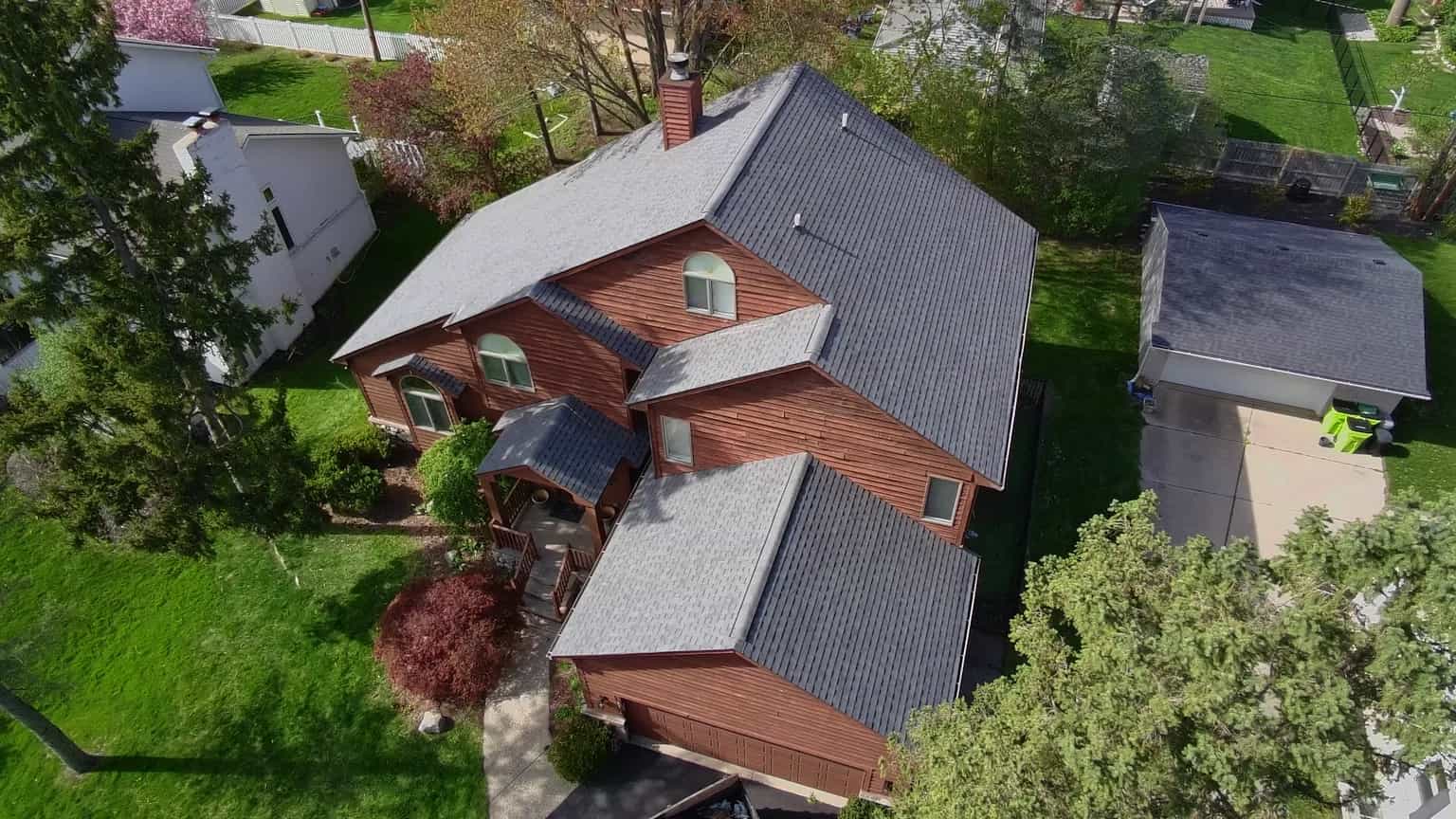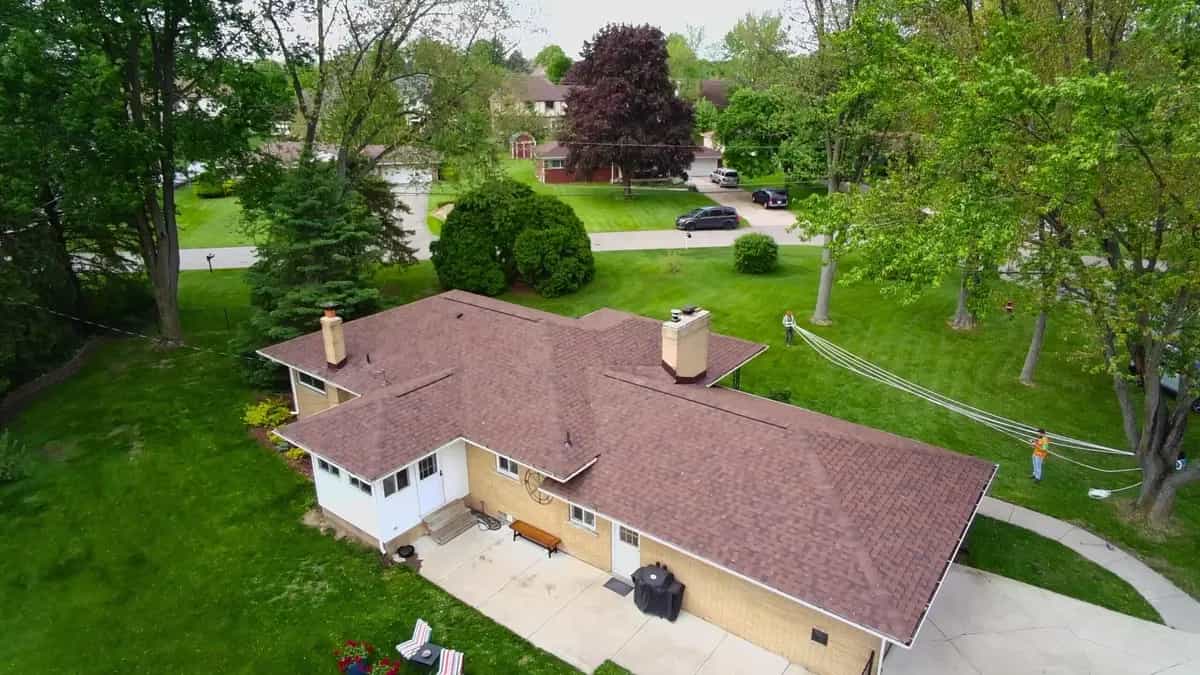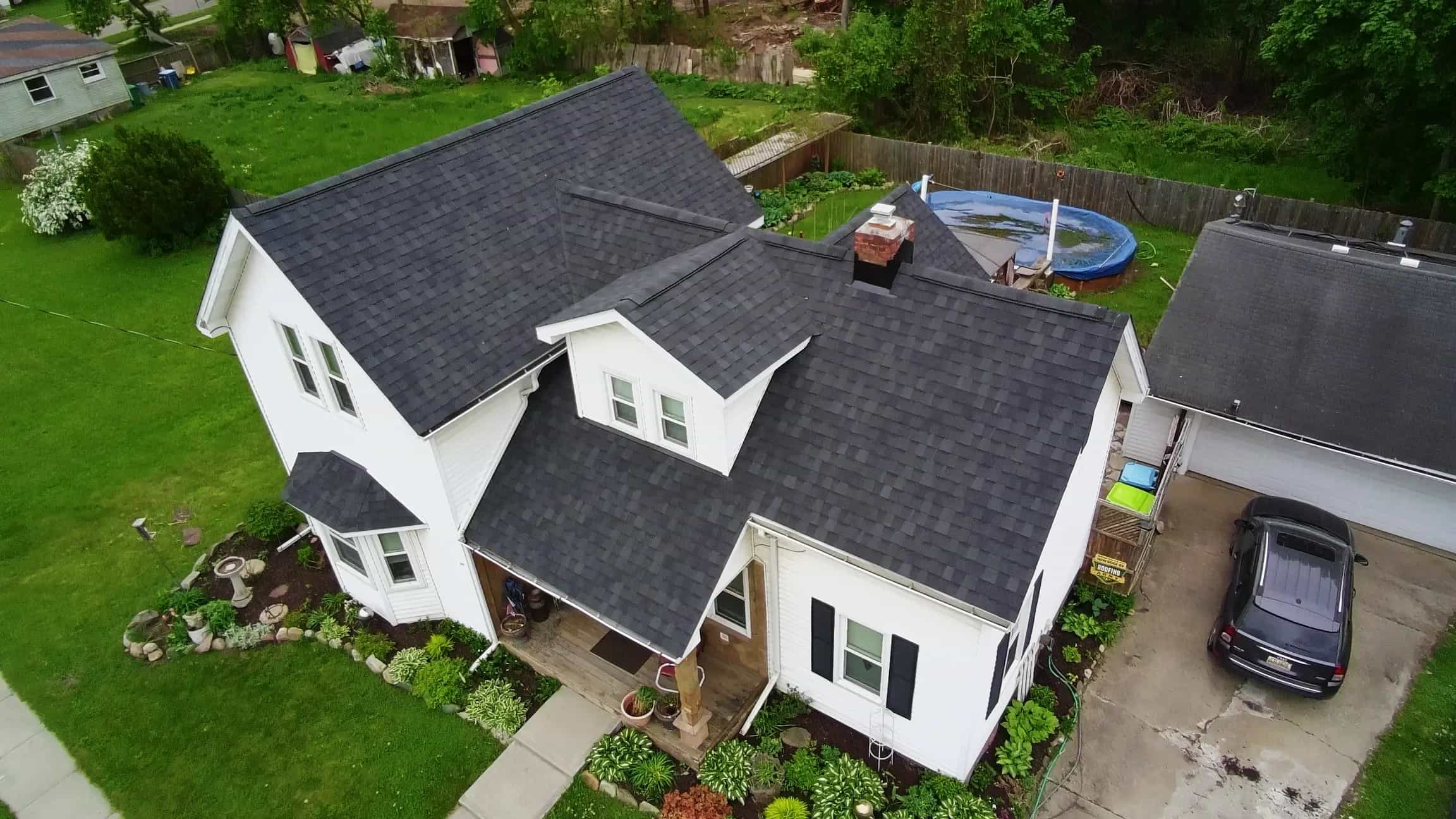
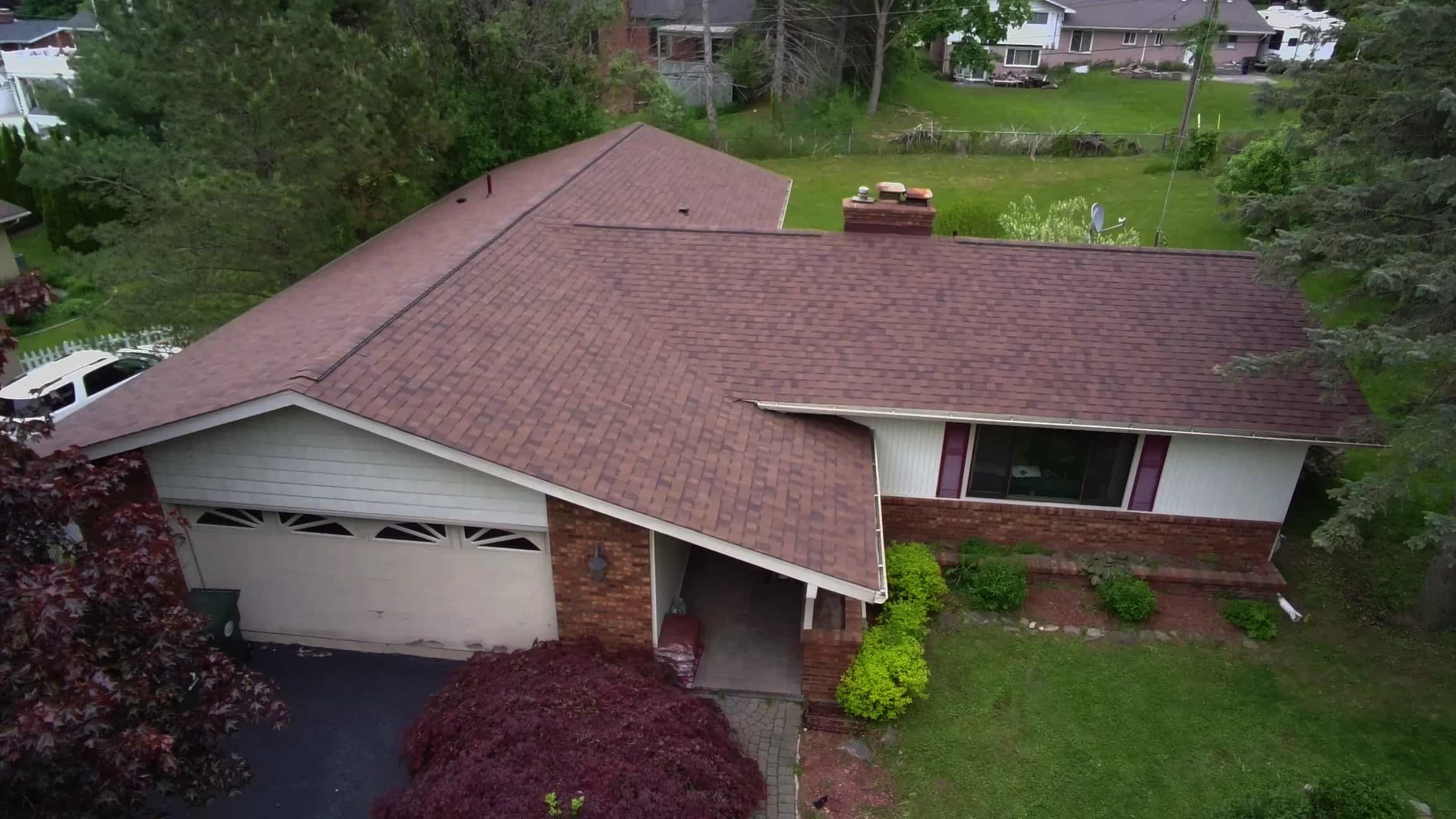
Yes, homeowners insurance in Michigan typically covers roof replacement when the damage comes from a sudden, accidental event such as wind, hail, or a fallen tree. It does not cover a roof that simply wore out with age. How much you actually collect depends on your deductible and on whether your policy pays actual cash value (ACV) or replacement cost value (RCV). I am Aaron Scott, a licensed Michigan residential builder and the owner of Roofing Army, and our crews meet insurance adjusters on Southeast Michigan roofs every storm season. This guide covers what policies really pay for, what adjusters look for, and the Michigan rules most homeowners have never heard of.
When Does Homeowners Insurance Cover a Roof in Michigan?
Standard homeowners policies cover roof damage caused by named or open perils: sudden events you could not have prevented with normal maintenance. They exclude gradual deterioration, because insurance is designed to cover accidents, not the cost of a roof reaching the end of its life.
| Usually Covered | Usually Not Covered |
|---|---|
| Wind that lifts, creases, or tears off shingles | Normal wear, aging, and granule loss |
| Hail impact damage | Leaks from lack of maintenance |
| Fallen trees, limbs, and wind-blown debris | Damage from improper past repairs |
| Weight of snow and ice | Flood damage (separate flood policy) |
| Fire, lightning, and vandalism | Cosmetic issues on an otherwise working roof |
The gray area is where most Michigan claims are won or lost: an older roof that took real storm damage. The insurer owes for the storm damage even if the roof was not new, but the condition of the roof affects how the claim is valued, which brings us to the most important terms in your policy.
What Is the Difference Between ACV and RCV Coverage?
These two acronyms decide whether an approved claim actually pays for your roof or only part of it.
- Replacement cost value (RCV): the policy pays what it costs to replace the damaged roof with materials of similar quality at today's prices, minus your deductible. Most RCV policies pay in two steps: an initial ACV check, then the held-back depreciation (called recoverable depreciation) after the work is completed and invoiced.
- Actual cash value (ACV): the policy pays replacement cost minus depreciation for the roof's age and condition, and that depreciation is never recovered. On a 15 year old shingle roof, depreciation can consume half the claim or more, leaving you to pay the difference out of pocket.
Check your declarations page for a roof schedule or an ACV roof endorsement before storm season, not after. Insurers have been steadily moving older roofs onto ACV-only terms, and homeowners often discover this only when the settlement check is far smaller than the quote in their hand. If you are staring at that gap right now, our guide on what a roof replacement really costs in Michigan shows real project prices, with city-specific breakdowns for Oxford and Shelby Township, and financing can bridge the difference.
Will Insurance Cover a 15 or 20 Year Old Roof?
Often yes, but on worse terms. Age by itself does not void coverage for storm damage. What changes is how insurers treat the roof: many companies require an inspection before writing or renewing a policy on a roof around 20 years old, and many pay only actual cash value on older roofs, which means heavy depreciation comes out of your settlement.
Our honest advice from the roofs we inspect: if your roof is 20 or more years old and a storm damaged it, file the claim, because storm damage is still a covered peril. But do not expect an insurer to buy you a brand new roof at full price for a roof that was already near the end of its life. Sometimes the smarter move is a straightforward repair or a planned replacement at a real cash price. We walk through that decision in our guide on whether to repair or replace your roof, and we will tell you directly when a claim is not worth filing.
What Do Insurance Adjusters Look For on Your Roof?
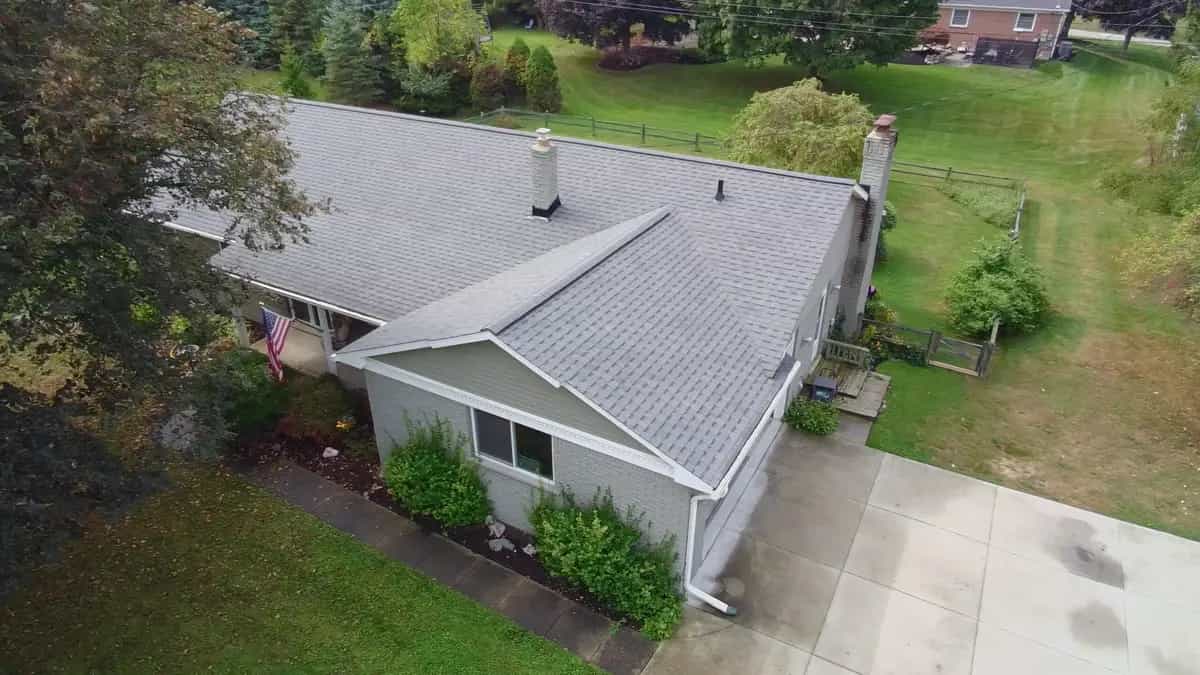
When we meet adjusters on roofs in Oxford, Rochester Hills, and across Southeast Michigan, they are checking whether the damage is sudden and storm-caused or gradual and maintenance-related. Specifically, they document:
- Wind damage: lifted, creased, or missing shingles, especially along edges and ridge lines, and broken sealant bonds.
- Hail damage: soft bruises in the shingle mat, exposed fiberglass, and dents in gutters, vents, and flashing that corroborate the hail hit.
- Impact damage: punctures or crushed decking from trees and debris.
- Storm-related cracks in ridge caps and vents, and active leaks from wind-driven rain.
- Counter-evidence: blistering, granule wear, curling, and failed past repairs that point to age instead of a storm.
Adjusters also date the damage against known storm events, which is one reason to file promptly instead of sitting on damage for a year.
How Much Does Insurance Actually Pay?
Even an approved claim never pays the full invoice. Here is the basic math on a $16,000 approved replacement:
- Your deductible comes off first. With a $2,000 deductible, the most you can collect is $14,000. Note that many Michigan policies now carry a separate wind or hail deductible calculated as a percentage of your dwelling coverage, which can be far larger than the flat deductible on the rest of the policy.
- RCV policy: you receive an initial check minus depreciation, then the recoverable depreciation after the roof is built. Net to you: $14,000 of a $16,000 roof.
- ACV policy: depreciation is subtracted and never returned. On an older roof that can mean collecting $7,000 to $9,000 of that same $16,000 project.
- Supplements: if the tear-off reveals rotted decking or code-required items the adjuster could not see, the contractor documents them and submits a supplement rather than eating the cost or billing you blind.
And if the covered damage is small, a claim may not make sense at all. When a repair quote is close to or below your deductible, filing gains you nothing and puts a claim on your record.
How Does Our Storm Damage Claims Process Work?
This is the process we run on real claims across Southeast Michigan, and it is deliberately simple for the homeowner:
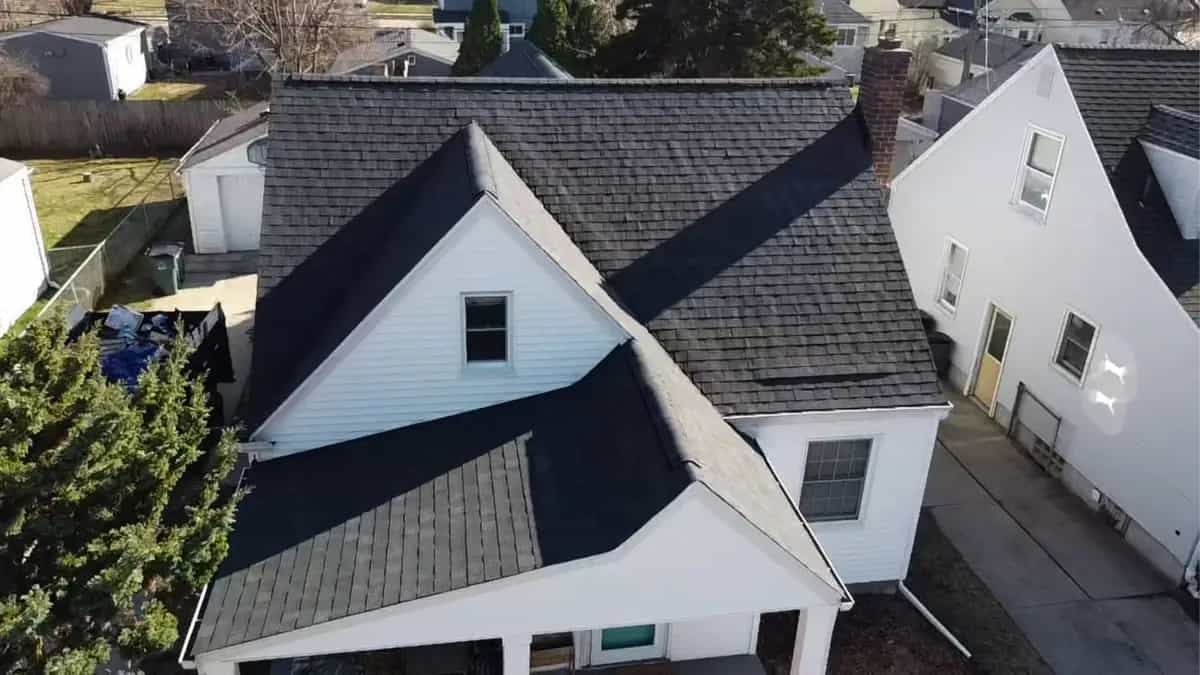
- 1. Call us first. We get you a same-day or next-day inspection using drone photos plus an on-roof evaluation, so you see exactly what we see before anyone calls the insurance company. If the damage does not justify a claim, we say so.
- 2. We meet your adjuster on site. You should never be alone on your driveway debating shingle damage with an adjuster. We walk the roof with them so nothing gets overlooked.
- 3. We handle the documentation. Photos, measurements, and supplements for anything discovered during tear-off. Every step is also documented in our job portal with drone images, so you and your insurer have the same record.
- 4. Once the claim is approved, we do the work. No deposits at any point. You pay when the job is done and you are satisfied.
For the full mechanics of proof of loss deadlines, the appraisal clause, and what to do if a claim stalls, see our step-by-step guide on how to file a roof insurance claim in Michigan.
If your roof is open to the sky right now, emergency tarping comes first. Insurers expect you to take reasonable steps to prevent further damage, and many policies cover tarping as part of the storm claim. We photograph the damage and the completed tarp installation so the tarping itself is documented for your adjuster. The full process lives on our storm damage page.
What Michigan Rules Protect You During a Roof Claim?
A few Michigan-specific protections are worth knowing, because most national articles never mention them:
- Labor cannot be quietly depreciated. Under DIFS Bulletin 2024-26-INS, Michigan insurers may not depreciate labor costs when calculating an actual cash value payment unless you specifically agreed to it through a standalone endorsement in exchange for a lower premium, for policies issued or renewed on or after January 1, 2025. Depreciation is supposed to apply to aging materials, not to the cost of the crew installing them. Check your ACV settlement math.
- Late payments earn 12% interest. Under Michigan law (MCL 500.2006), if your insurer fails to pay a claim within 60 days after receiving satisfactory proof of loss, the benefits owed to you bear simple interest at 12% per year.
- DIFS takes consumer complaints. The Michigan Department of Insurance and Financial Services answers consumer questions at 877-999-6442, Monday through Friday, 8 a.m. to 5 p.m., and accepts complaints at michigan.gov/difs if a claim stalls or a settlement looks wrong.
- Verify your contractor with LARA. Anyone replacing a roof in Michigan needs a state residential builder license, searchable on Michigan's LARA site. After big storms, out-of-state chasers flood neighborhoods. Be especially wary of anyone offering to "cover your deductible," a practice state regulators warn about as a fraud red flag.
What Should You Do Right Now?
If a storm just hit your roof: photograph everything from the ground and inside the house, keep receipts for any emergency measures, stay off the roof, and get a professional inspection before you call your insurance company, so you know whether a claim is even justified. Winter damage has its own wrinkles, which we cover in our guide to ice dams in Southeast Michigan.
We inspect storm damage for free across Southeast Michigan from our offices in Oxford, Ferndale, and Rochester Hills, including Shelby Township and the surrounding communities. Every completed project is published with its real price in our job gallery, and every claim we help with follows the same rule as the rest of our work: no deposits, and you only pay when the job is done right.
Frequently Asked Questions
Will homeowners insurance cover a 20 year old roof in Michigan?
Storm damage to a 20 year old roof is still a covered peril, so yes, you can file a claim. But many insurers require inspections on roofs around 20 years old and pay only actual cash value on older roofs, meaning depreciation is deducted and never reimbursed. Expect a smaller settlement, and compare it honestly against a planned replacement at a cash price.
Does homeowners insurance cover roof leaks from rain or ice dams?
It depends on the cause. A leak that starts because wind or hail suddenly damaged the roof is generally covered, and interior water damage from a covered event usually is too. A leak that developed gradually through worn shingles, failed maintenance, or chronic ice damming is generally not. The adjuster's job is to determine which one your leak is.
Can a roofing contractor pay or waive my insurance deductible?
Treat any contractor offering to cover, absorb, or hide your deductible as a serious red flag. Michigan regulators warn about the practice as a sign of contractor fraud, and it typically works by inflating the claim or cutting corners on your roof. Your deductible is your share of the loss under the policy you signed. A legitimate contractor will never make it disappear.
How long do I have to file a roof insurance claim in Michigan?
File as soon as you discover the damage, ideally within days. Policies require prompt notice, and some set specific windows for storm claims, so check your own policy language. Waiting also weakens the claim itself, because fresh damage is easier to tie to a documented storm date, while months-old damage invites the argument that neglect made it worse.
Does insurance cover emergency roof tarping?
Usually, yes. Most homeowners policies treat emergency tarping as a reasonable step to prevent further damage and cover the cost as part of the storm claim. In fact, failing to protect the home after damage can jeopardize coverage for the water damage that follows. Keep your receipts, and make sure the damage and the tarp installation are both photographed for your adjuster.