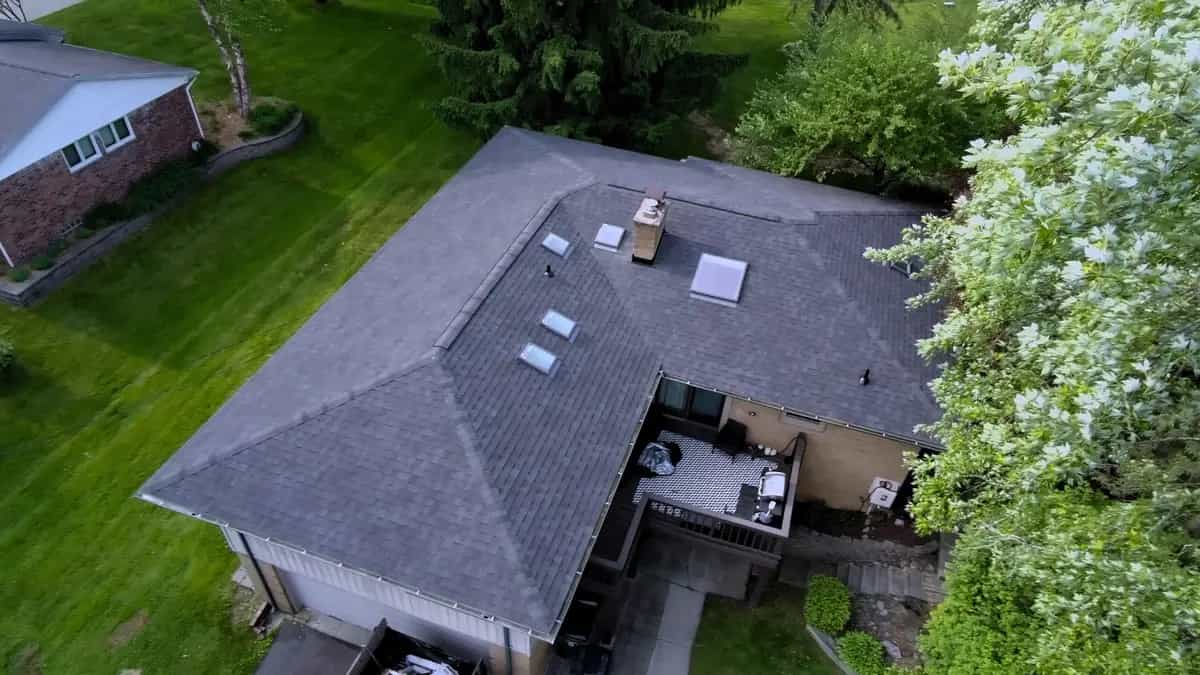
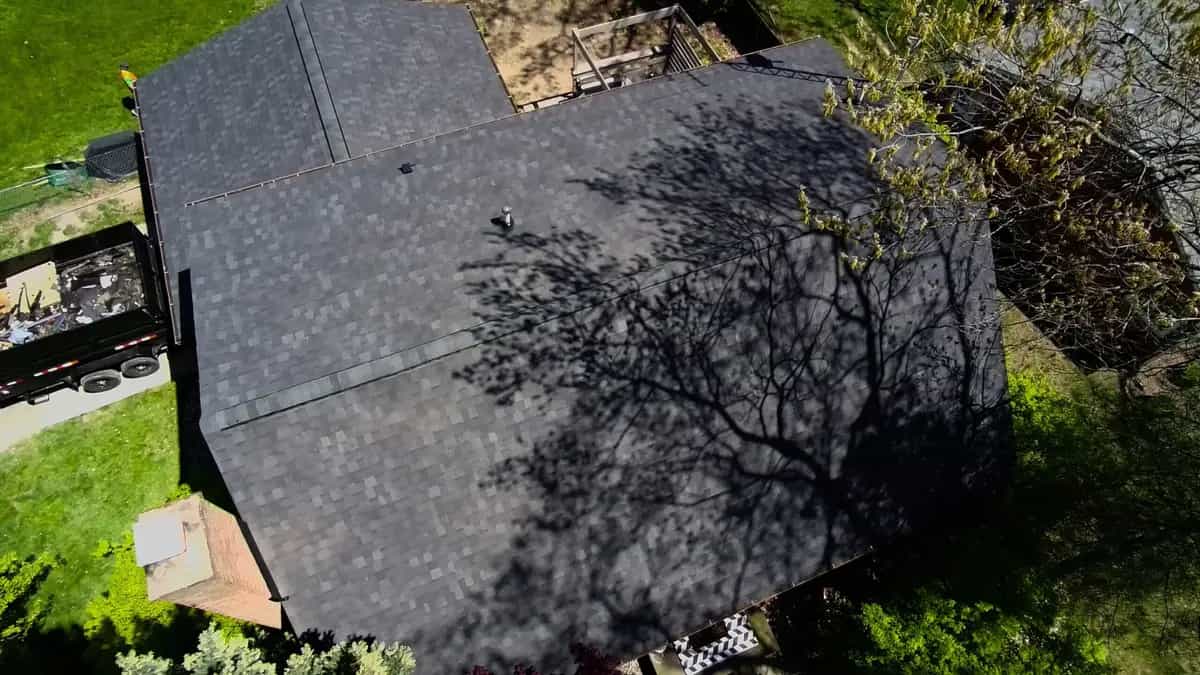
A roof insurance supplement is a request to add cost to an approved claim for items the adjuster's original estimate missed or could not see: code-required materials like ice and water barrier and drip edge, rotted decking found during tear-off, steep or high-roof labor charges, or measurement errors. Your contractor documents the item with photos and an itemized price, and the insurer revises the estimate. I'm Aaron Scott, a licensed Michigan residential builder and owner of Roofing Army, and supplements are a routine part of the storm claims our office handles across Southeast Michigan.
What Is a Roof Insurance Supplement?
When an adjuster inspects a storm-damaged roof, they write an estimate based on what they can see and measure that day. The insurer's payment is based on that estimate. A supplement is the formal process for correcting it after the fact. It is not a new claim and it is not a dispute about whether the damage is covered. It is an itemized addition to a claim the insurer has already accepted, backed by evidence that the additional work is necessary to restore the roof properly.
Supplements are normal. Adjusters work from the ground, a ladder, or drone imagery on a schedule of many inspections per day, and estimating software fills in default assumptions. The contractor who tears the roof off sees things nobody could have seen from above. The supplement is how that information gets back to the insurer.
Why Do Adjuster Estimates Miss Items?
On the claims we work, the gaps fall into a few predictable categories:
- Hidden conditions. Rotted or delaminated decking, a second layer of shingles, or failed flashing under the old roof cannot be confirmed until tear-off.
- Code-required items left off. Ice and water barrier and drip edge are the most common omissions on Michigan estimates, even though the building code requires both on a shingle roof.
- Labor conditions not applied. Steep charges for pitch, high charges for roofs above two stories, and access charges for tight lots change the labor cost but are easy to skip.
- Measurement and waste errors. A slope omitted from the sketch, or a waste factor too low for a hip roof full of valleys, means the contractor cannot buy enough material for the approved price.
- Missing accessories. Starter strip, ridge cap, pipe boots, and vent replacements are sometimes assumed to be included in the shingle line when they are separate materials.
Which Code Upgrades Are Most Often Supplemented in Michigan?
Insurance restores the roof to its pre-loss condition. Building code can require more than the old roof had, and the difference is the classic supplement. Two items come up on nearly every Southeast Michigan claim:
| Item | What the Michigan Residential Code requires | Why estimates miss it |
|---|---|---|
| Ice barrier (ice and water shield) | Self-adhering membrane from the eave edge to at least 24 inches inside the exterior wall line (section R905.1.2) | Older roofs often have none, so the adjuster restores what was there |
| Drip edge | Metal drip edge at eaves and rakes, extending at least 1/4 inch below the sheathing and 2 inches onto the deck (section R905.2.8.5) | Many pre-2000s roofs were built without it |
| Decking replacement | Shingles must be fastened to solid sheathing; rotted or unsound boards are replaced | Cannot be seen until tear-off |
| Ventilation | Attic ventilation requirements apply when the roof is replaced and vents are disturbed | Adjusters restore existing vents, not corrected ventilation |
Whether the insurer pays for code upgrades depends on your policy's ordinance or law coverage. Standard homeowners forms commonly include a limited amount, often 10 percent of the dwelling coverage limit, for the increased cost of complying with current codes, and higher limits are available by endorsement. Check your declarations page. If ordinance or law coverage is present, code-required items belong on the claim; if it is absent, those items may be your cost, and you should know that before tear-off, not after.
Our standard versus the code minimum: the code requires ice barrier to reach 24 inches inside the wall line. We install 6 feet of ice and water shield at every eave, plus full coverage on slopes under 4/12, because Michigan ice dams do not respect the minimum. The insurer generally owes the code-required amount; the difference between code and our standard is built into our quote, and we tell you that up front.

How Does the Contractor Submit a Supplement?
A good supplement gives the desk adjuster everything they need to approve it without a second site visit. Ours follow the same sequence every time:
- 1. Photograph the condition. Every sheet of decking, sound and damaged, is photographed during tear-off with the drone and on-roof documentation that goes into your job portal. Code items get a photo of the eave or rake showing what was there before.
- 2. Measure and quantify. Square feet of decking replaced, linear feet of drip edge, squares of ice barrier, and the pitch reading that justifies a steep charge.
- 3. Itemize in the insurer's format. Line items with quantities, units, and pricing that match the structure of the original estimate so the adjuster can compare directly.
- 4. Cite the requirement. The Michigan Residential Code section for each code item, and the policy's ordinance or law provision where relevant.
- 5. Submit and follow up. The package goes to the claim's assigned adjuster with the claim number, and we track it until the revised estimate arrives.
Timing matters. Supplements for hidden decking are sent as soon as the tear-off exposes the problem, usually the same day, so the insurer has the chance to respond while the evidence is still on the roof. Code and measurement supplements can be submitted before work starts, once we have compared the adjuster's estimate to our own measurements.
What Does a Supplement Look Like on a Real Roof?
Consider a roof the size of our replacement at 8 South Glaspie Street in Oxford, 2,480 square feet of roof at a published price of $15,689.90. If an adjuster's estimate for a roof like that arrived with no ice barrier line and no drip edge line, the supplement would add roughly 25 squares of ice barrier at the eaves and valleys plus every linear foot of eave and rake in drip edge, each with a code citation and a photo of the bare eave. If tear-off then revealed a few sheets of soft decking, a second supplement would add the sheathing with photos of each sheet. None of that changes the covered event; it corrects the scope of the repair.
What Is Your Role as the Homeowner?
Mostly to stay informed and keep the paperwork moving. Confirm with your adjuster that supplements go to the same claim number. Forward any revised estimate to your contractor promptly. If the insurer schedules a re-inspection, make sure your contractor is there; we meet adjusters on site for exactly this reason. And read the revised estimate the same way you read the first one, which our guide to reading a roof insurance estimate walks through line by line.
What a Supplement Is Not
A supplement is not a way to pad a claim, and a contractor who treats it that way puts your claim at risk. The Michigan Department of Insurance and Financial Services warns homeowners every storm season about contractors who pressure them into signing before the insurer has approved the work, or who offer to absorb the deductible, which amounts to misstating the claim. Every item in a supplement should be something the insurer would owe under the policy if the adjuster had seen it on day one. If a contractor cannot show you the photo and the code section behind a line item, do not let them submit it in your name. Our guide to what Michigan homeowners insurance covers on a roof lists the other red flags to watch for.
What Should You Do If Your Estimate Looks Short?
Get it in front of a licensed contractor before you sign a contract or cash a final check. Our storm damage inspections are free, we compare the adjuster's estimate to our own drone measurements, and we handle the supplement paperwork as part of the job. From there, the roof is installed like every roof replacement we do: a project manager on site every day, in-house crews, cap nails on the underlayment, and no deposit at any point. If the roof is open right now, call for emergency tarping first.
We run this process for homeowners in Oxford, Rochester Hills, Troy, and across Southeast Michigan. If you have not opened the claim yet, our step-by-step Michigan claim guide comes first, and our job gallery shows the real, published price of every roof we have completed so you know what a complete scope should cost.
Frequently Asked Questions
Will a supplement delay my roof replacement?
Code and measurement supplements are usually submitted before work starts and resolved within the normal claim timeline. Decking supplements are submitted during tear-off and do not stop the job; the deck is replaced and the roof is finished while the insurer reviews the photos. Insurers expect supplements on tear-off findings and generally process them without a second inspection when the documentation is clear.
Does the insurer have to pay for code upgrades like ice and water shield?
It depends on your ordinance or law coverage. Standard homeowners forms commonly include a limited amount, often 10 percent of the dwelling limit, for the increased cost of meeting current codes, and more can be added by endorsement. With that coverage in place, code-required items such as ice barrier and drip edge belong on the claim. Without it, they may be your cost.
Can I submit a supplement myself?
You can, but insurers expect supplements in the same itemized format as the original estimate, with photos, measurements, and code citations. Most homeowners have their contractor prepare the package, since the contractor has the tear-off photos and the pricing. Either way, the request goes to your assigned adjuster under your existing claim number.
What if the insurer denies the supplement?
Ask for the reason in writing. Denials usually come down to missing evidence, a policy that lacks ordinance or law coverage, or a disagreement about whether the item was pre-existing. Better photos and a code citation resolve most of them. If the disagreement is about the amount of a covered loss, Michigan policies include an appraisal clause, and you can file a complaint with the Michigan Department of Insurance and Financial Services.
Is a supplement the same as a deductible being waived?
No. A supplement adds legitimately owed items to the claim, and your deductible still applies to the total. A contractor who offers to cover or hide your deductible is asking you to sign a claim that misstates what you paid, which the Michigan Department of Insurance and Financial Services flags as a warning sign of contractor fraud.