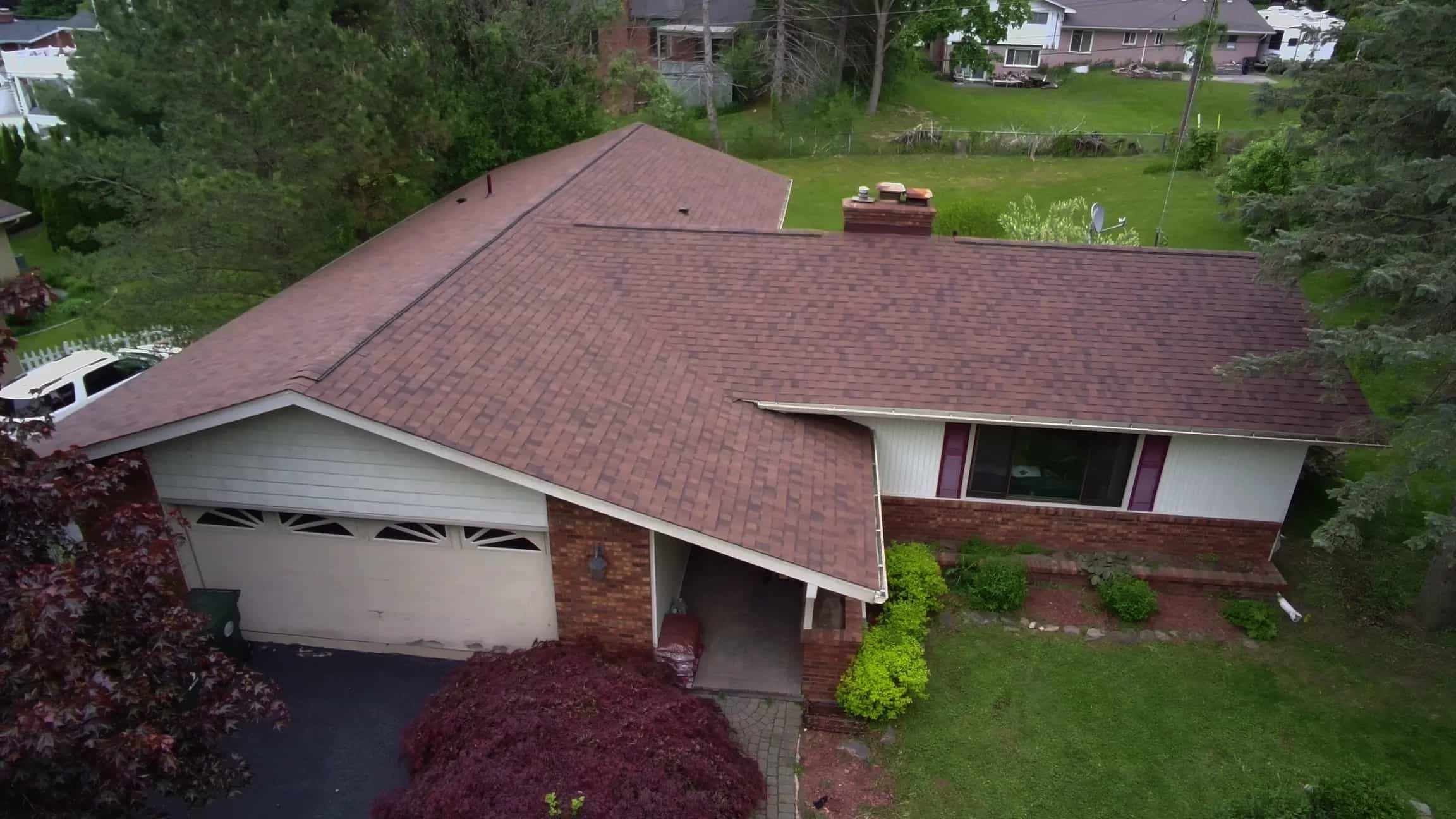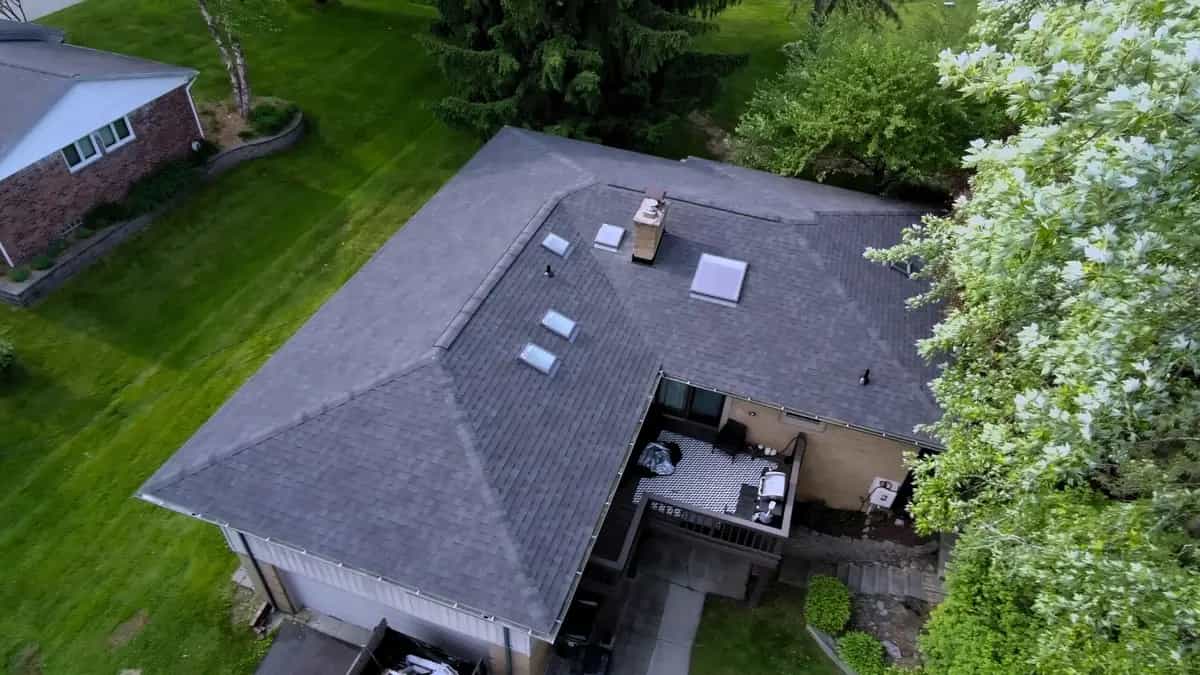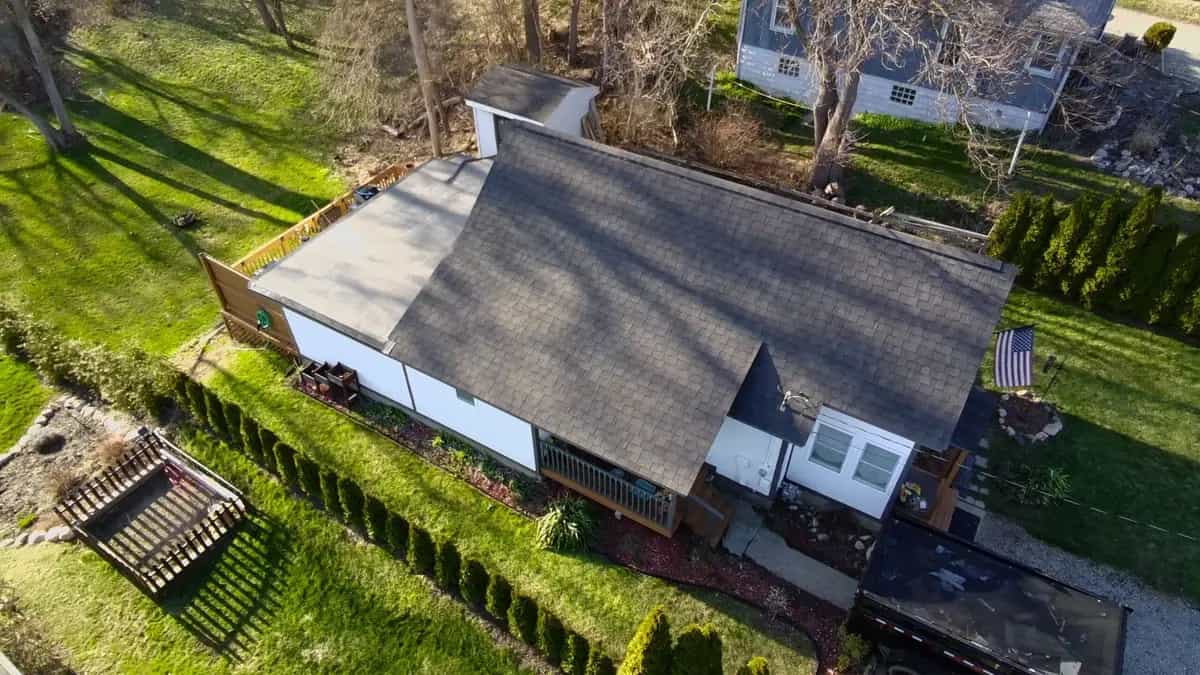
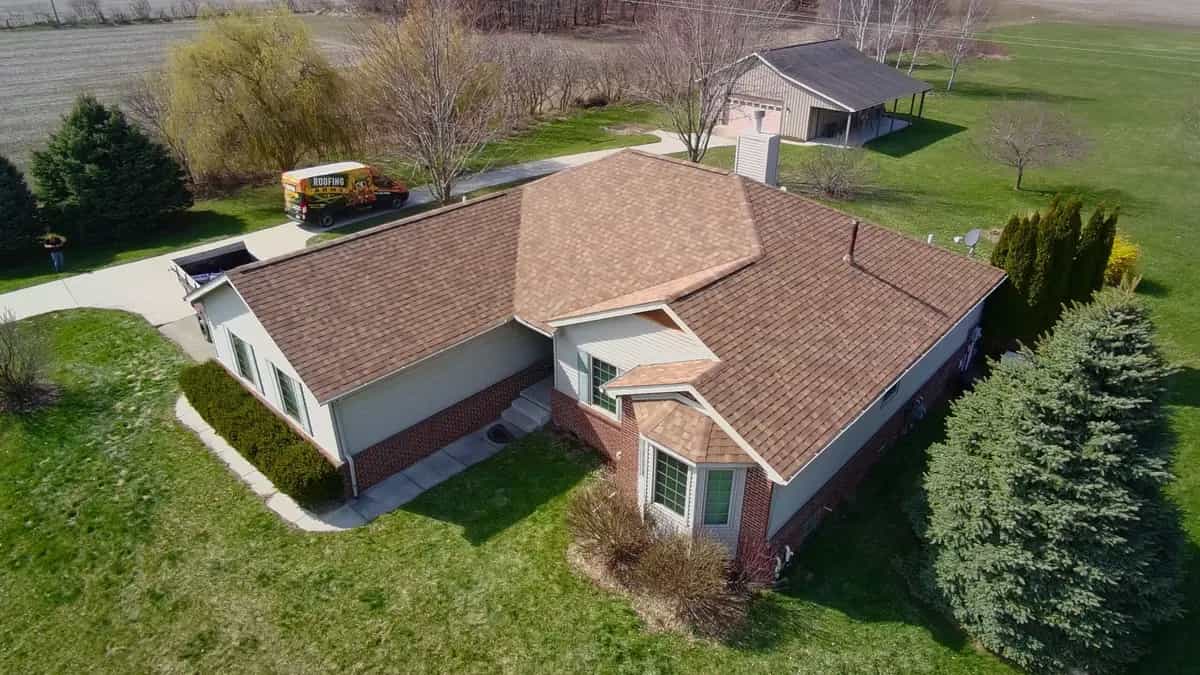
A partial, one-slope insurance approval means the adjuster found covered damage on only one section of your roof and is paying to repair or reshingle that slope. In Michigan, that is normal, not a shortchange: no state law here requires an insurer to replace an undamaged slope just so the new shingles match the old ones. I'm Aaron Scott, a licensed Michigan residential builder and owner of Roofing Army, and here is how we walk homeowners through this exact scenario.
Why Would an Insurer Only Approve One Slope of My Roof?
An adjuster's job is to price the damage they can confirm, not the whole roof by default. If wind lifted shingles on the slope facing the prevailing weather while the other three slopes show no cracked seals, no missing tabs, and no granule loss, the estimate covers the slope with the damage. On the calls we take across Southeast Michigan, 20 homeowners this year described exactly this: an insurer approving payment for one slope while the rest of the roof was left off the estimate entirely. Michigan's Department of Insurance and Financial Services states plainly that when hail or high wind lifts shingles, a homeowners policy generally covers the portion of the roof that was actually damaged, and the insurer is not automatically required to replace the entire roof. A one-slope approval is a normal outcome of a Michigan wind or hail claim, not a sign the adjuster shortchanged you.
That said, "only the damaged slope" is a starting position, not always the final word. If your contractor's own inspection finds damage the adjuster missed on another slope, that is a documentation gap to close, not a matching argument, and it belongs in a supplement or a request for re-inspection rather than a dispute about appearance.

Does Michigan Law Require My Shingles to Match?
Not as a statewide rule we have been able to find. A handful of states have written matching directly into law. Florida's statute, section 626.9744, requires insurers to make reasonable repairs or replace undamaged items in adjoining areas when the replacement material does not reasonably match, unless the policy says otherwise. Kentucky's insurance regulator has issued a similar advisory opinion: if a damaged slope's shingles cannot be reasonably matched, the whole roof gets replaced. Connecticut and Ohio have their own versions through statute and department regulation. Michigan is not one of them. We searched for a Michigan statute, administrative rule, or DIFS bulletin specifically addressing shingle matching and found none, consistent with older industry surveys of state matching rules that list Michigan as having no statute and no regulation on the subject.
That does not mean matching never matters in Michigan, only that it is not guaranteed by state law the way it is in Florida or Kentucky. It comes down to your policy's own language. Most replacement cost policies promise materials of "like kind and quality," not a pixel-perfect match, which is the same standard our guide to replacing just one slope of a roof walks through for homeowners paying out of pocket. Read your declarations page and the actual replacement cost provision, not just what a contractor or an adjuster tells you it says, and ask your agent directly whether your specific policy has any matching or "uniform appearance" language before you assume either way.
What If My Shingle Color or Line Has Been Discontinued?
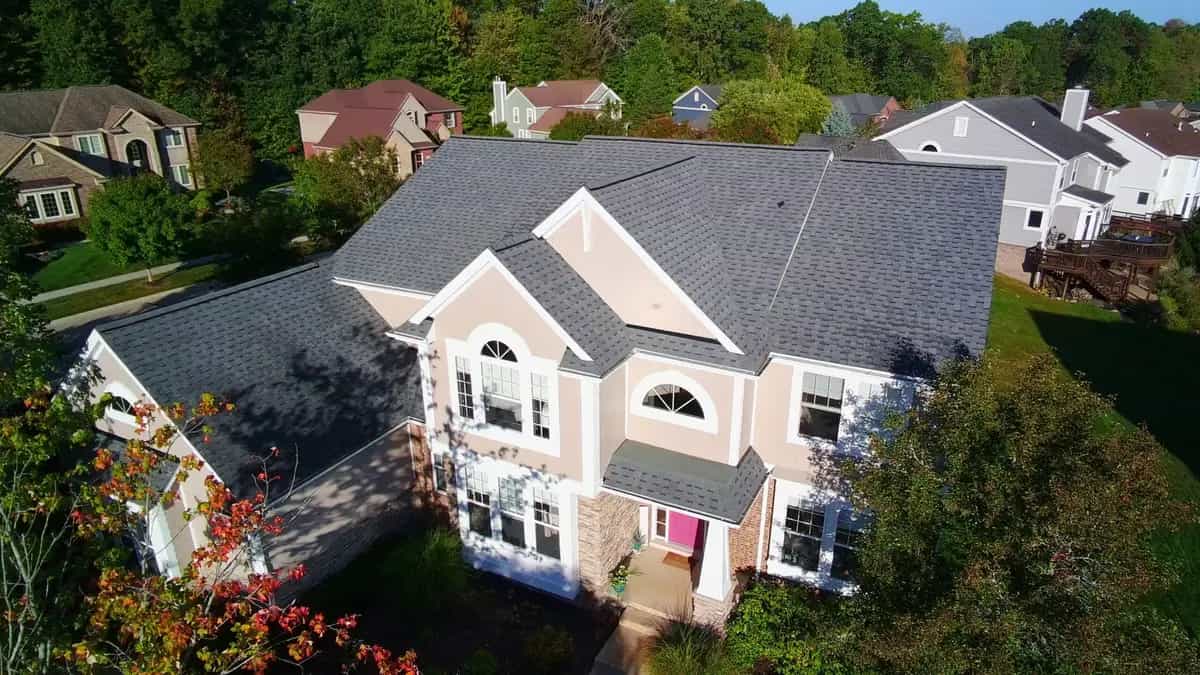
This is where a one-slope approval gets genuinely harder to live with, and it is a separate question from whether Michigan law requires matching. Shingle manufacturers retire colors and entire product lines regularly, and a roof reshingled eight or ten years ago may already be running on a discontinued run. If your contractor cannot source the same shingle in the same color, document that in writing: a supplier confirmation that the line is discontinued, photos of the closest available match next to the existing slope, and a clear note of how visible the difference will be from the street versus from a backyard or a neighbor's upstairs window. That documentation is what turns "the new shingles look off" from a complaint into evidence an adjuster or an appraiser can actually weigh.
What Can You Do If the New Shingles Will Look Mismatched?
A few paths, roughly in order of how much friction they involve:
- Ask the adjuster in writing how they evaluated the match. A short email asking whether discontinued-line matching was considered puts the question on the claim file and often prompts a second look without any formal process.
- Submit a supplement for anything genuinely missing from the scope. A ridge or hip that ties the repaired slope to an untouched one usually needs its full cap redone for the courses to lock correctly, which is a legitimate line item regardless of the matching debate, not an appearance argument. Our guide to roof insurance supplements covers how that paperwork gets built and submitted.
- Invoke the appraisal clause for a dispute about the amount. Appraisal under Michigan's insurance code applies when you and the insurer disagree on the amount of a covered loss, for example if your contractor documents damage on a second slope the adjuster's estimate left out. It is not the right tool for a dispute about whether a cosmetic mismatch itself is covered. Our guide to a denied or underpaid Michigan roof claim walks through how appraisal and a DIFS complaint each work and when each one fits.
- File a complaint with the Michigan Department of Insurance and Financial Services if you believe the insurer is misapplying your specific policy language, not just disagreeing with you about appearance. DIFS reviews claim handling and puts your insurer's response on the record with its regulator.
- Consider a licensed public adjuster for a larger or more contested claim. A roofing contractor documents the roof and submits supplements, but Michigan law reserves negotiating your settlement for a licensed adjuster. Our comparison of a public adjuster versus a roofing contractor lays out what each role can and cannot do.
What Does the Seam Between Old and New Shingles Actually Look Like?
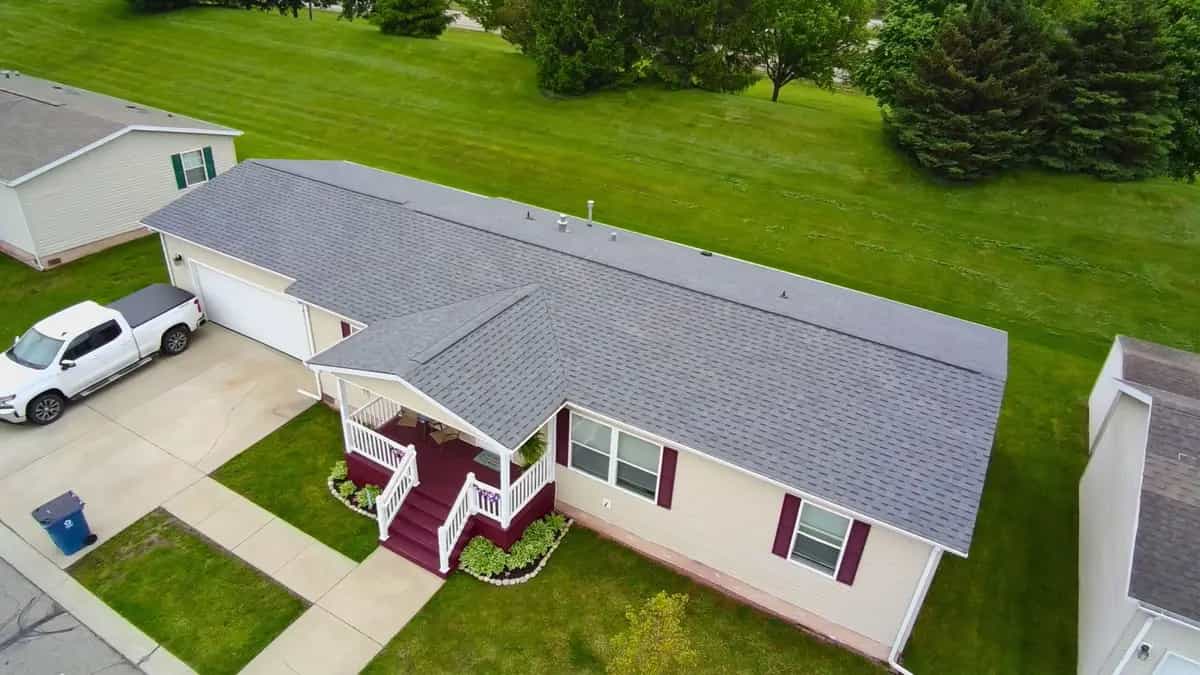
Before deciding how hard to push, it helps to know what you are actually trying to avoid. A clean one-slope job ties into the rest of the roof at a ridge, hip, or valley, not in open air, and a well-built tie-in does not read as two different roofs stapled together. A sloppy one does. We cover the structural detail of how that transition gets built, and why the ridge or valley is the hardest part of a partial job to get right, in our guide to replacing just one slope. The visual seam most homeowners worry about is usually smaller in person than it looks in a photo, and it fades as the new shingles weather in over a season.
When Should You Accept a Partial Approval, and When Should You Push Back?
There is no single right answer, but a few questions tend to settle it:
| Question | Leans toward accepting the scope | Leans toward pushing back |
|---|---|---|
| Is the slope visible from the street? | No, it is a rear slope, garage, or addition | Yes, it is the primary street-facing slope |
| Can the shingle be matched closely? | Yes, the same line and color is still available | No, the line is confirmed discontinued |
| Is the rest of the roof the same age and condition? | No, the other slopes are newer or clearly healthier | Yes, you would likely be back for another slope within a year or two anyway |
| Did the adjuster's estimate cover everything your contractor found? | Yes, the scope matches your own inspection | No, your contractor documents damage the estimate left out |
If the honest answer is that the rest of your roof is the same vintage as the damaged slope, the smarter move is often not fighting over matching at all, it is paying the difference to do the whole roof now while a crew is already mobilized, rather than paying full mobilization costs a second time in a year or two. Our guide to one-slope replacement costs breaks down why a partial job rarely scales down proportionally from a full roof's per-square-foot price.
Get a Second Set of Eyes on the Scope
A project manager inspects every slope on every job we take on, not just the one you called about, and we will tell you plainly whether the adjuster's scope looks complete or whether a supplement is worth filing before you sign anything. We meet adjusters on site for exactly this reason. If the roof is open right now, call for emergency tarping first. From there, our storm damage inspections are free, and we handle supplement paperwork as part of the job, with no deposit required at any point.
We work these claims for homeowners in Oxford, Ferndale, Rochester Hills, and across Southeast Michigan. Our step-by-step Michigan claim guide covers what comes before this stage, and our job gallery shows the real, published price of roofs we have completed so you have a reference point for what a full reroof costs if you decide that is the better option.
Frequently Asked Questions
What does a partial, one-slope insurance approval mean?
It means the adjuster found covered storm damage on only one section of your roof and the insurer is paying to repair or reshingle that slope, not the whole roof. It is a normal outcome of a Michigan wind or hail claim when the other slopes show no confirmed damage, not automatically a sign the claim was shortchanged.
Does Michigan require my insurer to replace the whole roof so the shingles match?
We have not found a Michigan statute, administrative rule, or DIFS bulletin that requires it, unlike Florida and Kentucky, which have written matching requirements into law or regulation. Whether matching applies to your claim depends on your own policy's replacement cost language, most of which promises materials of like kind and quality rather than an identical match.
Can I appeal if I think my insurer under-scoped my roof?
Yes, through a couple of different paths depending on the dispute. If your contractor documents damage on a slope the adjuster's estimate left out, that is a supplement or, if the insurer disagrees on the amount, an appraisal dispute. If the disagreement is about how the insurer applied your policy or handled the claim, a complaint with the Michigan Department of Insurance and Financial Services is the next step.
What if my exact shingle color or line has been discontinued?
Document it. A written supplier confirmation that the line is discontinued, along with photos comparing the closest available match to the existing slope, gives an adjuster or appraiser real evidence to weigh instead of a general complaint that the new shingles look different.
Can my roofing contractor negotiate the partial approval with my insurer?
Not directly. Michigan law reserves negotiating a settlement for a licensed adjuster; a contractor can document the roof, write the scope, meet the adjuster on site, and submit supplements, but cannot represent you in the negotiation itself. A licensed public adjuster can, for a fee based on the settlement.