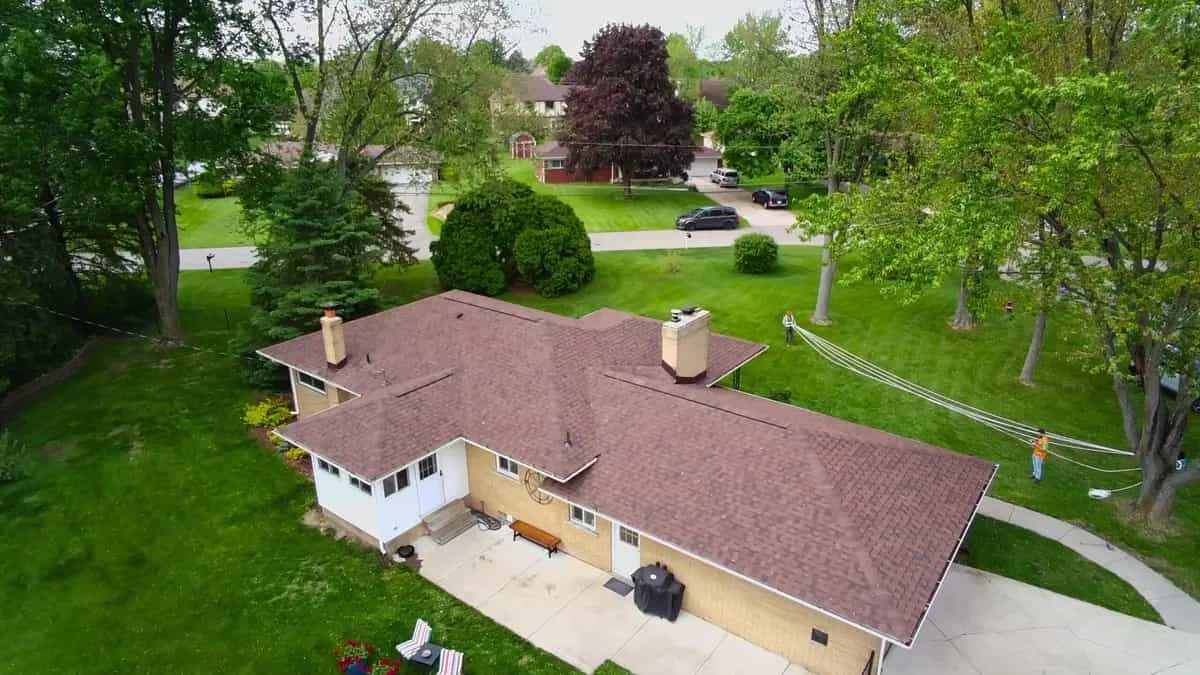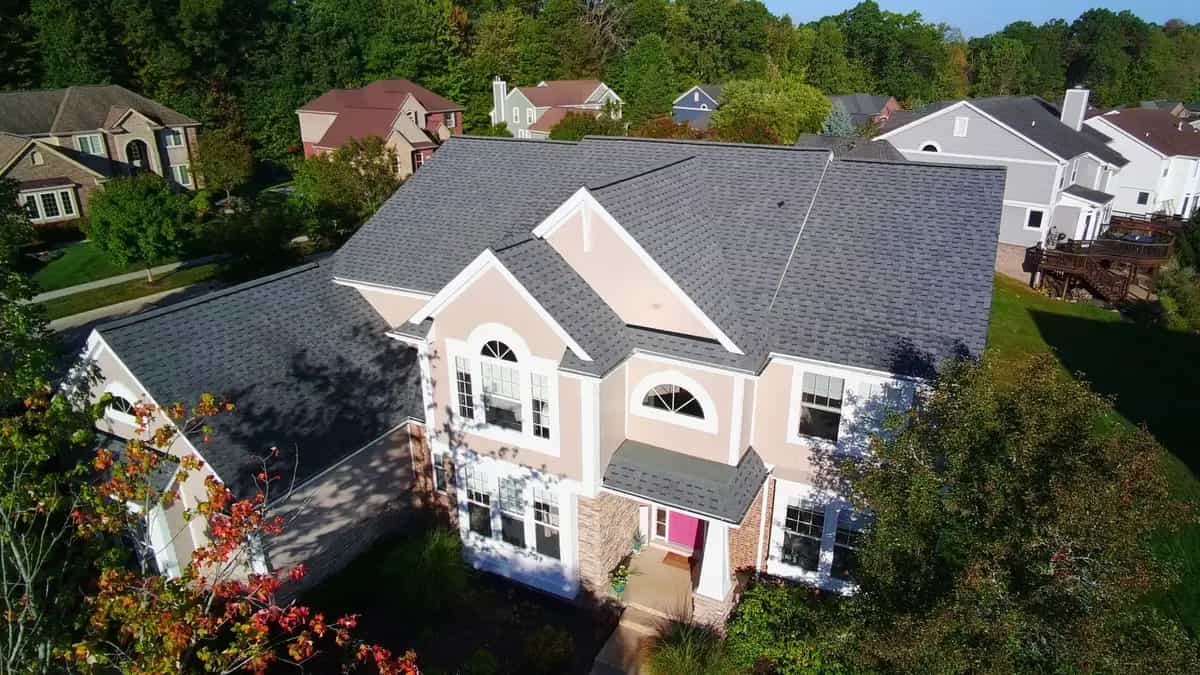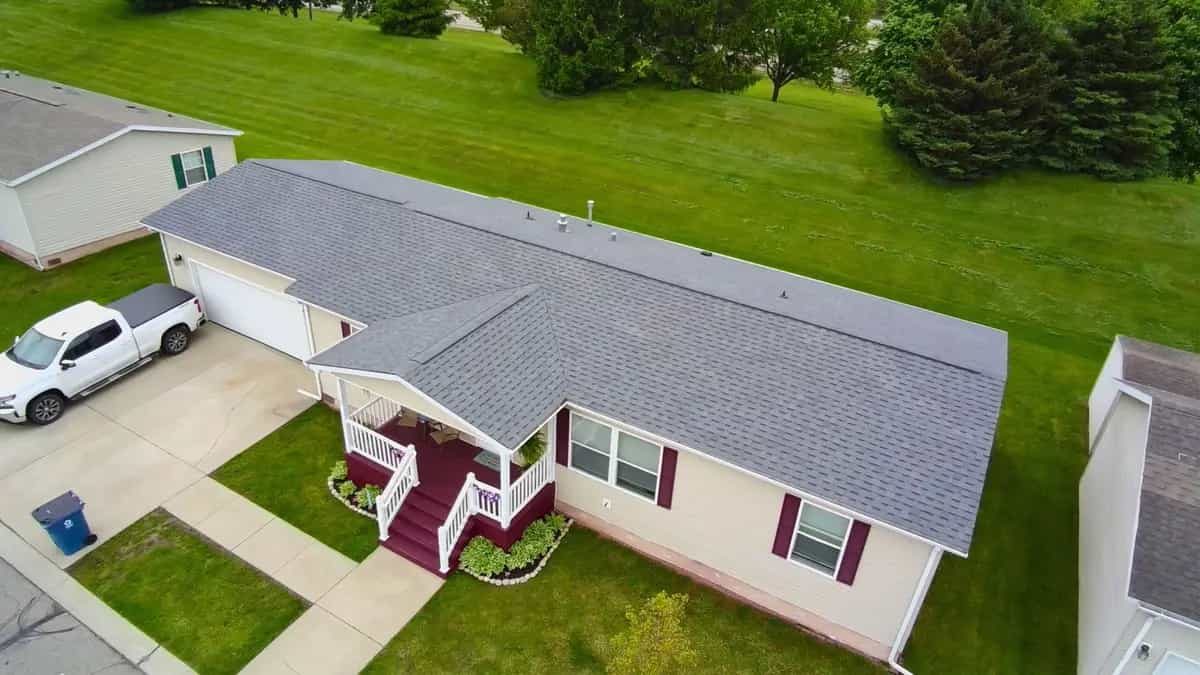
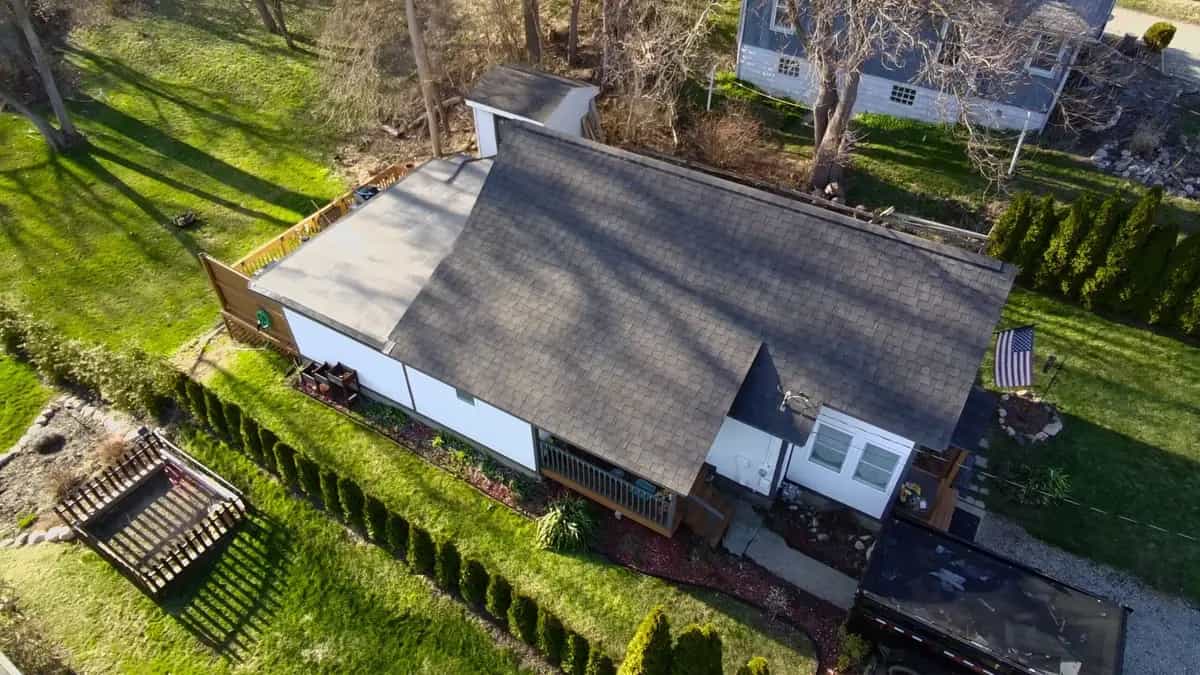
Roofing a historic Michigan home comes down to two separate questions that homeowners often mix together. The first is what the roof itself needs: original plank decking, possibly two or three layers of old shingles, and a steep, cut-up roofline. The second is whether your specific address sits inside a city's legally designated historic district, which can require a Historic District Commission to approve the shingle product and color before a permit is even issued. Only one of those two questions applies to most old homes, and figuring out which one is the first real step.
Does My Michigan Home Need Historic District Approval Before I Reroof?
Being old, and even being listed on the National Register of Historic Places, does not by itself require a government body to approve your new roof. That review power comes from a separate, local decision: a city or village has to adopt its own historic district ordinance under Michigan's Local Historic Districts Act (1970 PA 169, MCL 399.201 et seq.) and set up a commission to enforce it. Plenty of genuinely old Michigan neighborhoods never took that step, which means a reroof there is a normal permit, nothing more.
Across the towns we work in, we see both situations:
- A commission reviews the roof. Downtown Northville's historic district, the Holland Historic District, Grand Rapids' Heritage Hill, and the Village of Clarkston all have an active Historic District Commission that must sign off on exterior work, including roofing, before the building permit moves forward.
- The home is historic, but no commission reviews the roof. Livonia's Old Rosedale Gardens neighborhood has been on the National Register since 2010, and the village core of Plymouth's Old Village and the historic blocks of downtown Romeo are full of homes from the 1800s and early 1900s. None of those three has a local ordinance requiring design review before a standard reroof, based on what each city's own permit office tells us.
The only way to know for sure is to ask your city or township directly, by address, before you sign a contract. We confirm this for every historic-area customer as part of the estimate.
What Does Historic District Commission Approval Actually Cost and Take?
Where a commission is involved, the process is usually a short application plus a monthly meeting, not a design overhaul. Here is what it actually looks like in four of the Michigan cities where we work:
| City | Review body | Application fee | Meets | Skipping it |
|---|---|---|---|---|
| Northville (downtown) | Historic District Commission | $100 | 3rd Wednesday monthly | $500 penalty plus fees |
| Holland (Historic District) | Historic District Commission | $25 | 1st Tuesday monthly | Not published |
| Grand Rapids (Heritage Hill) | Historic Preservation Commission | $27 staff-level, $90 full commission | Monthly | Not published |
| Clarkston (Village Historic District) | Historic District Commission | Not published | Not published | Required regardless of building permit |
Northville's own downtown district, designated in 1974, covers roughly 73 buildings anchored by Victorian and Gothic Revival homes built between 1860 and 1880. The commission there reviews the specific shingle product and color you plan to install, which is a narrower ask than it sounds: it is not asking you to replicate a slate or wood shake roof the house had in 1880, just to confirm the new asphalt shingle fits the district visually. In Grand Rapids' Heritage Hill, a straightforward reshingle with a matching color often gets approved at the staff level for $27, and only larger changes go to the full monthly commission meeting. Build whichever meeting cycle applies into your project timeline before you plan a start date. A damaged roof does not wait for a commission's third Wednesday, which is exactly why we start that paperwork the moment we confirm a home needs it.
What Is Actually Different About Roofing a Century-Old House?
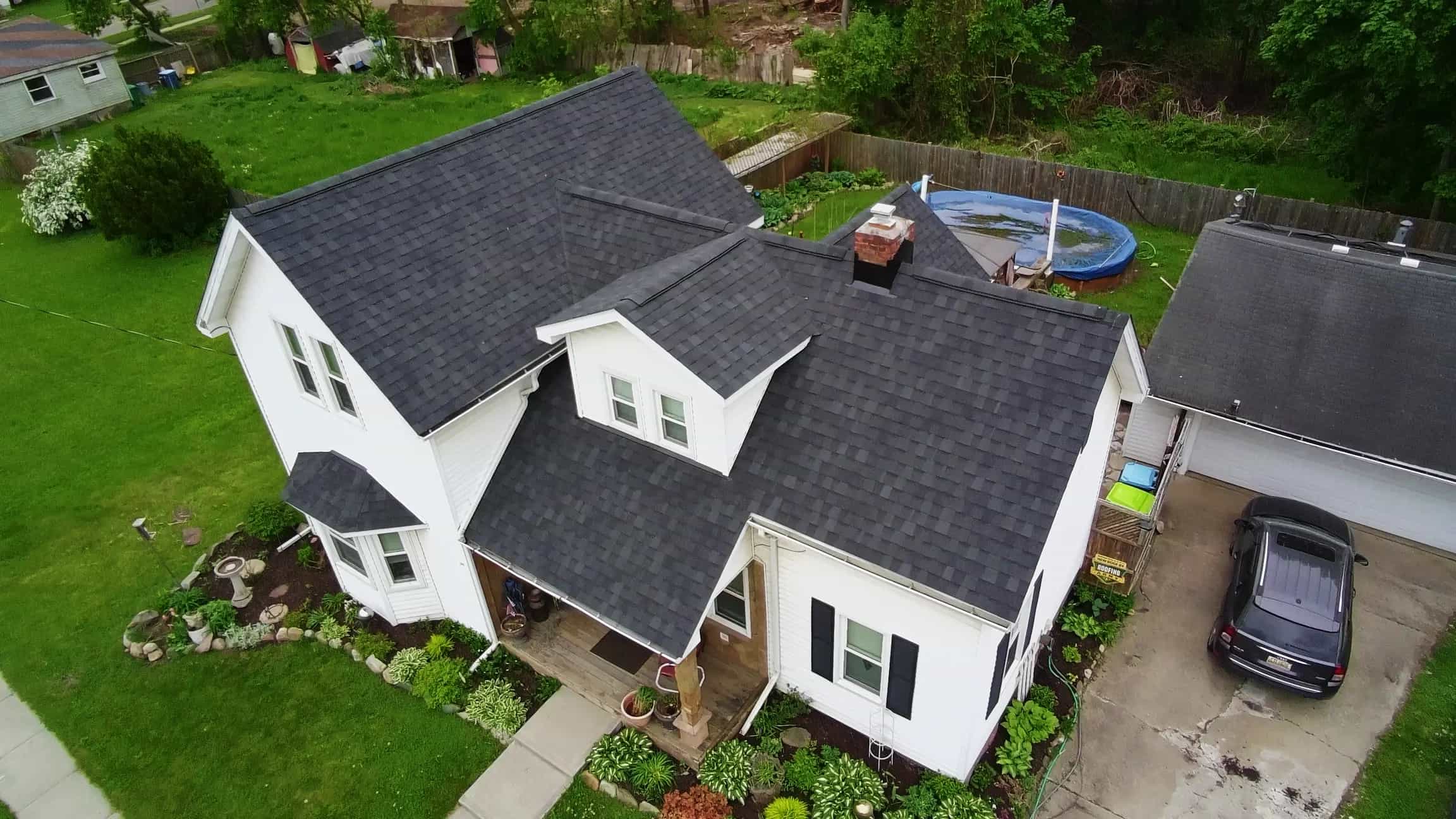
Separate from any commission, the physical building itself is just different, and this is the part that affects every old home whether a commission reviews it or not. Across 488 replacement quotes we have priced in the last year, 12% of roofs already carried two layers of old shingles (three more had a third), and 4% needed original plank, or board, decking repaired rather than plywood. Plank decking is boards run edge to edge, sometimes with gaps between them, the way roofs were built before plywood sheathing became standard. The Michigan Residential Code requires asphalt shingles to go over solidly sheathed decking; spaced board decking is only allowed as-is under wood shingle or shake roofs, so where the gaps are wide, that decking needs new solid sheathing added before shingles go on, not just a layer of shingles laid directly over the old boards.
None of that is visible from the ground, which is why a fair quote states a per-sheet decking price in writing before the tear-off starts, rather than treating rotted or gapped boards as a surprise negotiated on your driveway once the crew is already up there. A real example: we tore off and replaced a 1,282 sq ft roof at 54 Sylvan Ave in Pleasant Ridge for $10,025.00, a city that is nearly entirely a federally designated historic district with homes built mostly from 1910 to 1930. That works out to roughly $7.82 per square foot, a bit above what a simple, flat, postwar ranch roof runs, and steep pitch, dormers, and the extra care an older roof deck deserves are the reason.
Do I Have to Match the Original Roofing Material Exactly?
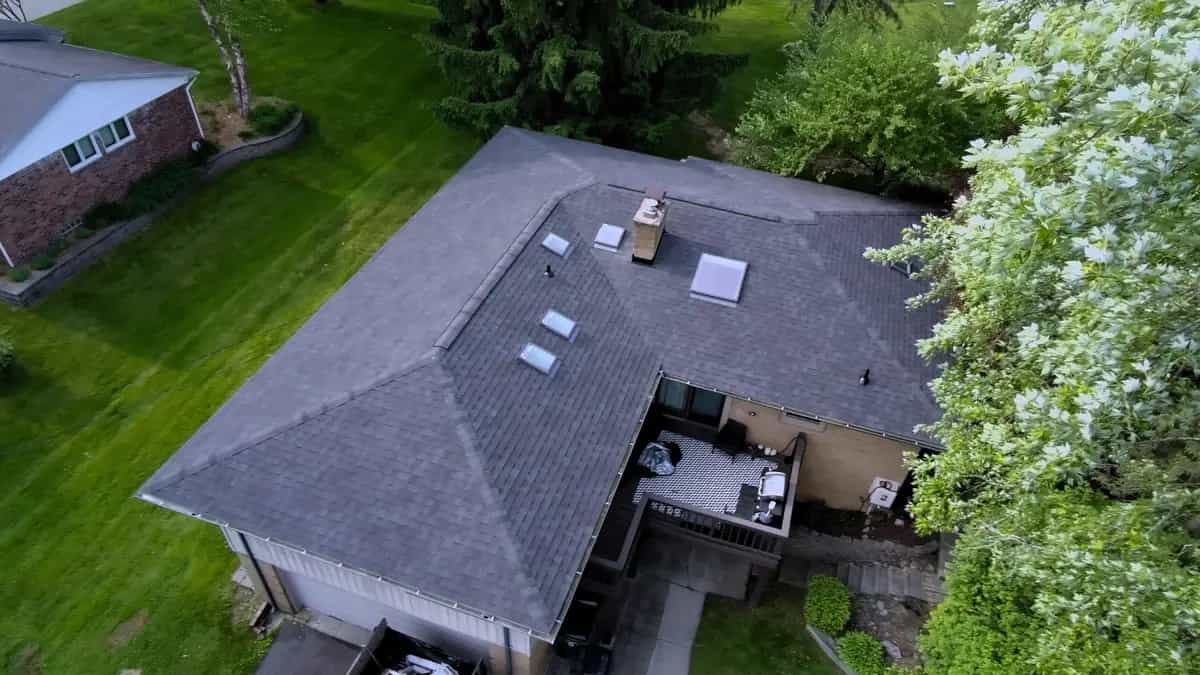
Usually no. Where a commission does review the work, our experience and the cities' own guidance both point the same direction: most residential reroofs with a quality architectural asphalt shingle proceed without a fight over material, as Pleasant Ridge's own homeowner guidance states directly. What a commission is checking is whether the new shingle's color and profile sit comfortably next to the neighbors, not whether you have sourced slate or cedar shakes to match a roof the house had a hundred years ago. We pick an architectural shingle color and line that reads right against the home's trim and brick before we ever submit an application, so the review is a formality, not a redesign.
What a commission, or just good practice on an un-reviewed historic home, will not let slide is changing the roofline itself: adding a skylight that was not there, altering a dormer, or swapping metal valleys for a style the house never had. Keep the shape and lines of the roof the same, update the material underneath it to something that will actually survive another fifty Michigan winters, and that is the balance every one of these projects is really striking.
Before You Reroof a Historic or Century-Old Michigan Home
- Confirm the jurisdiction by address, not by neighborhood name. Several of these towns split a historic core from a surrounding township with a completely separate permit office.
- Confirm whether a historic district ordinance actually applies to your block. A National Register listing alone does not mean a commission reviews your roof; ask the building department directly.
- If review is required, get the application in before you order materials. Build the commission's meeting date into your schedule, not around it.
- Get a written, per-sheet price for decking replacement before tear-off starts. Old homes are far more likely to need it than new ones.
- Ask whether the crew has taken a reroof through your specific city's commission before. The paperwork and the timing both go smoother with someone who has done it.
- Ask about attic ventilation. Century-old homes were built with little to none by modern standards, and correcting it during the reroof is the permanent fix for ice dams and early shingle failure.
Get an Honest Quote on Your Historic Home
I am Aaron Scott, a licensed Michigan residential builder and the owner of Roofing Army. Our crews have worked on the steep-pitch homes in Northville's downtown historic district, the plank-decked roofs of Plymouth's Old Village, and the Tudor Revivals of Pleasant Ridge, and a project manager is on site for every one of those jobs, old home or new. We do not take deposits, and we give every customer several quotes at different price points rather than one number and a handshake. If your home's jurisdiction requires historic district paperwork, we handle the application and build it into your schedule. For the permit side of any Michigan reroof, see our roof permit guide, browse real completed projects in the job gallery, or learn more on our roof replacement page and schedule a free inspection.
Frequently Asked Questions
Does my historic Michigan home need Historic District Commission approval before a reroof?
Only if your specific address falls inside a city or village that has adopted its own local historic district ordinance. Downtown Northville, the Holland Historic District, Grand Rapids' Heritage Hill, and the Village of Clarkston all require commission review before a reroof permit moves forward. Livonia's Old Rosedale Gardens, Plymouth's Old Village, and Romeo's historic blocks are full of old homes but, based on what each city tells us, do not require that review for a standard reroof. Confirm by address with your building department before you sign a contract.
What is the difference between a National Register of Historic Places listing and a local historic district?
A National Register listing is largely honorary recognition of a neighborhood's history and does not, by itself, give any commission the power to approve or deny your roofing material. A local historic district is created separately, when a city or village passes its own ordinance under Michigan's Local Historic Districts Act (1970 PA 169, MCL 399.201 et seq.) and forms a commission to enforce it. A neighborhood can have one designation without the other, which is exactly the case in Livonia's Old Rosedale Gardens.
What happens if I skip required historic district approval before reroofing in Michigan?
It varies by city, but the penalties are real. In downtown Northville, starting work without Historic District Commission approval carries a $500 penalty on top of the standard permit fees, in addition to the risk of being told to redo the work. We file the application and build the commission's review timeline into the project schedule so this never becomes an issue.
Can I install regular architectural asphalt shingles on a historic home?
In most cases, yes. Historic district commissions are generally reviewing the shingle's color and profile against the surrounding homes, not requiring you to replicate the original slate or wood shake material. Pleasant Ridge's own homeowner guidance states that most residential roof replacements with architectural shingles proceed without issue. The bigger thing to protect is the roofline itself: keep the shape, dormers, and valleys the way the house was built.
What is plank decking, and why does it matter on an old roof?
Plank, or board, decking is individual boards installed edge to edge across the rafters, the standard method before plywood sheathing took over in the mid-1900s. On the 488 replacement quotes we priced in the last year, 4% needed plank decking repaired. The Michigan Residential Code requires asphalt shingles to go over solidly sheathed decking, so where old boards have gaps too wide for that standard, new sheathing goes down before new shingles do.