A public adjuster is a state-licensed professional you hire to negotiate your insurance claim with the carrier, paid a percentage of the settlement. A roofing contractor inspects and documents the damage, writes the repair scope, meets the adjuster on site, submits supplements for missed items, and does the work, paid from the job price. In Michigan, only a licensed adjuster may adjust a claim or hold themselves out as an adjuster, so a contractor cannot negotiate your claim for you. I'm Aaron Scott, a licensed Michigan residential builder and owner of Roofing Army, and here is how the two roles fit together on a roof claim.
What Does a Public Adjuster Do?
A public adjuster, called an adjuster for the insured in Michigan's insurance code, represents you rather than the insurance company. They read your policy, inventory and value the loss, prepare and present the claim, and negotiate the settlement with the carrier's adjuster. Their work covers the whole claim, not just the roof: interior water damage, contents, and additional living expenses if you had to move out.
Michigan regulates them closely. Under MCL 500.1222, no one may adjust loss or damage under an insurance policy, or advertise or hold themselves out as an adjuster, without an adjuster's license. Under MCL 500.1226, an adjuster for the insured may not provide services until they have a written contract with you on a form approved by the state, and according to the Michigan Department of Insurance and Financial Services (DIFS) FAQ on the residential public adjuster contract, the adjuster's fee may not exceed 10 percent of the total amount the insurer pays in settlement of the loss. You can verify any adjuster's license through DIFS.
What Does a Roofing Contractor Do on an Insurance Claim?
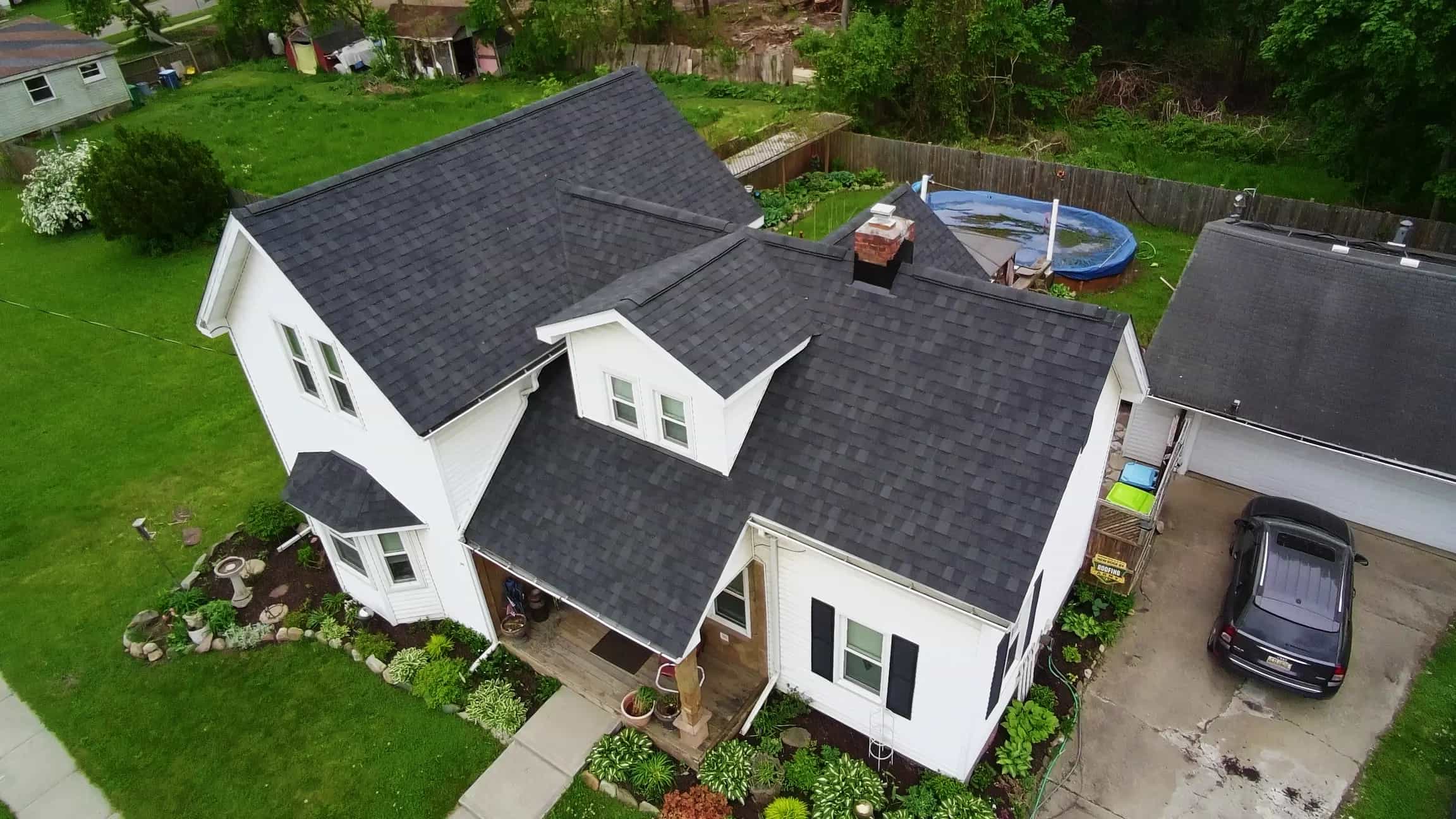
A contractor's job is the roof. On our storm claims across Southeast Michigan, that means:
- Inspect and document. Drone and on-roof photos of every slope, collateral damage on gutters and vents, and interior evidence, all stored in your job portal.
- Write the scope. A line-item estimate of the work needed to restore the roof properly, including code-required items like ice barrier and drip edge.
- Meet the adjuster on site. We walk the roof with the carrier's adjuster so the damage we found gets seen, measured, and photographed together.
- Submit supplements. When the adjuster's estimate misses items or tear-off reveals hidden damage, we document it and submit an itemized addition, as explained in our guide to roof insurance supplements.
- Do the work to the approved scope, with a project manager on site every day, and invoice for release of any held-back depreciation.
Everything on that list is about establishing what the roof needs and what it costs. None of it is negotiating the claim on your behalf.
What Can a Contractor Not Do in Michigan?
Because adjusting requires a license, a roofing contractor in Michigan should not:
- Negotiate coverage or the settlement amount with your insurer as your representative. That is adjusting, and MCL 500.1222 reserves it for licensed adjusters.
- Interpret your policy for you or tell you what the carrier legally owes. We can explain what the roof needs and what it costs; your agent, a public adjuster, or an attorney reads the policy.
- Waive, absorb, or hide your deductible. DIFS warns that a contractor absorbing your deductible is asking you to sign a claim that misstates what you paid.
- Hold both roles. Michigan law, at MCL 500.1224, bars the state from licensing as an adjuster anyone employed by, owning stock in, or otherwise connected with a fire repair contractor. The two jobs are kept separate on purpose.
Be cautious of any roofer who says they will handle the claim for you or fight the insurance company. Documentation and scope are our lane; negotiation is not. Some out-of-state storm chasers blur that line, and it is your claim that carries the risk.
How Is Each One Paid?
| Public adjuster | Roofing contractor | |
|---|---|---|
| Who they represent | You, against the insurer | Themselves, as the party doing the work |
| License | Michigan adjuster license (DIFS) | Michigan residential builder license (LARA) |
| Contract | State-approved public adjuster contract form | Repair or replacement contract for the work |
| Fee | Percentage of the settlement, capped at 10% per DIFS | The job price, paid from claim proceeds plus your deductible |
| Scope | Entire claim: roof, interior, contents, living expenses | The roof and related exterior work |
| Can negotiate the claim? | Yes | No |
| Can submit supplements? | Yes, as part of the claim | Yes, for scope and pricing of the work |
| Deposit | Varies by contract | We never take one |
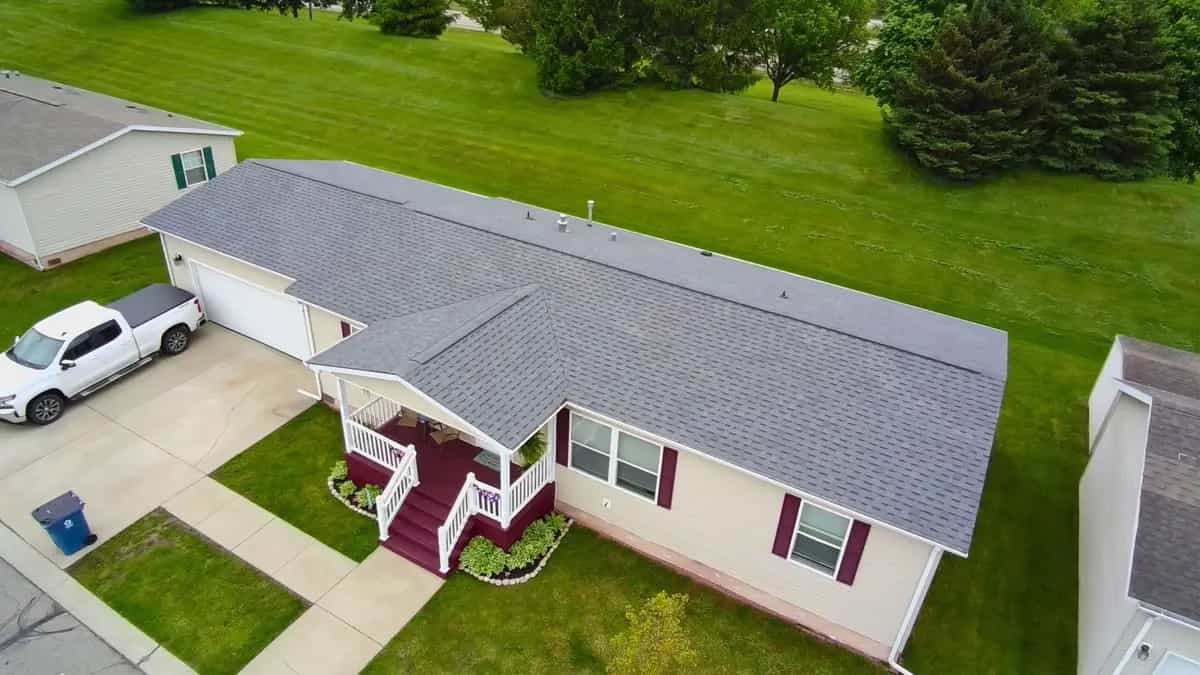
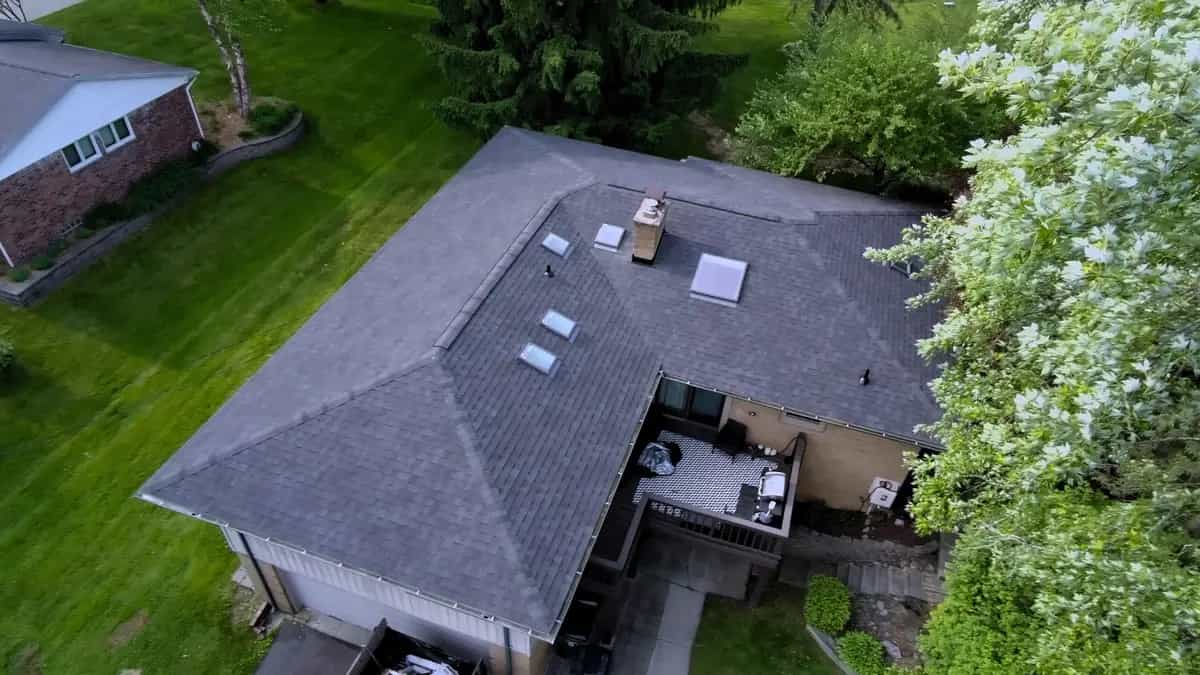
On a roof like our replacement at 51782 Flyer Drive in Macomb, published at $15,693, a 10 percent public adjuster fee on a settlement of that size would be roughly $1,569, which is the question to weigh: does the PA's involvement change the outcome by more than that?
When Does Hiring a Public Adjuster Make Sense?
In our experience, a public adjuster earns their fee when the claim is larger and more complicated than a roof:
- Significant interior damage across multiple rooms, with drywall, flooring, and contents on the claim.
- A coverage dispute, where the insurer says the loss is excluded and the argument is about policy language rather than shingle counts.
- A denied or badly underpaid claim that a contractor's re-inspection and supplement did not resolve.
- You do not have the time or capacity to manage the claim yourself, for example after a fire or a total loss.
For a straightforward wind or hail roof claim with no interior damage, most homeowners we work with do not need one. A licensed contractor's documentation, a joint inspection with the adjuster, and a clean supplement resolve the large majority of scope disagreements without a percentage coming off the settlement. If the claim is denied outright, our guide to what to do when a Michigan roof claim is denied lays out the appeal, appraisal, and DIFS complaint options, and hiring a PA is one of them.
How Do You Vet Either One?
- Public adjuster: confirm the license with DIFS, insist on the state-approved contract form, read the fee section and the cancellation terms, and ask which coverages the fee applies to.
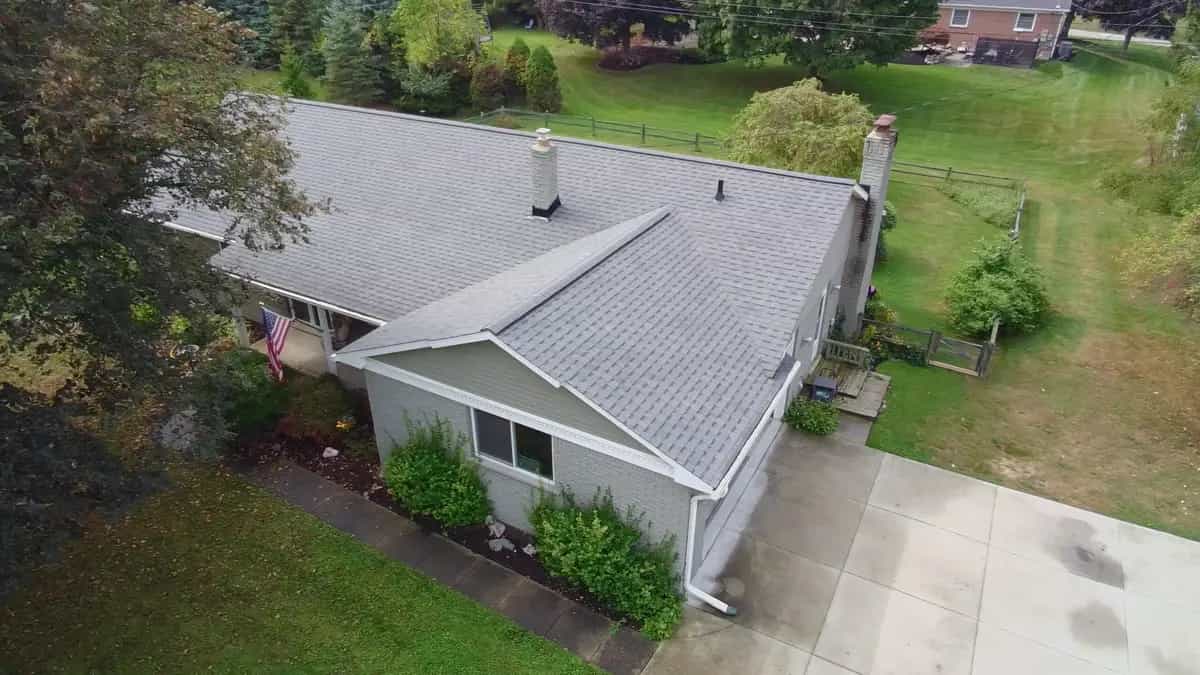
- Contractor: confirm the residential builder license with LARA, ask for a written inspection report with photos, get a line-item estimate, and walk away from anyone who asks for a deposit before the claim is approved or offers to cover your deductible.
- Both: local, established, and willing to say when a claim is not worth pursuing.
How Do the Two Work Together?
Well, usually. When a homeowner has hired a public adjuster, we provide the inspection report, photos, measurements, and estimate the PA needs to present the roof portion of the claim, we meet the carrier's adjuster on the roof, and we build to the approved scope. The PA handles the negotiation and the rest of the claim. When there is no PA, we do the same documentation and hand it to you and the carrier's adjuster directly. Either way, the roof gets installed the same way: full tear-off, cap nails on the underlayment, 6 feet of ice and water shield at the eaves, and no deposit.
Start with a free storm damage inspection, which tells you whether the claim is worth filing at all before anyone is hired. If the roof needs a full replacement or is open to the weather and needs tarping, we handle both. We work claims in Shelby Township, Rochester Hills, Plymouth, and across Southeast Michigan, and every completed project is published with its real price in our job gallery. For the process from the first call to the final check, read our guide to filing a roof insurance claim in Michigan.
Frequently Asked Questions
Can a roofing contractor negotiate my insurance claim in Michigan?
No. Under MCL 500.1222, adjusting a loss under an insurance policy, or holding oneself out as an adjuster, requires an adjuster's license. A contractor can inspect, document, write the repair scope, meet the adjuster, and submit supplements for the work, but negotiating coverage or the settlement on your behalf is adjusting. Be wary of any roofer who promises to handle or fight the claim for you.
How much does a public adjuster cost in Michigan?
According to the Michigan Department of Insurance and Financial Services FAQ on the residential public adjuster contract, the fee may not exceed 10 percent of the total amount the insurer pays in settlement of the loss, and the adjuster must use a state-approved contract form. Fee arrangements within that cap vary, so read the fee section before signing.
Do I need a public adjuster for a simple hail or wind roof claim?
Usually not. A licensed contractor's inspection report, a joint walk of the roof with the carrier's adjuster, and a documented supplement resolve most roof-only scope disagreements without a percentage of the settlement going to a fee. A public adjuster becomes more valuable when there is extensive interior damage, a coverage dispute, or a denial that documentation alone did not overturn.
Can a public adjuster also be my roofing contractor?
Michigan keeps the roles separate. MCL 500.1224 prohibits licensing as an adjuster anyone employed by, owning stock in, or otherwise connected with a fire repair contractor, and an adjuster for the insured may not collect a fee from a repair contractor for steering work. Hire each independently and confirm their licenses with DIFS and LARA respectively.
What should a contractor's role look like when I have a public adjuster?
The contractor supplies the roof evidence: inspection report, drone and on-roof photos, measurements, and a line-item estimate. They meet the carrier's adjuster on the roof and later submit supplements for hidden damage found during tear-off. The public adjuster presents and negotiates the claim as a whole. A good contractor and a good PA work from the same photos and the same scope.