What Would Your Roof Cost?
This estimate is built from 47 real jobs we have published with prices, not national averages.
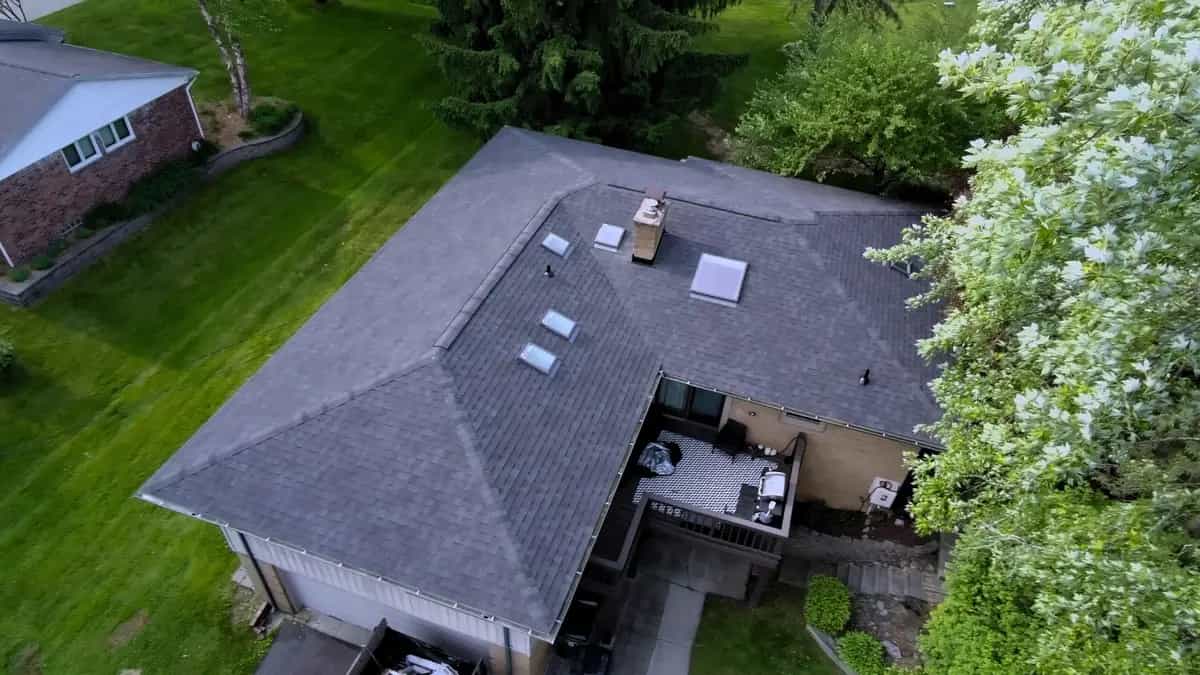
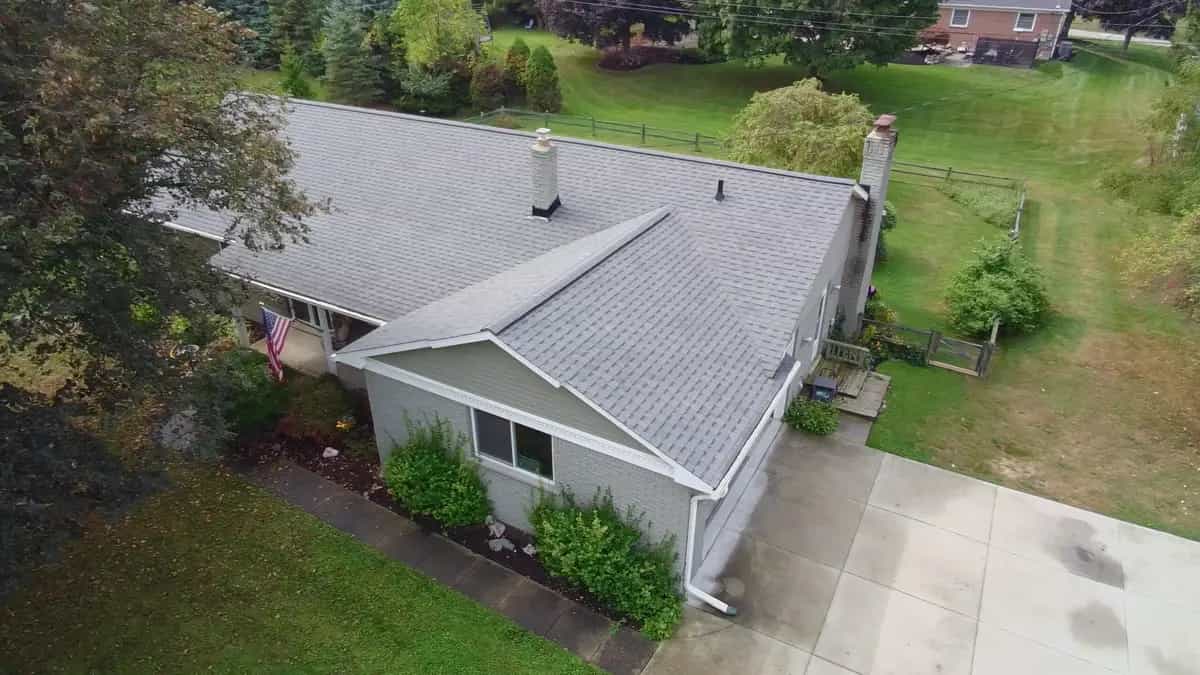
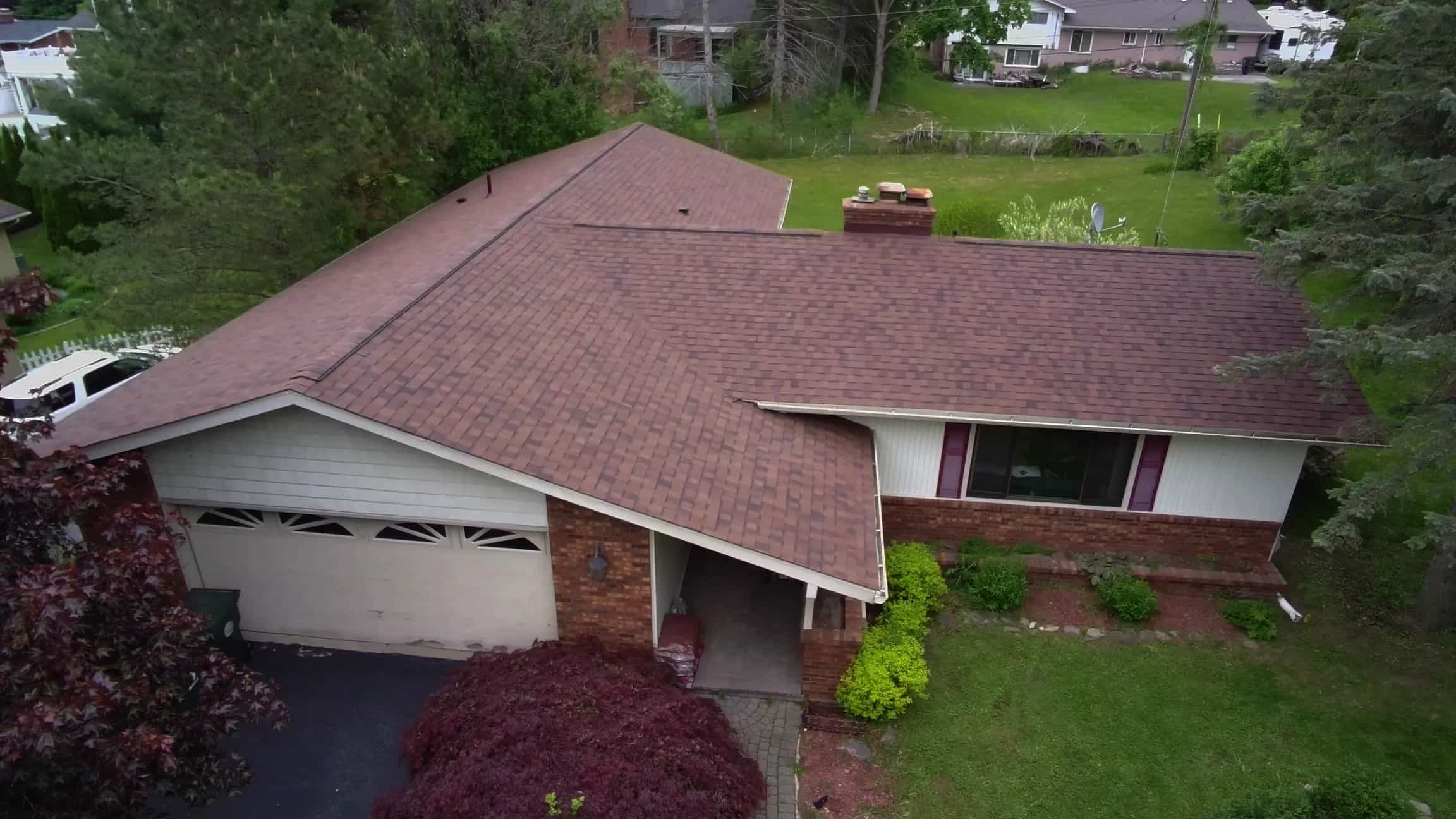
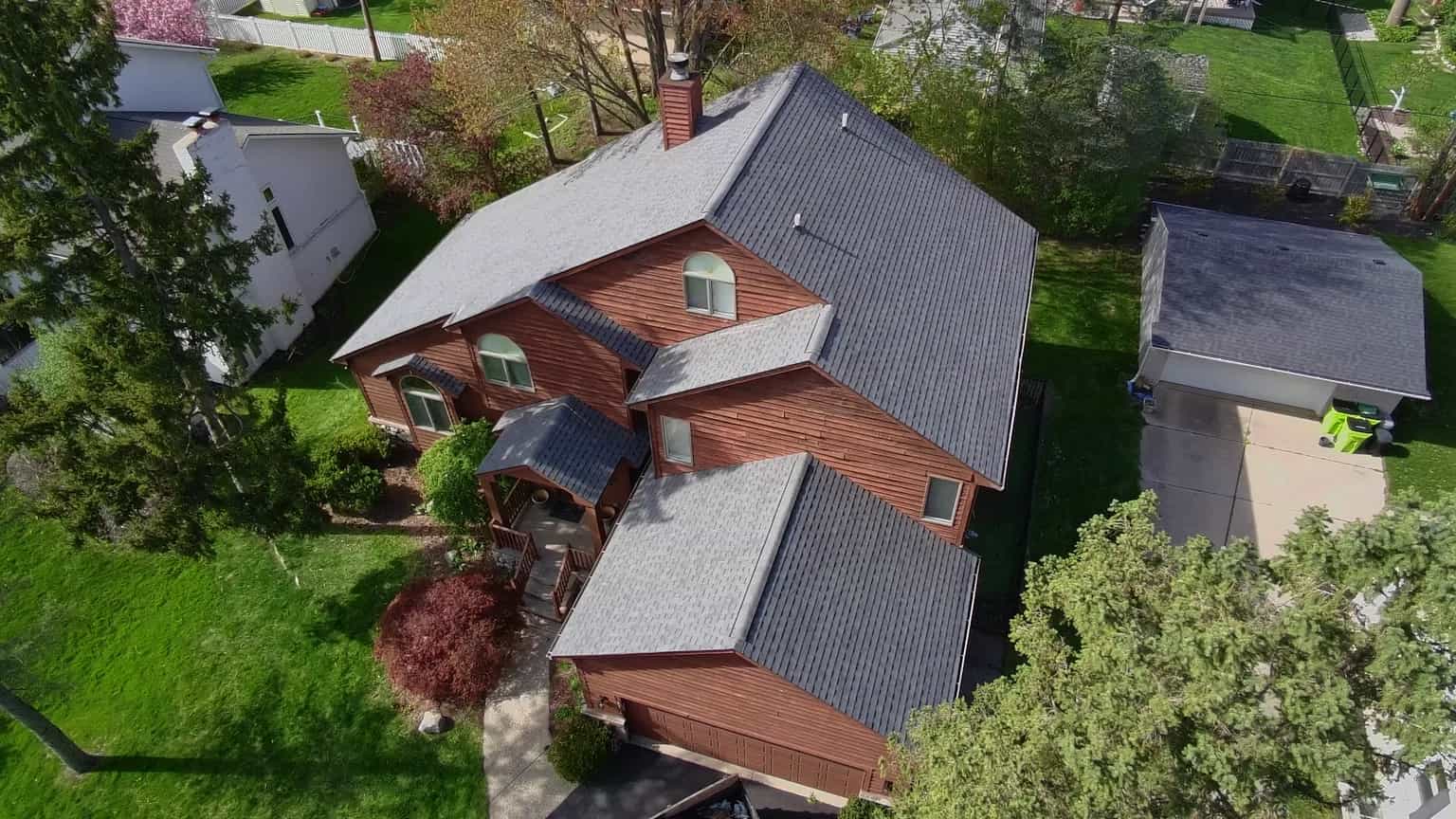
Real jobs we have published near this size
I'm Aaron Scott, a licensed Michigan residential builder and the owner of Roofing Army. A roof replacement in Southfield, Michigan typically costs $8,000 to $15,000 for a standard ranch or colonial with asphalt architectural shingles. Southfield is 26 square miles with housing from nearly every decade since the 1950s, so the range is wider than in a single-era city. Here is what actually drives that number, built from a real completed Southfield project instead of a national calculator.
How Much Does a Roof Replacement Cost in Southfield, MI?
Use the calculator above for a quick estimate on your own roof, then look at the table below to see how those numbers play out on an actual Southfield home. Southfield is Oakland County's second-largest city by land area, and its 75,000 residents live across neighborhoods that were built in different decades under different codes, with different roof pitches and complexity. That spread is the main reason our city-wide range runs $8,000 to $15,000 instead of a tighter band like you see in a single-era suburb.
What Does a Real Southfield Roof Replacement Cost?
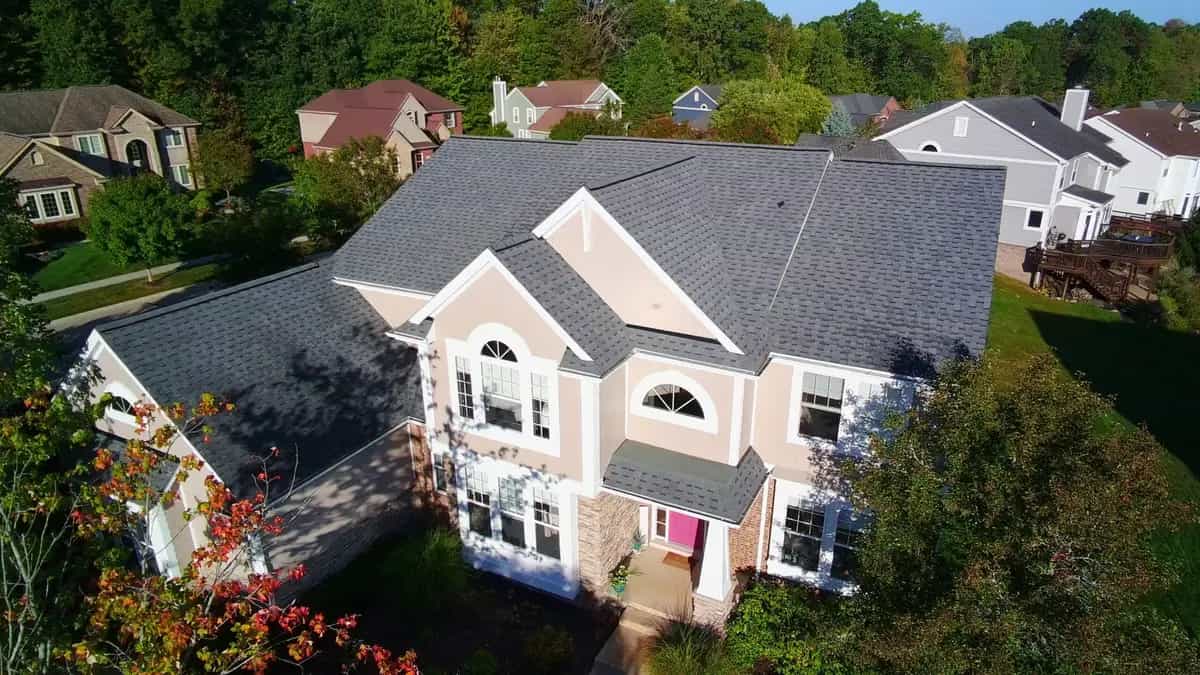
This is a recent project pulled straight from our job gallery, where every project we publish shows the real price, square footage, and photos:
| Location | Roof Size | Material | Real Price |
|---|---|---|---|
| 30145 Fairfax Street, Southfield | 2,091 sq ft | Asphalt shingles | $13,699.80 |
| Typical Southfield ranch or colonial | 1,500 to 2,500 sq ft | Architectural asphalt shingles | $8,000 to $15,000 |
The Fairfax Street job at $13,699.80 for 2,091 square feet works out to roughly $6.55 per square foot of roof area, right in the normal band for a straightforward asphalt tear-off and replacement with no unusual pitch or layout to slow a crew down. It lands in the upper-middle of our city-wide range, consistent with a mid-sized home rather than one of Southfield's compact 1950s ranches or its larger northern colonials. That is the honest way to read any single project: it tells you what one specific roof costs, and where that number sits relative to the rest of the city, not a guaranteed price for every home.
Note on square footage: these figures are roof area, not the home's living area. A single-story ranch usually has roof area close to its footprint, while a colonial or split-level with a second story has notably less roof area than square feet of living space.
Do I Need a Permit to Replace a Roof in Southfield?
Yes. The City of Southfield requires a building permit for a full roof replacement. The city's building department is at 26000 Evergreen Road, Southfield, MI 48076, and the main line is 248-796-5000. Southfield has not published a flat permit fee schedule the way some neighboring communities have, so rather than guess at a number, we pull the permit and confirm the exact fee with the city before the job starts, and we handle the entire application through final inspection on every Southfield job. For how permit costs compare across the rest of our service area, including cities where we do have a published fee, see our guide to roof permits across Southeast Michigan.
Why Does Southfield's Roof Pricing Vary So Much?
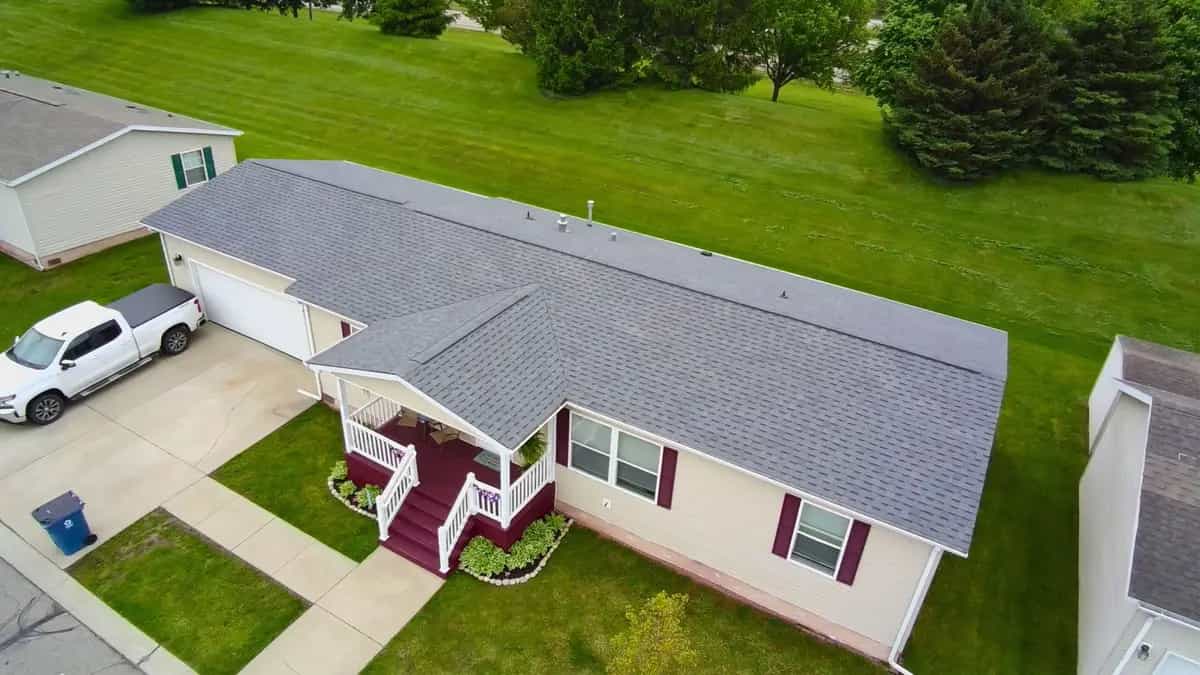
Southfield's 26 square miles were built out over roughly five decades, and the city's own neighborhoods track that timeline closely. South of 10 Mile Road, you will find 1950s-1960s ranches and bungalows with compact footprints and simple rooflines, similar to the housing stock in neighboring Oak Park and Ferndale. Between 10 Mile and 12 Mile, the blocks shift to 1960s-1970s colonials, split-levels, and tri-levels with larger footprints and more roof geometry, meaning more valleys, hips, and transitions for a crew to flash correctly. North of 12 Mile toward Beverly Hills and Birmingham, homes tend to be larger again, with more complex architecture and more roof area. A roof replacement priced at the low end of our $8,000 to $15,000 range is far more likely to be a compact South Southfield ranch; one priced at the high end is far more likely to be a larger colonial in the central or northern neighborhoods.
Ventilation is the other variable that tracks the decade of construction. On the roofs we tear off in Southfield, we regularly find 1950s ranches with no soffit vents at all, 1960s-70s colonials with undersized gable vents, and even 1980s homes with exhaust and intake that were never balanced correctly. We run a full intake and exhaust calculation on every Southfield estimate rather than assuming whatever vent configuration is already up there was sized correctly, because the right fix genuinely depends on which era of Southfield home you own.
Age also shows up during tear-off in a more direct way. With a large share of Southfield's homes dating to the 1940s through 1960s, many roofs in the city are on their second or third set of shingles. That history means a hidden layover is common enough to plan for, along with decking that has taken on moisture damage near chimneys and plumbing stacks after decades of Michigan winters. Neither is universal, which is exactly why we never promise a final price before the old shingles are actually off the house.
What Else Moves the Price on a Southfield Roof?
Beyond size and the era of your home, these items show up on nearly every Southfield estimate:
- Tear-off layers. The Michigan Residential Code does not allow a new layer of shingles over a roof that already has two. A hidden second layer on an older Southfield ranch adds labor and disposal weight once it is exposed.
- Decking condition. Nobody knows what the plywood or plank decking looks like until the shingles are off. A fair quote includes a set price per sheet in writing before the job starts, so replacement decking is never a surprise negotiated on your driveway.
- Ventilation analysis. Given how much Southfield's ventilation setups vary by decade, we run a full intake and exhaust calculation on every estimate rather than reusing whatever configuration is already up there.
- Ice and water shield. Michigan code requires a minimum of 24 inches past the interior wall line. We install 6 feet at every eave on every Southfield roof, well past that minimum.
- Material tier. Most Southfield homeowners choose architectural asphalt shingles from Atlas, CertainTeed, GAF, or Owens Corning. Tilcor stone-coated metal shingles cost roughly two to three times as much for the same roof area, which tends to make sense only for a homeowner planning a very long hold.
How Do Southfield Homeowners Pay for a New Roof?
A roof rarely fails on a convenient schedule. Financing can turn a project like this into a manageable monthly payment, with promotional 0% terms available for qualified homeowners; current plans are on our financing page. If storm damage is part of why you need a new roof, our guides on what homeowners insurance actually covers on a Michigan roof and how to file a roof insurance claim in Michigan walk through the specifics. Either way, get the full itemized cost first, then decide how to pay for it. We do not take deposits on any Southfield job, and a Roofing Army project manager is on site for the entire project. You pay when the work is done and you are satisfied with it.
Get an Exact Price for Your Southfield Roof
Ranges are a starting point, but your roof has one exact number. We give every customer five quotes at different price points, not a single number and a handshake, so you can see the real tradeoffs between a good, better, and best roof before you decide. Our Ferndale office is a short drive from Southfield, and our crews work throughout the city's neighborhoods regularly, from the ranches south of 10 Mile to the larger colonials near the northern border. Learn more on our roof replacement page, browse real completed projects in the job gallery, or see how we compare to other local roofers in our guide to Southfield's roofing companies. For the broader Michigan picture on pricing, see our statewide roof replacement cost guide. Visit our Southfield page for more, or schedule a free inspection for a real number on your home.
Frequently Asked Questions
How much does a roof replacement cost in Southfield, MI?
A roof replacement in Southfield typically costs $8,000 to $15,000 for a standard ranch or colonial with asphalt architectural shingles. A real example: we replaced a 2,091 sq ft roof at 30145 Fairfax Street in Southfield for $13,699.80, landing in the upper-middle of that range.
Do I need a permit to replace a roof in Southfield?
Yes. The City of Southfield requires a building permit for every roof replacement. The building department is at 26000 Evergreen Road, Southfield, MI 48076, and can be reached at 248-796-5000. Southfield has not published a flat permit fee schedule, so we confirm the exact fee with the city before the job starts and handle the entire application through final inspection.
Why is Southfield's roof replacement price range so wide?
Southfield was built out over roughly five decades, from 1950s ranches south of 10 Mile Road to larger colonials near the northern border by Beverly Hills and Birmingham. Smaller, simpler roofs on older ranches price toward the low end of our $8,000 to $15,000 range, while larger homes with more complex rooflines price toward the high end.
What should I watch for in a cheap Southfield roofing quote?
A legitimately affordable quote on a smaller Southfield home, like the $13,699.80 Fairfax Street example in this guide at the upper-middle of our range for its size, still includes a full tear-off, real decking replacement priced in writing, ice and water shield well past the code minimum, and a ventilation analysis matched to the era of your home. A quote that is cheaper because it skips those items is not actually cheaper, it is a different, worse roof. We do not take deposits, so you are never asked to front money before work starts.
Which Roofing Army office serves Southfield?
Our Ferndale office at 701 Woodward Heights serves Southfield. Our crews work throughout the city's neighborhoods regularly and know the differences between its 1950s ranches, 1960s-70s colonials, and larger northern homes.