The best time to replace a roof in Michigan is late spring through fall, roughly May through October, when daytime temperatures reliably sit above 40°F and shingles seal the way the manufacturer designed them to. That is a weather answer, not a calendar rule. GAF's own technical guidance says asphalt shingles can be installed in any month as long as the crew follows cold or hot weather precautions, and we replace roofs in every season, including January.
I am Aaron Scott, licensed Michigan residential builder and owner of Roofing Army. We run crews out of Oxford, Ferndale, Rochester Hills, Plymouth, and Jenison year round, so this is not a theoretical answer. It is what the weather actually lets us do on a given day, season by season.
What Temperature Is Too Cold to Install Shingles?
This is the real question hiding inside "best time of year," and most articles never answer it with a number. GAF's technical bulletin on temperature extremes and fiberglass asphalt shingles states there is no strict lower or upper temperature limit for installing shingles, provided the crew takes precautions. For the easiest cold-weather handling, GAF recommends temperatures above 40°F, and for hot weather, below 90°F. Below that 40°F line, the shingle's self-sealing adhesive strip, the Dura-Grip strip on GAF products, activates too slowly on its own, so the crew hand-seals each shingle with a small amount of roofing cement instead of relying on sun and warmth to bond it. GAF also recommends storing shingle bundles in a heated area above 70°F for at least 24 hours before a cold-weather install, since warm shingles are more pliable and far less likely to crack when bent into place.
One detail homeowners often get wrong: temperature at installation does not void the manufacturer's shingle warranty by itself. What is excluded is damage caused by skipping the cold-weather steps, like a shingle that cracks because it was installed stiff and cold, or one that blows off before the adhesive ever sealed. A properly hand-sealed cold-weather roof carries the same warranty as one installed in July.
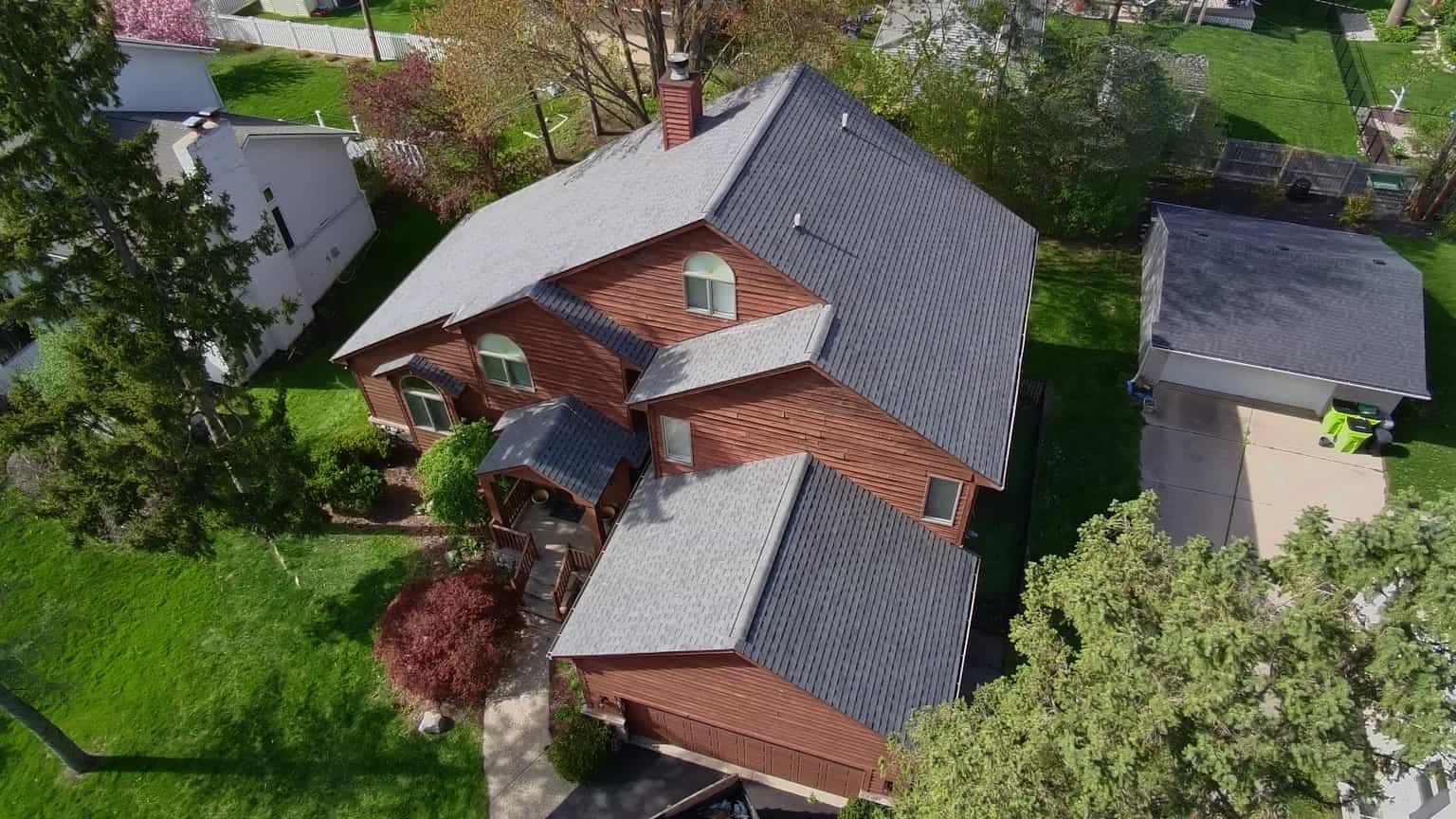
Is Spring the Best Time to Replace a Roof in Michigan?
Spring gets the weather right and the scheduling wrong. Once snow clears, temperatures climb into the 40 to 90°F sweet spot fast, and homeowners can finally see what winter did to the shingles. The problem is that everyone has the same idea at once. On our own call data, March already runs at 90 new inquiries and April jumps to 140, our second busiest month of the year. If your roof can wait a few more weeks, calling in February instead of April puts you ahead of that curve. We cover the full month-by-month booking picture in our roofer scheduling guide rather than repeating it here.
Is Summer the Best Time to Replace a Roof in Michigan?
Summer gives shingles the easiest possible conditions to seal. Heat and direct sun activate the adhesive strip quickly, often within hours of the shingle going down, so there is no hand-sealing step and no waiting on the bond to set. The tradeoff is the other end of GAF's range: once surface temperatures climb past 90°F, shingles can become soft enough to scuff or dent under foot traffic, so crews walk more carefully and schedule tear-offs for the cooler part of the day on the hottest weeks. June tends to be one of our calmer scheduling months, sitting between the spring rush and late-summer storm season, so it is a genuinely good window on both counts: easy sealing weather and a lighter calendar.

Is Fall the Best Time to Replace a Roof in Michigan?
Fall is the season most roofers, us included, would pick if given no other constraints. Daytime temperatures usually sit in the sealing sweet spot, humidity drops, and a roof installed in September or October gets a full season to seal completely before the first hard freeze tests it. The catch is that homeowners who wait until the first cold snap to call are competing with everyone else doing the same thing, and a roof that needs replacing before winter should not sit on a waitlist. If your roof is already showing granule loss, soft spots, or active leaks, book the inspection in late summer rather than waiting for the leaves to turn.
Can You Replace a Roof in Winter in Michigan?
Yes, on the right day. Winter is our quietest season for new inquiries, January and February combined are a fraction of April's call volume, which generally means more open slots on the schedule. What changes is not whether we can work, but how. Every winter installation follows GAF's cold-weather steps: shingles stored warm before they go up, hand-sealing wherever the adhesive strip will not activate fast enough on its own, and no crew walks a roof covered in snow or ice. Some days the forecast simply does not cooperate and the job moves to the next dry, above-freezing window. We cover the full list of what we can and cannot safely do on a winter roof in our winter roof prep guide.
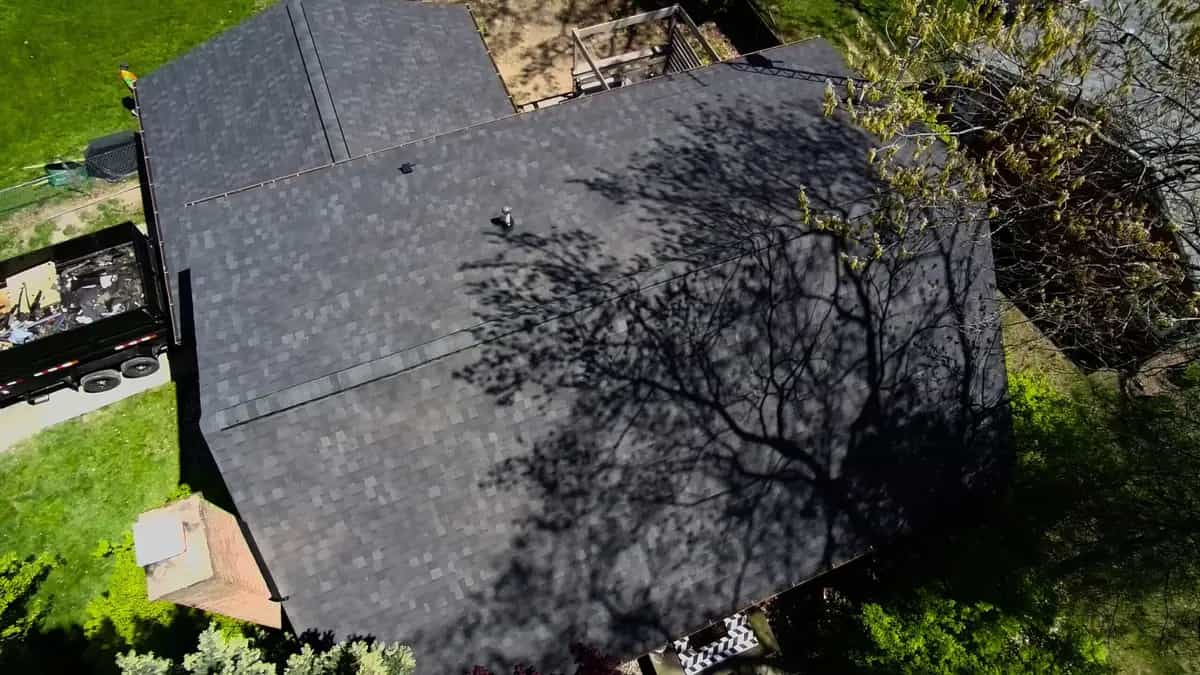
When Do Most Michigan Roofs Actually Get Worked On?
Booking a roof and getting it installed are two different clocks, and our own data shows the gap between them. New inquiries peak early in the season, April most years, but inbound customer texts, the day-of logistics messages about dumpsters, deliveries, and crews on site, climb on a different curve entirely: 201 in January, 1,080 by April, and up to 2,030 in August. In other words, homeowners call us to book in spring, but a large share of the actual tear-offs and installs happen through the summer and into fall, once the spring backlog works its way through the schedule. If you are trying to time a replacement around good weather rather than good scheduling, aim your call for late winter so the work itself lands in the reliable May-through-October window.
| Season | Sealing conditions | Scheduling | Main tradeoff |
|---|---|---|---|
| Spring (Mar to May) | Improves fast once snow clears | Busiest stretch; April is a peak month | Good weather, longer wait |
| Summer (Jun to Aug) | Fast, easy sealing; watch for 90°F+ softness | June is lighter; late summer storms add demand | Easiest install, but afternoon heat care needed |
| Fall (Sep to Nov) | Ideal range most days | Fills up as homeowners react to summer wear | Best overall, book early |
| Winter (Dec to Feb) | Hand-sealing required below 40°F | Lightest scheduling of the year | Shortest wait, weather-dependent days |
Does the Time of Year Change the Price?
Not officially, no. We do not publish a winter discount or a peak-season surcharge, and you should ask any roofer directly whether their price actually changes by season rather than assuming it does. What timing does change is availability of the schedule, not the number on the quote. If cost is the main driver behind your timing, our Michigan roof replacement cost guide breaks down real project prices and what actually moves the number, and our financing page covers current plans if spreading the cost makes more sense than waiting for a particular month.
What If Your Roof Cannot Wait for the Best Season?
None of this is a reason to delay a roof that is actively failing. A soft spot, active leak, or storm-damaged slope needs attention regardless of the calendar, and we replace roofs through every month of the year for exactly that reason. If a storm just opened up your roof, our emergency planning guidance and emergency tarping service cover what to do in the first hours, with a permanent repair scheduled for the next workable weather window rather than left until spring.
Our Standard, Every Season
A roof we install in January gets the same build as one we install in July: 6 feet of ice and water shield at every eave, well past the Michigan Residential Code minimum, cap nails instead of staples so wind cannot tear the underlayment, and a ventilation analysis on every estimate regardless of the month. A project manager is on site for every job, we do not take deposits, and every quote includes several price points so you are choosing a roof, not just a date on the calendar.
We serve Southeast Michigan from offices in Oxford, Ferndale, and Rochester Hills. See real project pricing and photos in our job gallery, or schedule a free inspection whenever your roof needs it, not just when the calendar says it should.
Frequently Asked Questions
What is the best month to replace a roof in Michigan?
September and October tend to be the best balance of weather and timing: daytime temperatures usually stay in the ideal sealing range and the roof gets a full season to bond before winter. June is a close second, with easy sealing weather and a lighter scheduling calendar between the spring rush and late-summer storm season.
Can a roof be replaced in the winter in Michigan?
Yes. We replace roofs through the winter on dry days above freezing, following the shingle manufacturer's cold-weather guidance, which includes storing shingles warm before installation and hand-sealing where the self-sealing strip will not activate fast enough on its own. Crews will not walk a roof covered in snow or ice, so winter schedules shift around weather more than warm-season schedules do.
What temperature is too cold to install shingles?
GAF's technical guidance on fiberglass asphalt shingles states there is no strict lower temperature limit as long as precautions are followed, but recommends temperatures above 40°F for the easiest handling. Below that, shingles can become brittle, so crews hand-seal them with roofing cement and store bundles in a heated area above 70°F beforehand to keep them pliable.
Is roofing cheaper in the off-season?
We do not publish a winter discount or a peak-season surcharge, so the price on a quote reflects the roof, not the month. Ask any contractor directly whether their pricing actually changes by season. What does change in winter is scheduling: it is our quietest season for new inquiries, which generally means more open slots.
Do roofers work in the winter in Michigan?
Yes. Inspections, repairs, emergency tarping, and full replacements all continue through a Michigan winter on days the weather allows. What changes is the method, not whether the work happens: cold-weather installation steps like hand-sealing apply, and a crew will wait rather than install shingles on a wet or ice-covered deck.