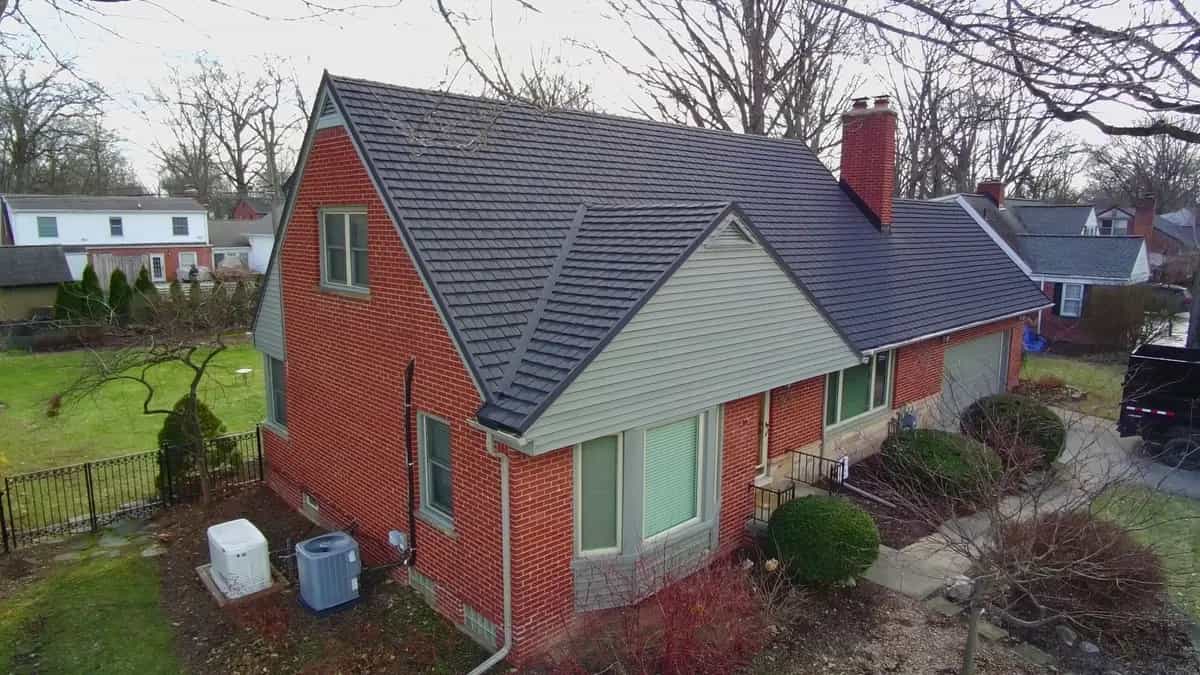
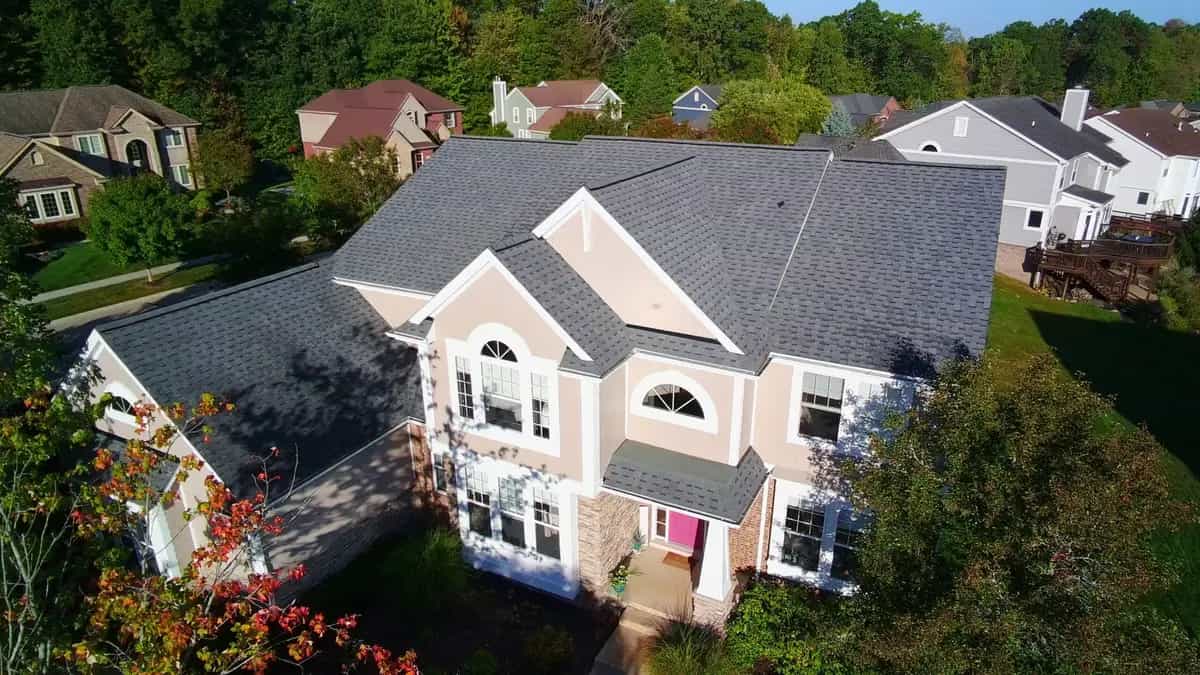
A shingle rejuvenator spray restores some flexibility to aging asphalt shingles with an oil-based treatment, and a roof coating seals an existing flat or metal roof against water. Neither one reattaches lost granules, fixes an active leak, or rebuilds a roof that is structurally failing. Both can make sense on a sound roof that just needs a few more years, and both come with tradeoffs most sales pitches skip over. Here is the honest version.
What Is a Shingle Rejuvenator Spray, and What Does It Actually Do?
Asphalt shingles contain oils that let them stay flexible as the roof expands and contracts with temperature. Over roughly 6 to 12 years of Michigan sun, those oils dry out and the shingles become brittle, which is what leads to cracking and granule loss later in a roof's life. A rejuvenator, the best known brand being Roof Maxx, is a soy-based oil emulsion sprayed onto the shingle surface, where it penetrates a shallow layer of the asphalt and re-establishes some of that lost flexibility. It does not chemically bond to the shingle. It mixes into the existing asphalt the way a moisturizer softens dry skin, and manufacturer materials describe each treatment as lasting around five years, with up to three treatments claimed to add as much as 15 years to a roof's remaining life.
What it will not do is reattach granules that have already fallen off, stop an active leak, fix rotted decking, or rebuild a roof that already has widespread cracking or exposed mat. Rejuvenator makers are explicit that the product is meant for a roof that is still in decent shape, typically 5 to 25 years old, with no major leaks or structural issues. Sprayed onto a roof past that point, it is cosmetic, not corrective.
Does a Rejuvenator Spray or Coating Void Your Shingle Warranty?
This is the part most pitches leave out, and manufacturers are not unified on it. Owens Corning's own technical bulletin on the subject, TB-10028163, issued August 2026, warns that applying a rejuvenator or coating of unknown chemistry to its shingles carries real risk: it can blister, curl, or soften the asphalt to the point it starts to flow down the roof, it can affect the shingle's fire resistance classification, a coating can trap existing moisture and cause long-term defects or premature aging, and foot traffic during application can itself shorten shingle life. Owens Corning's standard shingle warranty separately lists coatings among the post-installation alterations that are not covered. We could not find equivalent published language from GAF or CertainTeed naming rejuvenators specifically, which is not the same as those manufacturers endorsing the practice. If your roof is still inside its manufacturer warranty period, call the manufacturer directly and get the answer in writing before anyone sprays anything on it. Rejuvenator companies will tell you their treatment does not affect coverage; that is their claim to make, not the shingle manufacturer's.
What Does a Roof Coating Do on a Flat or Metal Roof?
Coatings are a different product for a different situation. On flat and low-slope roofs, a silicone or acrylic coating applied over a sound, dry membrane can add 10 to 20 years of service life without a tear-off, which we cover in full, including when a coating is a bad idea, in our flat roof replacement cost guide. We install silicone coatings ourselves on commercial and industrial flat roofs for exactly that reason.
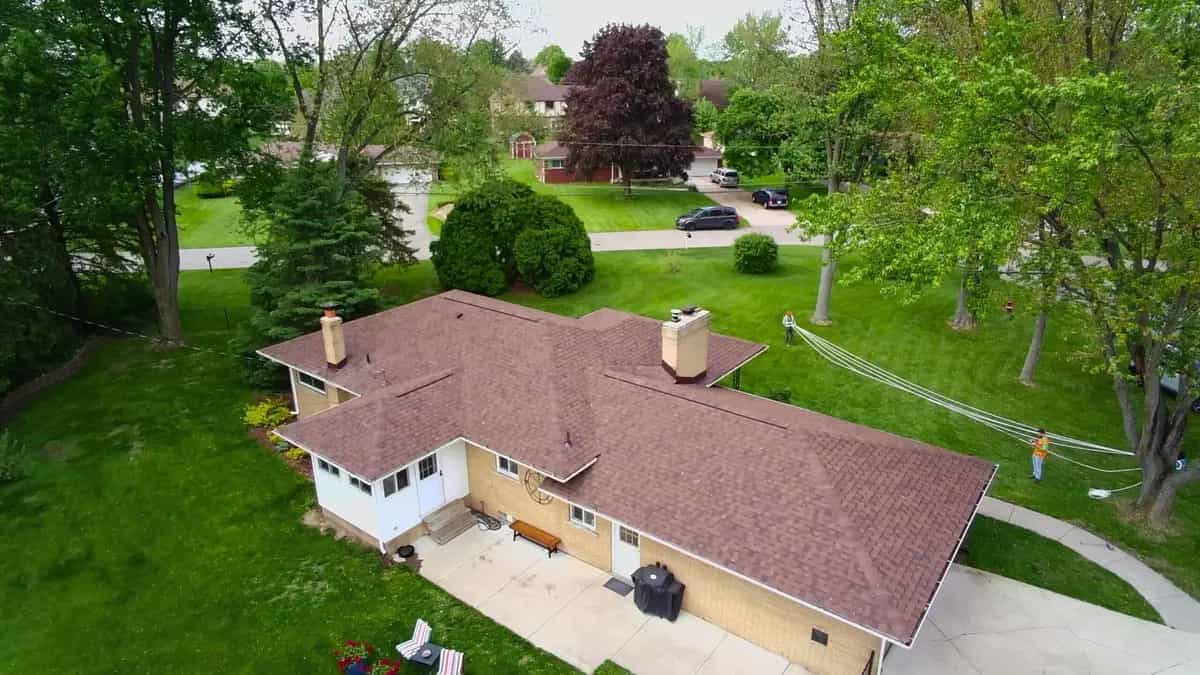
Pole barns and other post-frame buildings bring a third version of this question, since most are roofed in corrugated or ribbed steel panels rather than shingles or membrane. An elastomeric acrylic or silicone coating can renew a faded or chalking panel finish and add some rust protection, and by national pricing guides that work runs roughly $0.50 to $3.00 per square foot for acrylic and $1.50 to $4.50 for silicone, depending on prep and the number of coats. What a coating cannot do is fix a panel that has rusted through, a loose or backed-out fastener pattern, or a seam that is actively leaking. In our experience inspecting older pole barns across Lapeer County and similar rural parts of our service area, by the time a steel roof is showing surface rust across whole panels, fastener failure usually is not far behind, and that is a mechanical problem a coating sprays over rather than solves. At that point we would rather quote a new standing seam or Tilcor stone-coated steel roof, which our metal roof lifetime cost guide breaks down, than sell a coating we expect to fail early.
Rejuvenator, Coating, or Reroof: How the Options Compare
| Option | What it fixes | What it does not fix | Typical cost |
|---|---|---|---|
| Shingle rejuvenator spray | Dried-out, brittle shingles still in good condition | Lost granules, active leaks, rotted decking | Roughly $0.50 to $1.50 per sq ft, per national pricing guides |
| Silicone or acrylic coating (flat roof) | A sound, dry membrane with minor seam or flashing wear | Wet insulation, chronic ponding, torn membrane | $0.50 to $4.50 per sq ft depending on system, see our flat roof guide |
| Metal panel coating (pole barn) | Faded or chalking paint, light surface rust | Rust-through, loose fasteners, leaking seams | $0.50 to $4.50 per sq ft, per national pricing guides |
| Full tear-off and reroof | Everything, including decking and ventilation | Nothing it is designed to address | See our Michigan roof replacement cost guide |
Is a Rejuvenator or Coating Worth It for Your Roof?
It can be, on the right roof. If your shingles are showing early dryness, mild granule loss in a few spots, or you are trying to stretch 5 more years out of a roof before you sell the house, a rejuvenator is a reasonable, relatively cheap bet, as long as you confirm it will not cost you an active manufacturer warranty first. The same logic applies to a flat roof that is dry and sound but tired-looking, or a pole barn with fading paint and no rust-through.
It is not worth it, and we tell callers this directly, once a roof has active leaks, widespread granule loss down to bare mat, soft or spongy decking, or steel panels rusting through. Search any rejuvenator brand by name and you will find a mix of strong reviews and real complaints, which is normal for a service sold through independent local dealers rather than one national crew; read the reviews for the specific company that would actually be on your roof, not just the brand name. We do not sell rejuvenator treatments ourselves. When a roof is past the point where a spray or a coating makes sense, we would rather tell you that plainly and quote the reroof than sell a product we do not expect to hold up.
Get an Honest Read on Your Roof
A free Roofing Army inspection will tell you straight whether your roof is a rejuvenator candidate, a coating candidate, or due for a full replacement, with no obligation either way. We give every customer several quotes at different price points, we do not take deposits, and every project we have completed is published with its real price in our job gallery. If a reroof is the honest answer, financing can spread the cost. We serve Southeast and West Michigan from offices in Oxford, Ferndale, Rochester Hills, Plymouth, and Jenison.
Frequently Asked Questions
Does Roof Maxx or a similar rejuvenator spray really work?
On a roof that is still structurally sound, typically 5 to 25 years old with no active leaks, a soy-based rejuvenator spray does restore measurable flexibility to dried-out shingles by replenishing oils the asphalt has lost to sun and weather. It does not reattach fallen granules, patch leaks, or fix rotted decking. The claimed 15-year lifespan extension assumes up to three treatments roughly five years apart and comes primarily from the manufacturer, not independent long-term studies.
Will a rejuvenator spray void my shingle warranty?
It depends on the manufacturer, and you should get the answer in writing before treating a roof still under warranty. Owens Corning's own technical bulletin and standard warranty list coatings and rejuvenators among the things that can affect coverage, including risks like blistering, curling, or trapped moisture. We could not find published language from GAF or CertainTeed naming rejuvenators specifically, so do not assume silence means approval.
How much does a roof coating cost for a flat roof or pole barn?
By national pricing guides, acrylic coatings run roughly $0.50 to $3.00 per square foot and silicone coatings roughly $1.50 to $4.50 per square foot, whether it is a flat commercial roof or a pole barn's steel panels. Those figures are national ranges, not our own prices. We install silicone coatings ourselves on sound commercial and industrial flat roofs; see our flat roof replacement cost guide for the full breakdown.
Can you coat a metal pole barn roof instead of replacing it?
Yes, if the panels are structurally sound with only faded paint or light surface rust. A coating will not fix rust-through, loose or backed-out fasteners, or a leaking seam. In our experience with older pole barns in rural parts of our service area, panels with widespread surface rust often have fastener problems close behind, which is a mechanical issue a coating does not solve.
Should I get a rejuvenator spray or just replace my roof?
If your roof has active leaks, granule loss down to bare mat, or soft decking, replacement is the honest answer and a rejuvenator will not fix any of it. If the roof is otherwise sound and you just want a few more years, a rejuvenator or coating is a reasonable, lower-cost option. A free inspection is the fastest way to know which category your roof is actually in.