When buying a home in Michigan, check the roof for six things before you close: the age of the shingles, how many layers are on the deck, the condition of the decking, the state of the flashing, warning signs inside the attic, and whether the ventilation is adequate. A general home inspector looks at the roof from the ground or a ladder; a roofer walks it. The difference can be a $15,000 surprise in your first winter.
I am Aaron Scott, licensed Michigan residential builder and owner of Roofing Army. We do pre-purchase roof inspections for buyers across Oakland, Macomb, and Wayne counties, and we see the same pattern every year: a home inspection report that says "roof appears serviceable," followed by a call from the new owner in February. This checklist is what we look at, and what you can check yourself before you spend anything.
What Should a Home Buyer Check on the Roof?
- Age of the roof. Ask the seller for the install date and the invoice. If they do not have one, look for a permit in the city's records; most Southeast Michigan municipalities require one for replacement. An asphalt shingle roof in Michigan is generally in its last years past 20, and past 25 you should budget for replacement regardless of how it looks from the driveway.
- Number of layers. Look at the edge of the roof at the eave or a rake. A second layer of shingles shows as a thick, stepped edge. Two layers means the last "replacement" was an overlay, the decking has not been seen in decades, and the next roof requires tearing off both, which costs more. We never overlay.
- Decking condition. From the ground, look for a wavy or sagging roof plane between rafters. From inside the attic, look for dark staining, soft spots, or daylight through the deck. Rotted decking is replaced by the sheet during a re-roof, and the number of sheets is the biggest variable in the final price.
- Flashing. Chimneys, sidewalls, skylights, and valleys. Rust, lifted metal, heavy caulk, or tar smeared over a joint means someone has been chasing a leak there. Flashing that was reused during the last roof job is often the first thing to fail.
- Shingle condition. Curling, cupping, cracked tabs, bald spots, and moss. Granules piled at the downspout outlets mean the shingles are shedding their protective layer.
- Pipe boots and vents. Cracked rubber pipe boots and rusted box vents are cheap to fix but a sign of deferred maintenance across the whole roof.
- Gutters and drainage. Sagging gutters, downspouts that dump at the foundation, and staining on the fascia behind the gutter all point to water going where it should not.
- Attic warning signs. This is the one buyers skip. Bring a flashlight. Look for water stains on the underside of the deck, rusty nail tips or frost (in cold weather), mold on the sheathing, wet or compressed insulation, bath fans venting into the attic, and insulation stuffed into the eaves blocking the soffit vents.
- Ventilation. Count the intake (soffit vents) and exhaust (ridge, box, or turbine vents). A roof with a ridge vent and no soffit intake is not ventilated. Poor ventilation is why the roof aged early and why the next one will too, unless it is corrected.
- Interior ceilings. Walk every room on the top floor. Faint tan rings near exterior walls and around bathrooms are old leaks. Fresh paint on a single ceiling in an otherwise unpainted house is worth asking about.
What Does a General Home Inspector Miss on a Roof?
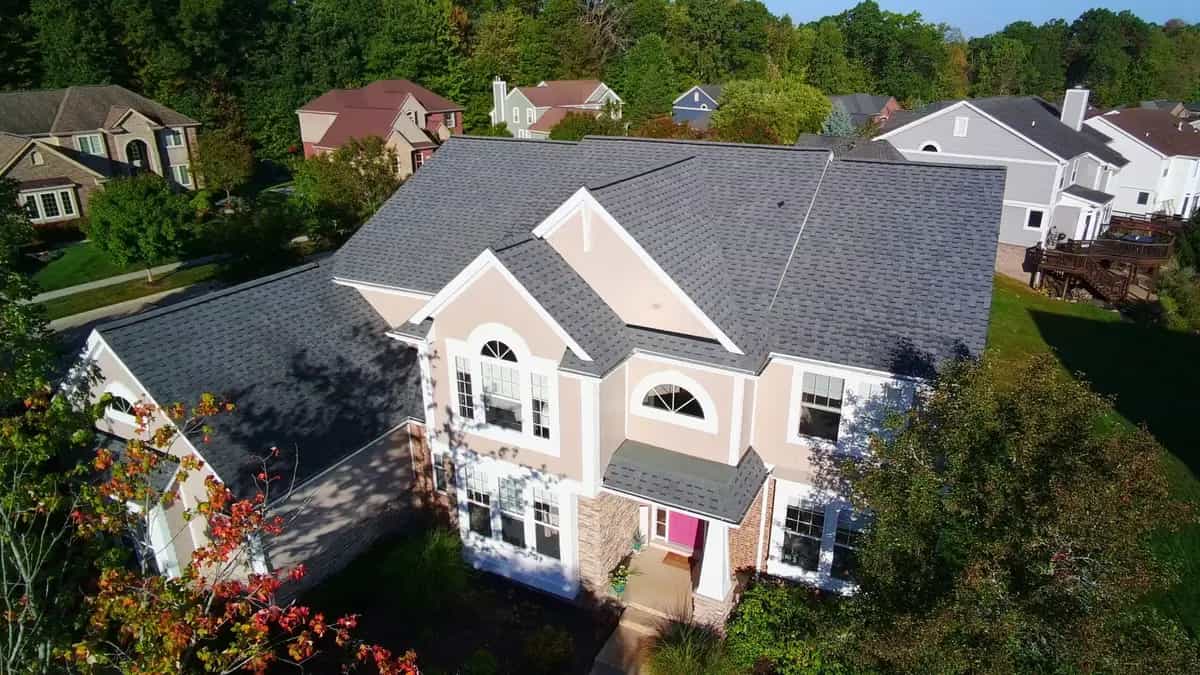
Home inspectors are generalists working through a whole house in a few hours, and most inspection standards allow them to evaluate the roof from the ground, a ladder at the eave, or a drone. They are not required to walk it. That produces reports that are technically accurate and practically useless: "roof covering appears to be near the end of its serviceable life; recommend evaluation by a qualified roofing contractor."
The things that get missed most often, in our experience:
- The second layer. Not visible from the ground on many homes.
- Soft decking. You feel it underfoot; you cannot see it from the yard.
- Flashing that has been tarred over. Looks fine from 30 feet away.
- Hail bruising. Invisible from the ground, and it matters for both the roof's remaining life and any future insurance claim.
- Ventilation problems. A ridge vent installed over uncut decking is a common one; it looks like a vent and vents nothing.
- The attic side. Many inspectors look in from the hatch. Frost, mold, and a bath fan dumping into the insulation are usually 15 feet past the hatch.
None of this is a criticism of home inspectors. It is a reason to add a roof-specific inspection on any house where the roof is more than 10 years old or the report includes that "recommend evaluation" line.
How Much Does a Pre-Purchase Roof Inspection Cost?
Paid standalone roof inspections from third-party services are generally priced in the low hundreds of dollars; industry pricing guides put a standard inspection somewhere around $150 to $400, with drone or detailed reports costing more. A general home inspection in Michigan commonly runs a few hundred dollars on top of that.
Roofing Army's inspection is free, including for buyers. A technician walks the roof, checks the attic, and flies a drone, and every photo goes into a portal you can share with your agent, your lender, or the seller. We do it free because the inspection is how we earn the work if the roof needs it, and we will tell you plainly if it does not. On plenty of pre-purchase inspections the answer is "this roof has 8 to 10 years left, here are the two small repairs to do this fall," and the buyer closes with confidence.
How Do You Use the Roof Inspection in Negotiations?
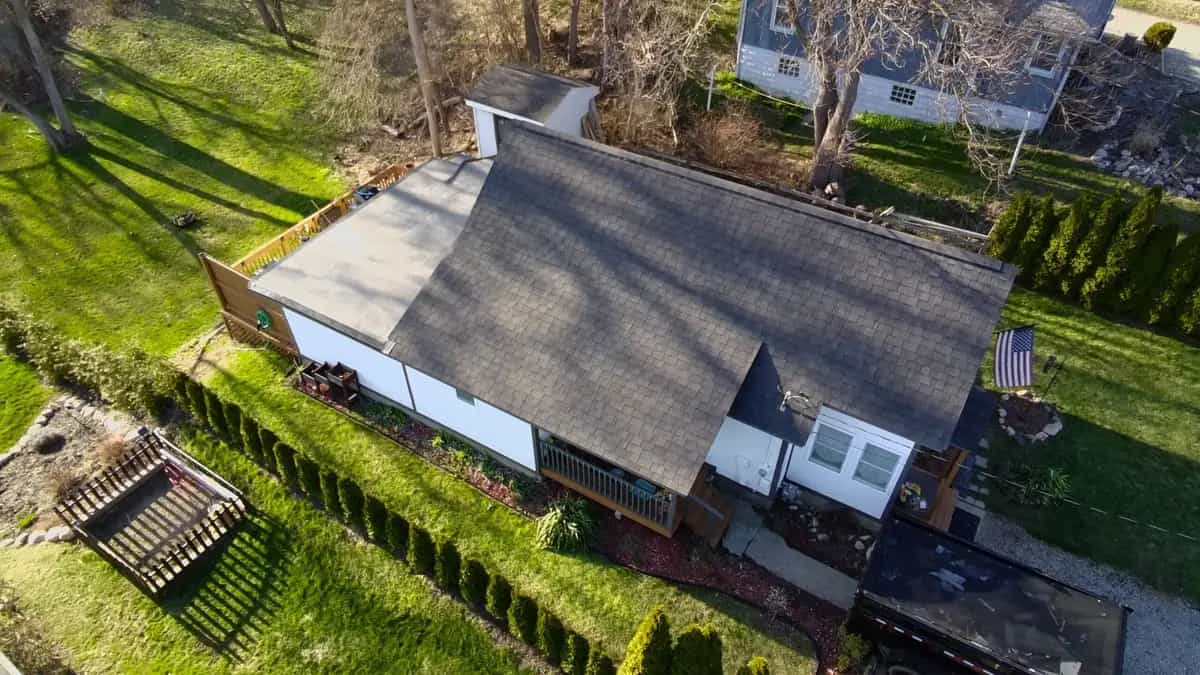
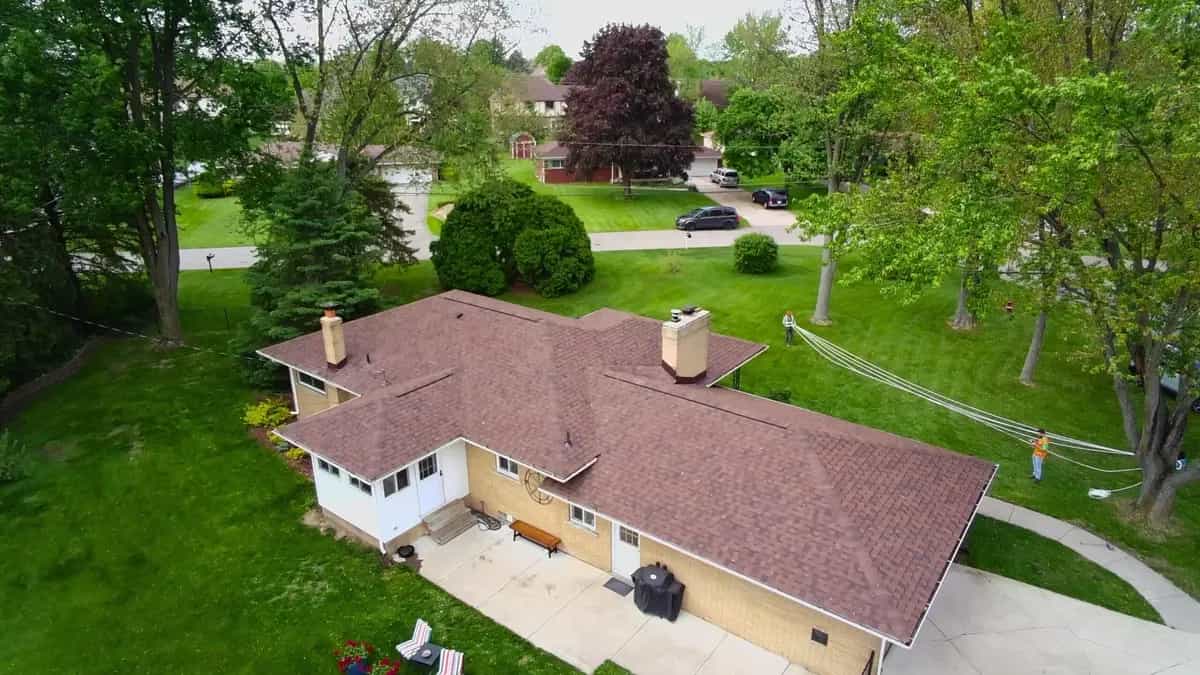
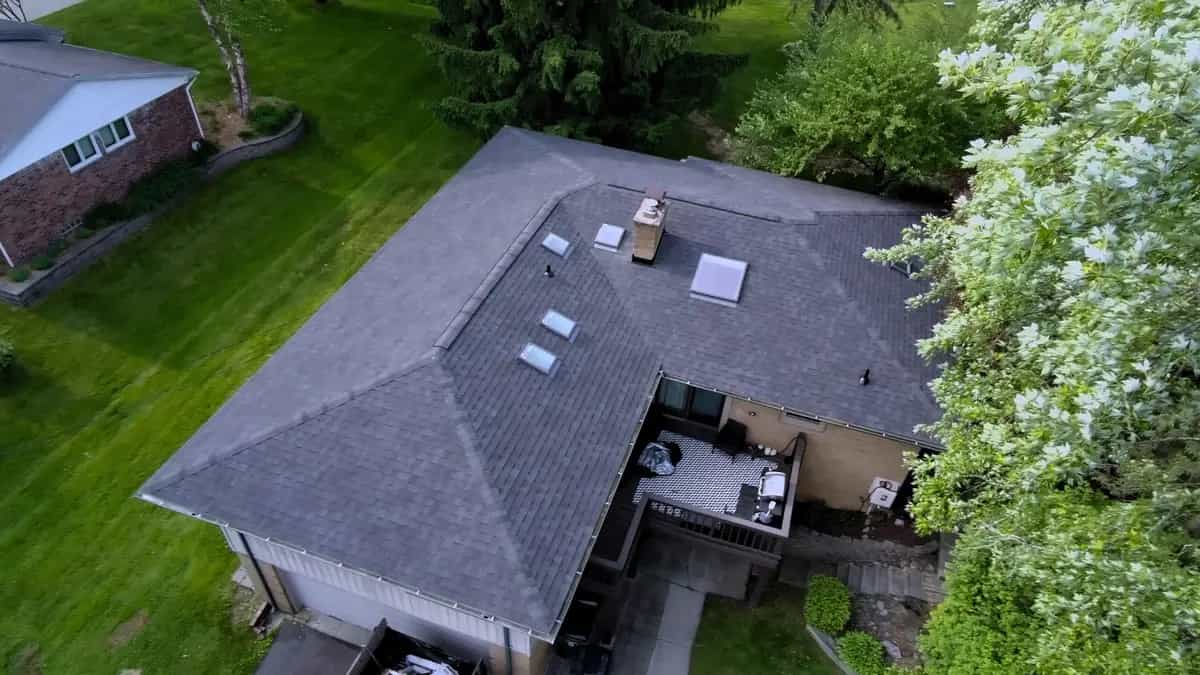
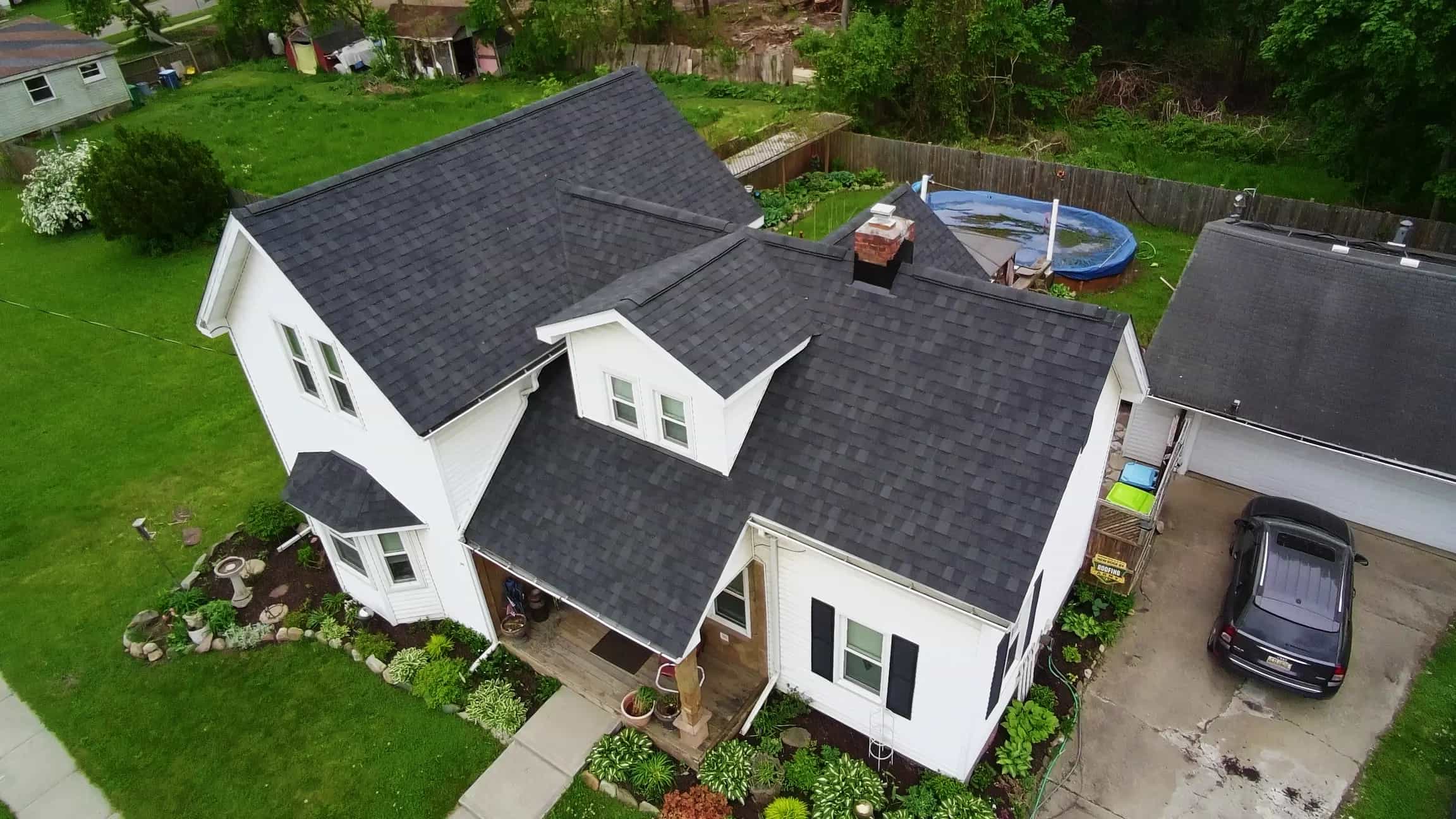
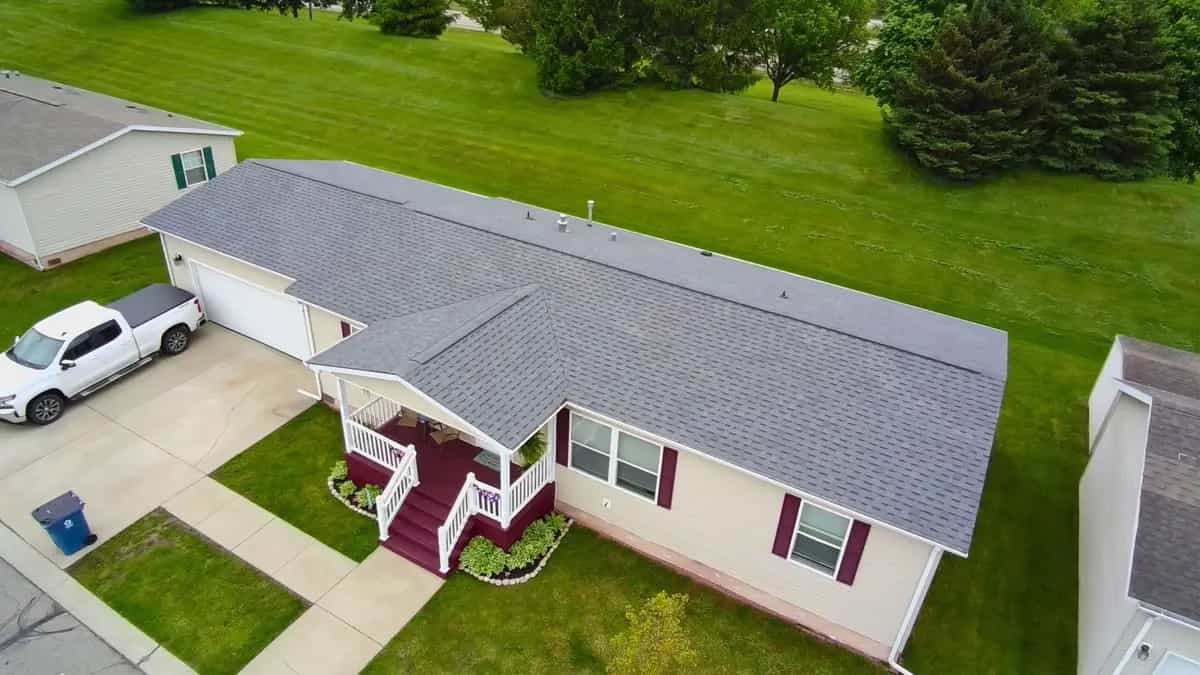
A documented roof inspection with photos and a real replacement price is one of the strongest negotiating tools a buyer has. Vague language ("roof is old") gets you nothing. A drone photo of three layers, soft decking, and tarred flashing, with a written estimate attached, gets you a credit or a price reduction.
Make the estimate real. Every roof we install is priced in public in our job gallery. A full replacement at 2251 Columbia Road in Berkley, a 1,567 square foot roof, was $13,968.47. 26 West Street in Oxford, 1,440 square feet, was $11,904.27. 30145 Fairfax Street in Southfield, 2,091 square feet, was $13,699.80. If the house you are buying in Ferndale or Plymouth has a similar roof, those numbers are what you are negotiating over.
When the roof needs replacing, we give buyers the same five quotes at different price points that we give any homeowner, with the same installation standards on all of them: full tear-off, 6 feet of ice and water shield at the eaves, cap-nailed underlayment, new pipe boots, a ventilation analysis, and a 50-year workmanship warranty. We never take a deposit, our crews are in-house, and a project manager is on site for every job.
Repair, Replace, or Walk Away?
Most roofs on the market fall into one of three groups. A roof under 15 years old with isolated flashing or pipe boot issues is a roof repair, usually a few hundred to a couple thousand dollars, and not a reason to renegotiate much. A roof past 20 years, or one with multiple layers or decking problems, is a roof replacement that belongs in the negotiation. A roof with structural sagging, widespread rot, or long-term interior water damage is a reason to bring in a structural evaluation before you decide anything. Our repair-or-replace framework lays out how we make that call, and it applies to a house you are buying just as well as one you own.
If you are under contract on a house anywhere in Southeast Michigan and the inspection period is ticking, book the free roof inspection now. We can usually get a buyer on the schedule within days, and the report is yours whether or not you ever hire us.
Frequently Asked Questions
Does a home inspection include the roof in Michigan?
A general home inspection includes a visual evaluation of the roof, but most inspection standards allow the inspector to assess it from the ground, a ladder, or a drone rather than walking it. That misses layers, soft decking, tarred flashing, hail bruising, and attic-side problems. On any roof over 10 years old, add a roof-specific inspection.
How can I tell how old a roof is before buying a house?
Ask the seller for the installation invoice or warranty registration, and check the city building department for a roofing permit, which most Southeast Michigan municipalities require for replacement. Physically, curling and bald shingles, heavy granule loss, and cracked pipe boots point to a roof in its last years. An inspection can narrow the estimate.
Is a roof with two layers of shingles a problem?
It is a cost you should know about. Two layers mean the last roof was an overlay, the decking has not been inspected in decades, and the next replacement requires tearing off both layers, which adds labor and disposal cost. It also often hides flashing and ventilation problems. Get a real replacement estimate before you close.
Can I negotiate the price of a house because of the roof?
Yes, and a documented inspection makes it far more effective. A written report with roof-level photos and a real replacement price gives you a specific number to ask for as a credit or reduction. Our inspection is free and the report, including drone photos, is yours to share with your agent and the seller.
Should I skip a roof inspection if the seller says the roof is new?
No. A new roof can be installed badly: overlaid rather than torn off, flashing reused, ventilation ignored, underlayment stapled. Ask for the invoice and permit, then have the installation checked. A short inspection on a new roof confirms you are getting what the seller says, and it is free.