A roof mounted satellite dish or TV antenna has to come down before tear off starts, since it is bolted through the decking that is about to be removed. The roofer takes it down and sets it aside. Whether it goes back up in the same spot, a new spot, or stays off for good is your call, and reconnecting the signal itself is on you or your provider, not the roofing crew.
I am Aaron Scott, licensed Michigan residential builder and owner of Roofing Army. On our own customer calls and texts this year, 52 are specifically about the satellite dish before a job starts, and another 13 come in after the job asking why the dish was not put back up the way the homeowner expected. That second number is the one worth paying attention to. It usually is not a roofer being careless. It is a decision nobody made out loud before the crew tore off that slope. Here is how to make sure you are not in that second group.
Why Does the Dish Have to Come Off Before a Roof Replacement?
A satellite dish mount and most antenna masts are lag bolted straight through the shingles and decking into the rafters below. That decking is coming off during tear off, mount and all, whether anyone plans for it or not. So the dish comes down first, on purpose, rather than getting torn off with the old shingles. We cover the driveway, dumpster, and the rest of what happens on the day itself in our guide to roof replacement day. This post goes deeper on the dish and antenna piece specifically, since it is one of the most common logistics questions we get and one of the easiest things to get wrong if nobody flags it ahead of time.
Who Puts the Dish Back Up, the Roofer or the Provider?
This is the part homeowners are usually surprised by. A roofer can physically set a dish back on the roof and bolt the mount down. What a roofer generally cannot do is point it. Satellite dishes need to be aimed at a specific satellite within a fraction of a degree, and that alignment is done with a signal meter the provider's technician carries, not standard roofing tools. Several DIRECTV customers have reported losing HD channels or signal entirely after a roofer reinstalled a dish without realigning it, and needing a separate provider visit to fix it anyway.
The more reliable path, and the one roofing trade publications increasingly recommend, is to have the roofer remove the dish and mount as a unit and set it aside, then call your provider to schedule a reinstall or relocation visit once the roof is finished. Ask specifically for a relocate or reinstall appointment, not a general repair call, and ask whether that visit carries its own charge. Providers handle this differently, and it is worth confirming before the truck shows up rather than after.
We follow the same logic on our jobs. We take the dish down before that slope is torn off, and at the end of the job it goes back up in the same spot, a nearby spot that keeps the same line of sight, or stays off, whichever the homeowner wants. We tell you this is a decision up front, during the estimate or before the crew starts, exactly as covered in what to expect on replacement day. Getting the signal itself working again is on you or your provider, not the roofing crew, the same as reconnecting cable or internet after any exterior work.
Does Reinstalling a Dish in the Old Holes Damage a New Roof?
It can. The original mounting holes do not line up with anything special about a new shingle, and a mount that gets bolted straight back through fresh shingles is only as weatherproof as the sealant around those bolts. Wind works a roof mounted dish constantly, which loosens bolts over years, and a loose mount sitting on a brand new roof is a slower version of the same leak risk that got discussed on the old one. Roofing trade press has flagged the same issue from the installer's side: running lag bolts straight through new shingles to remount a dish can create a penetration point the shingle manufacturer never accounted for, which is one more reason a provider's purpose built, non penetrating mounting hardware is often the better long term choice over a roofer simply bolting the old footplate back down.
If you do want the dish remounted in the same general area, ask whoever does the work to anchor into a rafter rather than decking alone, and to reseal the penetration properly rather than relying on whatever caulk was already there. This is a small detail, but it is the difference between a mount that holds for the life of the roof and one that starts a slow leak in three years that nobody connects back to the dish.
What About an Over-the-Air TV Antenna?
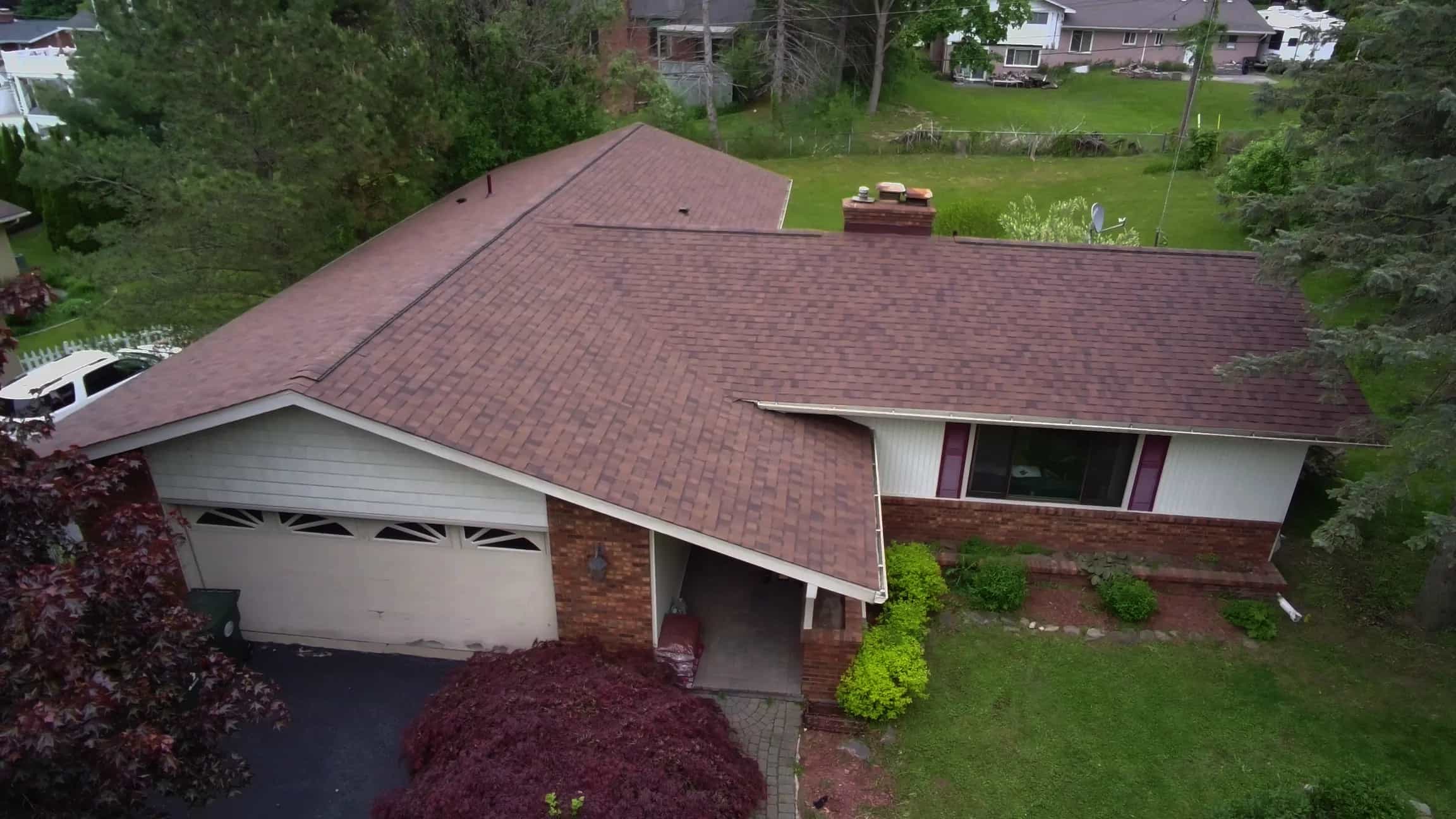
Everything above applies to an OTA antenna mast too, with one added wrinkle: masts are often taller and the flashing boot around the base matters more, since a mast flexes in wind more than a flat dish does. The base needs a proper roof flashing, not just a bead of sealant around a pipe, and the mount needs to land on a rafter, not just decking, for the same reason a dish mount does. Unlike a satellite dish, nobody from a provider is coming to realign an antenna, since there is no subscription account behind it. Reinstalling or repositioning it is on you or whoever you hire, so if the antenna was borderline on reception before the roof went on, this is a reasonable point to ask whether a slightly different spot or a taller mast would pull in a cleaner signal on the new roof.
Can an HOA or Landlord Stop Me From Having a Dish or Antenna?
Mostly no, within limits. The FCC's Over-the-Air Reception Devices rule, 47 C.F.R. Section 1.4000, protects a homeowner's right to install and use a satellite dish one meter or less in diameter, or a broadcast or wireless cable antenna, in any area where they have exclusive use, which covers most single family roofs and yards. An HOA, condo association, or landlord generally cannot flatly ban a dish or antenna, charge an unreasonable fee for having one, or impose a rule that meaningfully degrades the signal you can receive. What they can still do is reasonable: steer you toward a specific mounting location, as long as that spot still gets an acceptable signal and does not cost you more to use, and they can enforce legitimate safety or, in some cases, historic preservation restrictions. The rule does not reach common areas you do not control, such as a shared condo roof.
Practically, this matters most when you are deciding where the dish or antenna goes back after a roof replacement. If your HOA has a preferred location on file, that is the moment to settle it, rather than putting the mount back exactly where it was out of habit and dealing with a complaint letter later.
Reinstall, Relocate, or Get Rid of It?
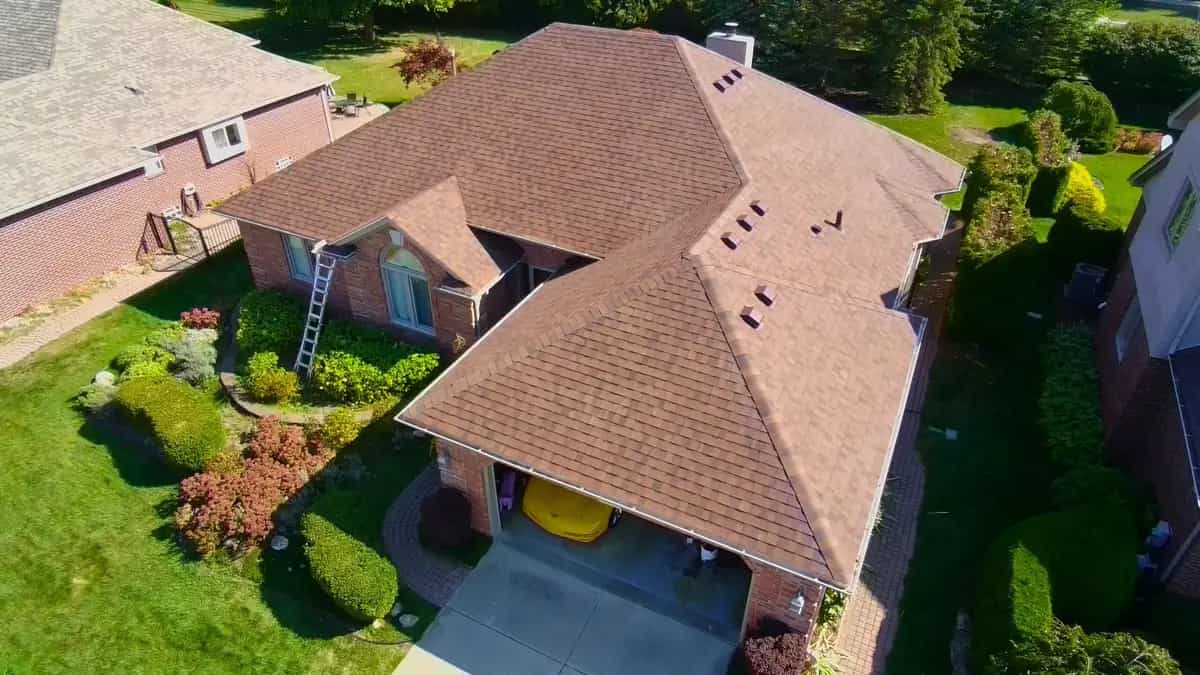
By the time a roof comes off, plenty of homeowners have already switched most of their viewing to streaming and only kept the dish out of inertia. This is a reasonable point to actually decide, rather than defaulting to putting everything back exactly where it was.
| Option | When it makes sense | What to watch for |
|---|---|---|
| Reinstall in the same spot | You still use the service and the old spot had a clean signal | New penetration, rafter anchoring, provider realignment |
| Relocate to a new spot or a pole | The roof slope location was always a compromise, or an HOA prefers a different spot | Cable or coax run to the new spot, line of sight to the satellite |
| Leave it off | You have moved to streaming and no longer use the provider | Cancel the account if you have not already; a dead mount left on a roof is still a penetration point |
How to Avoid the "Dish Was Supposed to Go Back Up" Problem
Almost every version of this complaint traces back to the same root cause: the decision got made silently, by default, instead of out loud, before the crew started. A short checklist fixes it.
- Decide before the crew arrives. Tell your project manager whether the dish or antenna is going back up, going up somewhere else, or staying off, before that slope gets torn off.
- Call your provider ahead of time if you want it reinstalled. Ask for a relocate or reinstall appointment, confirm whether it carries a charge, and schedule it for after the roof is finished.
- Flag any HOA preference on mounting location. Settle it before the mount goes back up, not after a complaint letter.
- If you are discarding it, say so clearly. Otherwise the mount and old cabling often just sit there because nobody told the crew it was fine to haul it off.
- Get the physical remount and the signal reconnect on two separate to-do lists. The roofer handles the first. You or the provider handles the second. Conflating the two is where the surprise usually comes from.
What We Do Differently
A Roofing Army project manager is on site for every job, which means there is one person asking about the dish or antenna before tear off starts rather than a crew making the call on the roof in the moment. We use in-house crews, not subcontractors, we never ask for a deposit, and every homeowner gets five quotes at different price points on the same measured roof before any of this starts. Small logistics details like this one are part of why a project manager walks every job, not just the shingle specs.
If you are still comparing contractors before booking a date, see what belongs on a real quote in what is included in a roof replacement quote, and what the rest of replacement day actually looks like in our full walkthrough of dumpster, driveway, and the rest. We publish the real price of every completed project, with the address and square footage, in our job gallery. We serve Southeast Michigan from offices in Oxford, Ferndale, and Rochester Hills. See our roof replacement page for how we build a roof, or schedule a free inspection to get a date on the calendar.
Frequently Asked Questions
Does my satellite dish have to come off before a roof replacement?
Yes. It is bolted through the decking that is being torn off, so it has to come down before work starts on that slope. The roofer removes it and sets it aside; what happens to it after that, reinstall, relocate, or leave it off, is your decision.
Will the roofer put my satellite dish back up and get my channels working again?
A roofer can physically remount the dish, but aiming it at the correct satellite usually takes a signal meter the provider's technician carries. The more reliable approach is to have the roofer remove and set the dish aside, then schedule a reinstall or relocation visit with your provider once the roof is done.
Can my HOA ban a satellite dish or antenna?
Generally not entirely. The FCC's Over-the-Air Reception Devices rule, 47 C.F.R. Section 1.4000, protects a homeowner's right to a satellite dish one meter or less in diameter, or a broadcast antenna, in an area where they have exclusive use, such as their own roof or yard. An HOA can still steer you to a specific location as long as the signal stays acceptable, and it can enforce legitimate safety rules.
What happens to my TV antenna during a roof replacement?
Same process as a satellite dish: it comes down before tear off since the mast is bolted through the decking. Reinstalling needs a proper flashed boot at the base and anchoring into a rafter, not just decking. There is no provider technician to realign an antenna afterward, so repositioning for better reception is on you or whoever you hire.
Should I just get rid of my satellite dish when I replace my roof?
If you have already switched to streaming and are not using the provider account anymore, a roof replacement is a reasonable time to leave the dish off for good rather than remounting hardware you do not use. If you are keeping the service, decide before the crew starts whether it goes back in the same spot or a new one.