A wildlife company handles the live animal: trapping, one-way exclusion doors, and timing the job around nesting season. A roofer handles the hole the animal used, the damage left behind, and sealing the roof so the next animal cannot get in the same way. Most homeowners need both, in that order, not one or the other.
I am Aaron Scott, licensed Michigan residential builder and owner of Roofing Army. A Roofing Army project manager inspects every roof we touch, and animal entry points are part of that check, right alongside flashing and decking. We get calls about bats, squirrels, raccoons and birds in the roof every year, 54 of them across our calls in 2026 alone, with the sharpest spike in August. Here is how to tell what got in, what Michigan law actually says about it, and which company fixes which part of the problem.
How Do Animals Get Into a Michigan Roof?
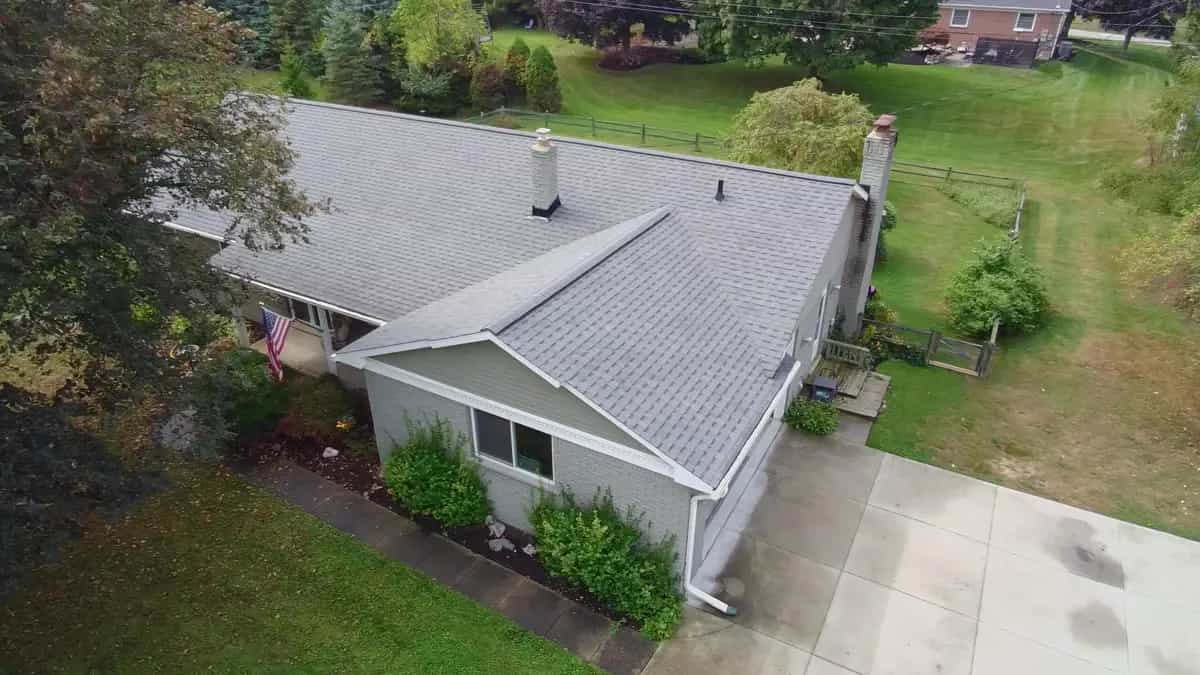
Every animal that gets into an attic used an opening that was already there, usually one that started small and got worse. The entry points we find over and over are the same handful of spots:
- Soffit gaps and damaged vent screens. Perforated soffit panels and vent screens keep animals out while letting air in. Once a screen rusts through, pulls loose, or a corner of soffit rots and drops, that opening is an invitation.
- Rotted fascia behind a failing gutter. Water running behind the gutter softens the fascia board the gutter is nailed to, and soft wood is easy for a squirrel or raccoon to widen with its teeth and claws. We cover the water side of this problem in our guide to rotted fascia and soffit damage.
- Chimney flashing and uncapped chimneys. A chimney without a cap is an open chute, and loose or lifted step flashing around the base leaves a gap into the attic space next to it. See our guide on chimney flashing, crown and cricket problems for the water-damage version of the same weak point.
- Roof and ridge vents with a broken or missing screen. Ridge vents, box vents and gable vents all move air for the attic, and all of them rely on a screen or baffle to keep animals out while doing it. We walk through how those vents are supposed to work in our guide to ridge vent vs box vents.
- Pipe boots and roof penetrations. Less common, but a chewed pipe boot gasket is a real entry point. We have started installing metal critter guards over exposed boots on reroofs in heavily wooded yards for exactly this reason. More on pipe boots in our pipe boot and vent stack guide.
Bats need the least room of any of them: the Michigan DNR notes they can fit through holes as small as one-half of an inch, smaller than a finger. Squirrels and raccoons need more room, but they chew wood, foam and plastic to get it, so a pencil-sized gap in a soffit corner does not stay that size for long.
How Can You Tell What Animal Is in Your Roof?
You usually cannot see the animal, but the sound, timing and location tell you most of what you need to know.
| Animal | What you hear | When | Where |
|---|---|---|---|
| Squirrels | Fast scratching, running, chewing | Daytime, dawn and dusk | Soffits, eaves, roofline |
| Raccoons | Heavy thumping, rolling, low growling | Mostly at night | Attic, chimney, roof edge |
| Bats | Faint scratching or squeaking, almost silent | Dusk and dawn, as they leave and return | Soffit edges, gable vents, chimney |
| Birds | Chirping, fluttering, twig sounds | Daytime, often early morning | Vents, chimney flue, under eaves |
A single scratch after a windy night is probably just a branch. Scratching or movement that repeats at the same time of day, especially if it is paired with a stain, a smell, or visible droppings near a vent, is an animal.
Are Bats, Squirrels and Raccoons Protected Under Michigan Law?
This is where a lot of homeowners get bad advice, so here is what the Michigan DNR actually publishes on each species.
Bats are protected. The DNR states plainly that lethal control of bats is not permitted except for human safety issues. The approved method is exclusion: install one-way doors that let bats leave but not return, then permanently seal the opening with durable materials such as hardware cloth, caulk or metal flashing once they are gone. The DNR specifically warns against excluding bats during the maternity season, typically May through mid-August, because it can trap flightless young inside the structure. If bats are creating a health or safety concern, the DNR directs homeowners to a nuisance animal control company for lawful exclusion, or to apply for a permit if lethal removal is genuinely necessary.
Squirrels and raccoons are not protected the same way. Per the DNR, a property owner or their designee may lethally remove a squirrel or raccoon without a hunting or trapping license if it is doing damage or imminently could. Most homeowners choose humane exclusion instead, the same approach the DNR recommends for prevention on both species: seal entry holes with durable materials like metal flashing or hardware cloth, cap the chimney, keep vent screens intact, and trim limbs back from the roofline.
Most wild birds are protected federally. The Migratory Bird Treaty Act covers the great majority of native North American birds, which means an active nest with eggs or young generally cannot be removed or disturbed until the birds have finished nesting and moved on. The common exceptions are non-native species intentionally introduced to North America, like European starlings, house sparrows and rock pigeons, which are not covered by the Act. If you are not sure what is nesting in a vent or chimney, that is a question for a wildlife professional before anyone touches it.
None of this is legal advice for your specific situation, and Roofing Army does not trap, exclude or handle live animals. This is simply what the state's own guidance says, so you know what a wildlife company should be telling you.
What Does a Wildlife Removal Company Do?
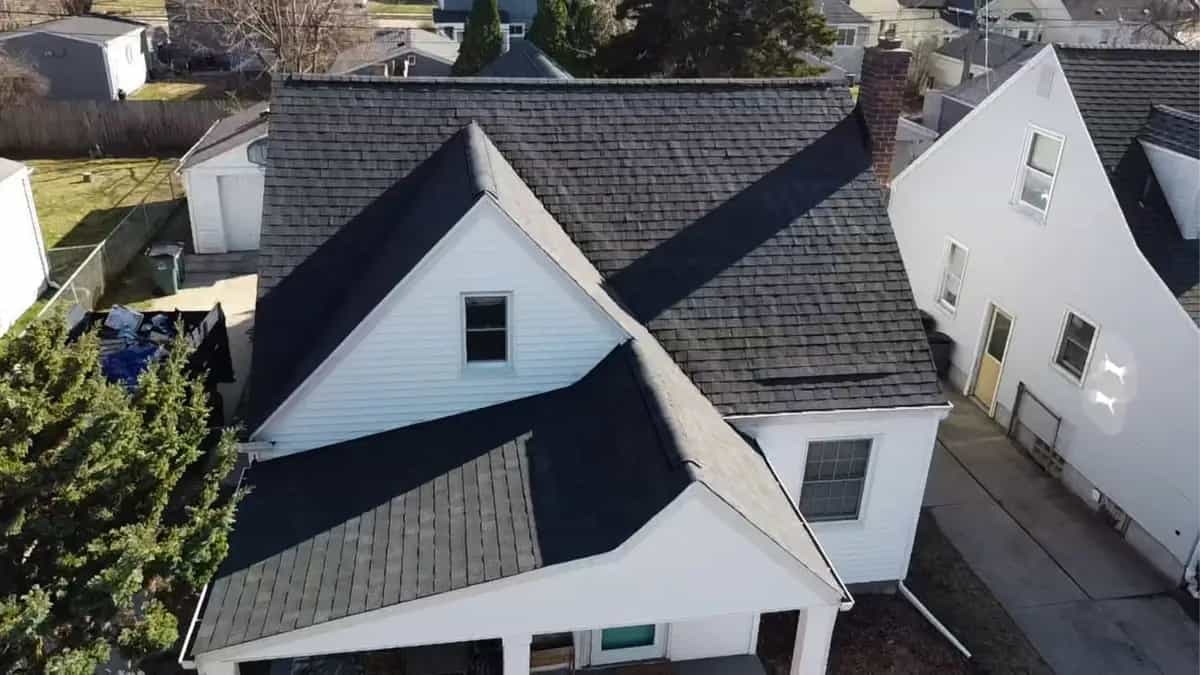
A licensed nuisance wildlife company handles everything involving the live animal: confirming the species, installing one-way exclusion doors or traps, timing the work around nesting season, and sometimes decontaminating insulation that droppings have soaked into. They decide when it is safe to seal an opening, because sealing a hole while young animals are still inside traps and kills them, which creates a worse problem than the original one.
Roofing Army does not do this work, and we tell every caller that up front. If an animal is still in the roof right now, call a wildlife company first.
What Does Roofing Army Fix Once the Animal Is Gone?
Once the wildlife company confirms the attic is clear, the roof side of the job is ours. That typically includes:
- Permanently sealing the entry point with metal flashing, hardware cloth or new soffit material, not caulk alone, since caulk is exactly what a squirrel chews through first.
- Replacing or repairing damaged soffit and fascia where rot or chewing widened the original gap. See our guide on rotted fascia and soffit repair for how we price that work.
- Rebuilding chimney flashing and installing a proper chimney cap where one is missing.
- Replacing damaged vent screens or whole vents on ridge vents, box vents and gable vents, matching the intake and exhaust balance the attic needs.
- Checking the decking from inside the attic for any chewing, staining or soft spots the animal left behind, and replacing sheets where needed.
What we do not do is guess at the fix. A squirrel that chewed one soffit panel needs a different repair than a raccoon that tore open a chimney cricket, and the right fix depends on what is actually there once the animal and the wildlife company are both gone.
What Does It Cost to Fix an Animal Entry Point on a Michigan Roof?
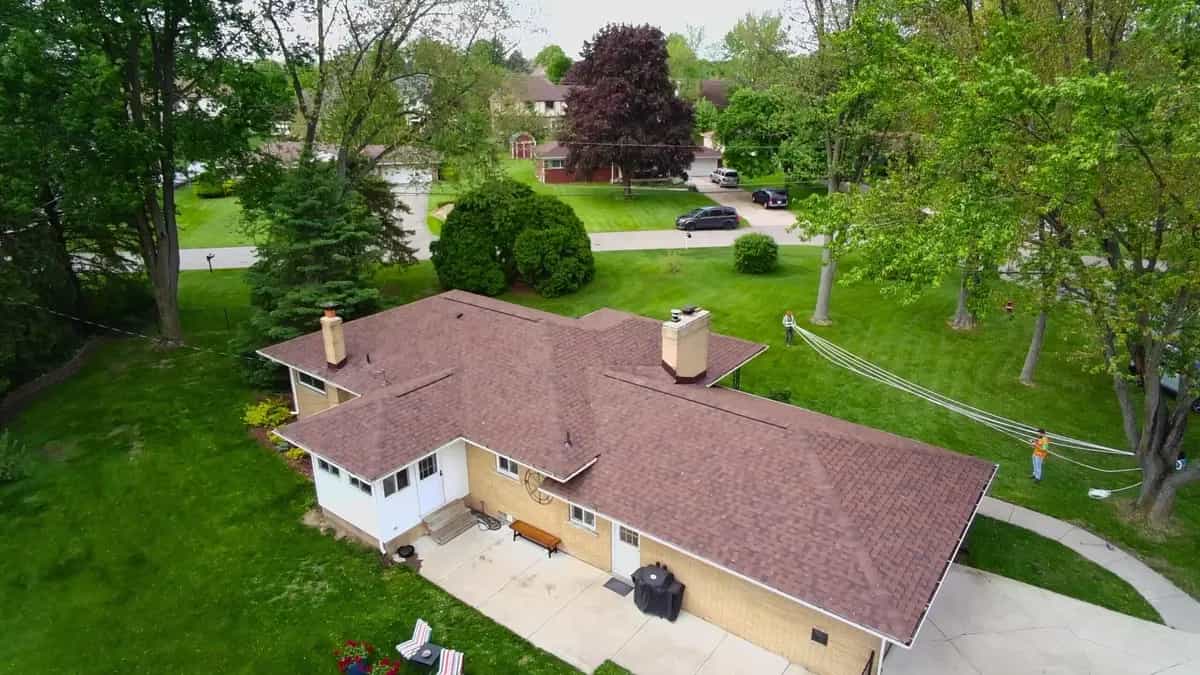
This is roof repair work, priced the same way we price any repair: by what is actually damaged, not a flat per-animal fee. Across every repair we price in a given year, the typical small, contained fix runs $250 to $600, with a $250 minimum service charge, and the median repair that actually gets booked is $900. Our full numbers and what drives a repair toward the higher end are in what roof repairs cost in Southeast Michigan. A single chewed soffit vent with no decking damage tends to land near the low end of that range. A raccoon that tore open a chimney cricket and soaked the decking underneath costs more, closer to the cost of rebuilding that section of roof.
That price is separate from whatever the wildlife company charges for trapping, exclusion devices and any insulation cleanup, which is a different trade with its own pricing.
Which Michigan Homes See the Most Animal Activity?
Mature tree canopy and nearby open land are the biggest predictors. Homes along wooded corridors, like the properties bordering the Holliday Forest and Wildlife Preserve in Westland or the neighborhoods near Stony Creek Metropark in Washington Township, sit closer to the squirrel and raccoon population that will eventually test a soffit or chimney cap. Overhanging limbs make it worse two ways: they drop debris that holds moisture against the roof edge, and they give animals a direct jump onto the roofline, which is exactly why the DNR's own prevention advice starts with cutting limbs back.
What Should You Do If You Hear Something in the Roof Right Now?
- Do not seal the opening yet. If an animal is still inside, sealing it in traps and kills it, which makes the problem worse.
- Call a licensed wildlife removal company to confirm the species and handle safe exclusion or trapping.
- Ask the wildlife company to confirm the attic is clear before any roof repair starts, especially with bats, raccoons and birds, which often involve young that cannot leave right away.
- Call us for the roof-side repair once the animal is out: sealing the opening, fixing whatever let it in, and checking the decking for damage.
- Do not assume one opening is the only one. We check the whole roofline during the repair, not just the spot you noticed.
Get the Entry Point Fixed for Good
A single sealed opening with sound flashing and an intact vent screen stops the cycle. We serve Oxford, Ferndale, Rochester Hills, Plymouth and Jenison, and the surrounding communities, with free inspections and drone documentation uploaded to your job portal so you can see exactly what we found and what we fixed. If a wildlife company already cleared your attic, get the roof side taken care of before the next storm or the next squirrel finds the same spot.
Frequently Asked Questions
Should I call a roofer or a wildlife company first?
Call the wildlife company first if there is an active animal in the roof. They confirm the species, handle safe exclusion or trapping, and tell you when the attic is actually clear. Once it is clear, call a roofer to seal the opening for good and repair whatever damage the animal left behind.
Can a roofer remove squirrels, raccoons or bats from my attic?
Roofing Army does not trap, exclude or handle live animals. That is the job of a licensed nuisance wildlife control company. We handle the roof side: sealing the entry point permanently, repairing soffit, fascia, flashing or vents, and checking the decking for damage once the animal is gone.
Is it illegal to seal a hole with an animal still inside?
Sealing an occupied opening does not just raise a legal question, it traps and kills the animal inside, which creates a worse problem: odor, insects and a dead animal you likely cannot reach. Bats are also legally protected in Michigan, and the DNR specifically warns against excluding them during the May through mid-August maternity season. Always confirm the space is clear before anything gets sealed.
How do I know if it is squirrels, raccoons, bats or birds in my roof?
Listen for the timing and sound. Squirrels are active during the day with fast scratching and running. Raccoons are mostly active at night with heavier thumping. Bats are nearly silent and move at dusk and dawn. Birds chirp and flutter, usually in a vent or chimney, during the day. A wildlife professional can confirm the species for certain.
How much does it cost to fix the hole an animal used to get into my roof?
It is priced as a roof repair based on the actual damage, not a flat fee. Typical small, contained repairs run $250 to $600, with a $250 minimum, and the median repair we complete runs around $900. A single chewed vent screen with no decking damage lands near the low end; damage that reaches the decking or a chimney cricket costs more.