A roof in Southeast Michigan typically lasts 25 to 30 years for architectural asphalt shingles, 15 to 18 years for older 3-tab shingles, and 40 years or more for stone-coated steel or standing seam metal, assuming it was installed correctly. The single biggest swing factor is not the shingle brand. It is whether the attic underneath was vented correctly when the roof went on. Written by Aaron Scott, licensed Michigan residential builder and owner of Roofing Army.
How Long Does a Roof Last in Michigan, by Material?
These are the figures we actually tell homeowners during an inspection, and what we see consistently when we tear a roof off:
| Material | Typical life here, properly vented | Manufacturer warranty |
|---|---|---|
| 3-tab asphalt shingles | 15 to 18 years | 25 to 30 years, prorated (Atlas GlassMaster, CertainTeed XT 25) |
| Architectural asphalt shingles | 25 to 30 years | Lifetime limited, original owner (Atlas, CertainTeed, GAF, Owens Corning) |
| Stone-coated steel (Tilcor) | 40 to 50-plus years | Limited lifetime, transferable |
| Standing seam metal | 50-plus years | Varies by panel maker |
Those are manufacturer warranty periods next to real-world performance, and they are not the same number. A warranty tells you what the manufacturer will prorate; it does not promise the shingle will look good or shed water for that long, especially once Michigan's weather gets involved. For the full breakdown of why 3-tab and architectural shingles perform so differently, see our 3-tab vs architectural shingle guide. For the metal side of the comparison, including a lifetime-cost calculator, see metal roof vs asphalt shingles in Michigan.
Does the Decade Your Home Was Built Change the Answer?
Yes, and this is the part most lifespan articles skip entirely. The construction era of a Michigan home changes its roof's ventilation, decking, and complexity, all three of which move the lifespan number independently of the shingle itself. Here is what we see by decade across the communities we serve:
- 1920s to 1950s bungalows and craftsman homes (common in Ferndale and south Royal Oak): narrow eaves and steep pitches with almost no soffit ventilation, because attic venting was not standard practice when these homes were framed. Many are already on their third or fourth roof, and decking replacement is more common than not once the shingles come off.
- 1960s and 1970s ranches and split-levels (common along Wattles Road and Livernois in Troy, and the Avon Road corridor in Rochester Hills): original plywood decking that is frequently delaminating after 60 years of Michigan freeze-thaw, with minimal soffit intake. These roofs rarely make it past the low end of the architectural shingle range even with a good reroof, because the ventilation problem never got fixed, just reshingled over.
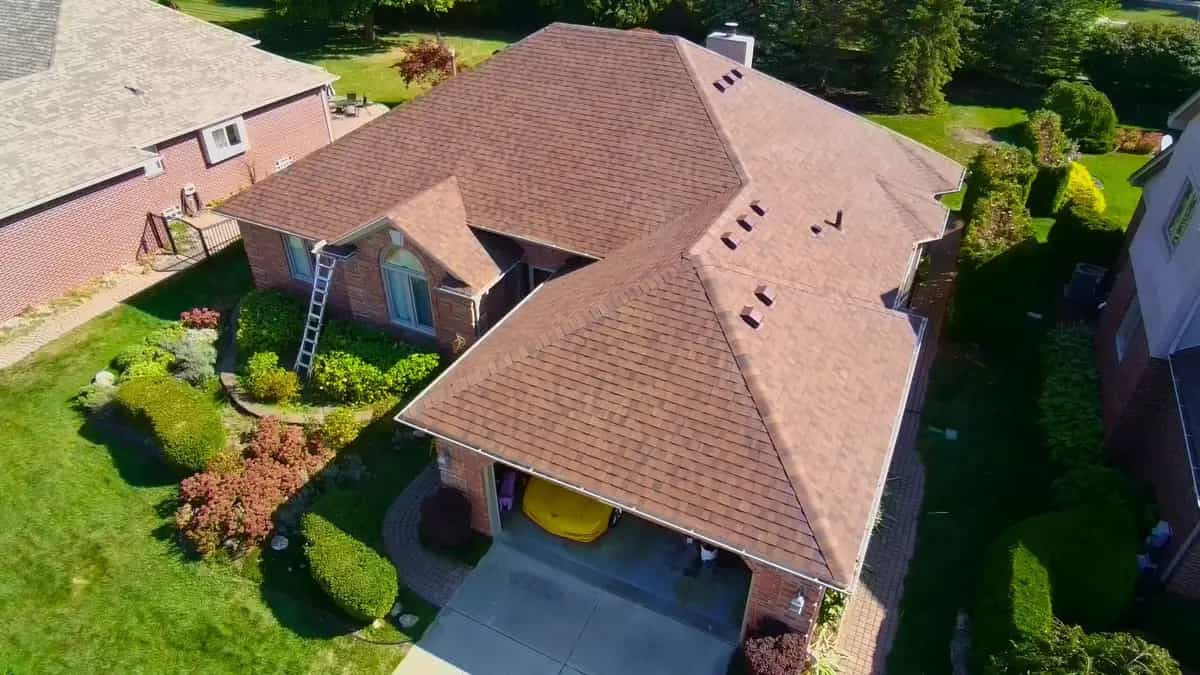
- 1970s to 1990s colonials and cape cods (Troy's neighborhoods off Long Lake Road and South Boulevard, Lake Orion's Keatington and Indianwood subdivisions): more complex rooflines with multiple valleys and dormers. The complexity does not shorten shingle life on its own, but it multiplies the number of places a roof can leak before the shingles themselves are actually worn out.
- 2000s and newer construction (northwest Troy near Oakland Mall and similar subdivisions elsewhere): factory-installed OSB decking and better baseline ventilation than anything built before 1990, but the builder-grade shingles that came with the house are now 15 to 20 years old and visibly fading on south and west facing slopes, right on schedule for a 3-tab-grade product.
On the roofs we tear off in these neighborhoods, the age of the house and the age of the roof are often different numbers, and the gap between them tells you a lot. A 100-year-old bungalow on its fourth roof is not a crisis. A 2005 colonial on its original builder-grade shingles is exactly where you would expect it to be at 20 years.
Why Michigan's Freeze-Thaw Cycle Shortens Roof Life
Asphalt shingles are rated and marketed using lab conditions that do not include a Michigan winter. Our weather runs the shingle through a cycle that milder states never see: snow melts on a warm afternoon, refreezes overnight at the eaves, and the resulting ice dam forces water backward under the shingle tabs. That cycle repeats dozens of times every winter, and it attacks two things at once: the asphalt itself, which becomes brittle and loses granules faster under repeated freeze-thaw stress, and the nailing, since shingles that have been lifted and resettled by ice do not seal back down the way they did when they were new. This is also why we install a minimum of 6 feet of ice and water shield at every eave, well past the 24-inch code minimum, on every roof replacement we do, rather than treating ice dam protection as an upgrade.
Ventilation Is the Lifespan Lever We Actually Control
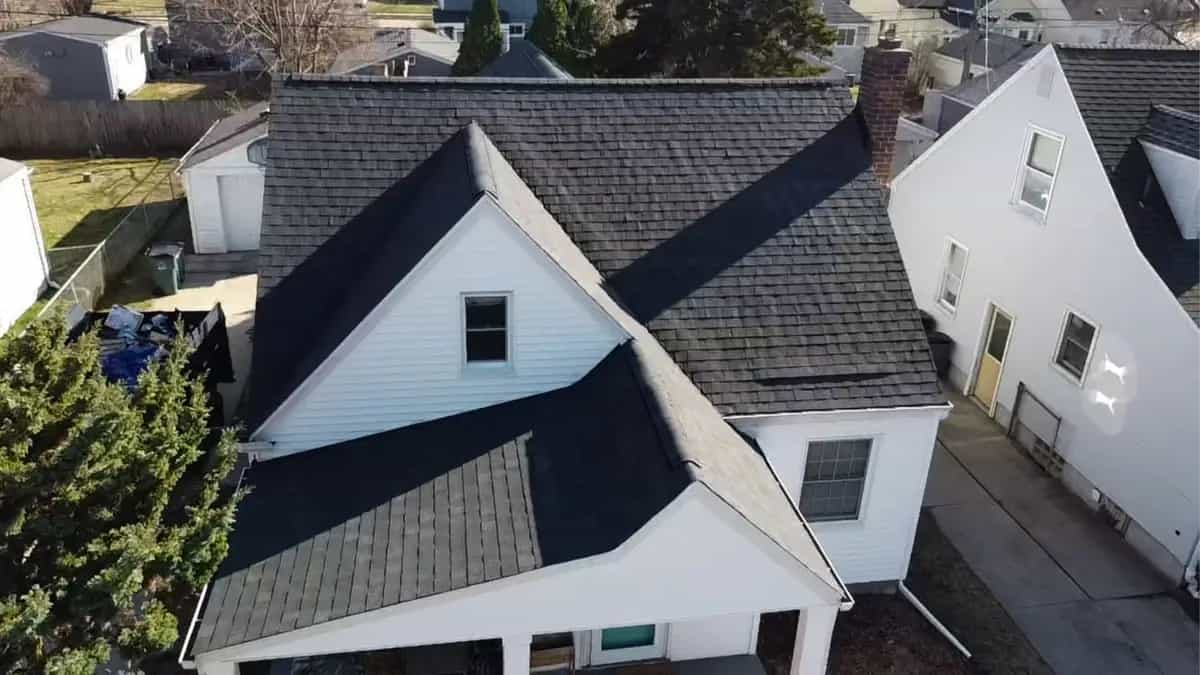
Shingle brand gets all the attention in a sales pitch, but ventilation is the variable that most often decides whether a roof hits 15 years or 30. The Michigan Residential Code sets a minimum net free ventilating area for attics, and most homes built before the 1990s were never brought up to that standard when they were reroofed, because reshingling over the same inadequate vents is faster and cheaper than fixing them. Without balanced intake and exhaust, summer attic heat cooks the underside of the shingle from below, and winter moisture promotes mold and rot in the decking, both of which shorten the roof's usable life regardless of what the shingle wrapper says. We run a ventilation analysis on every estimate for exactly this reason. For the code numbers and how we size intake against exhaust, see our ridge vent vs box vent guide, or read more on our attic ventilation page.
What a Real Roof's Cost Works Out to Per Year
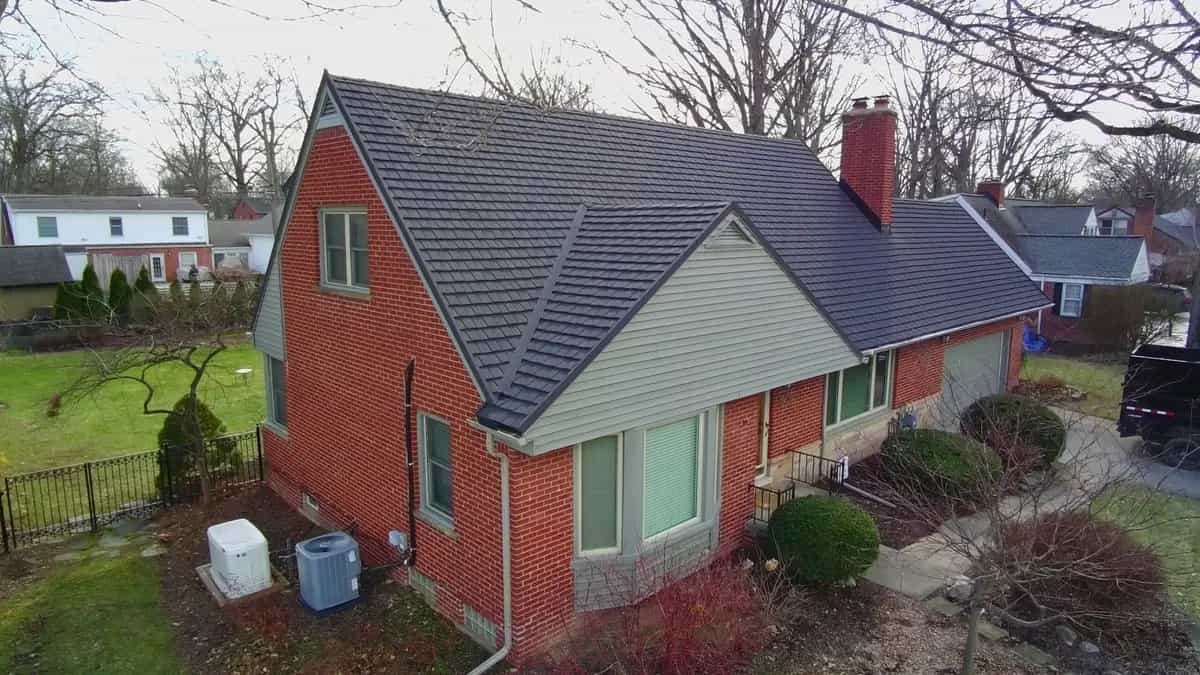
Lifespan is easier to judge in dollars per year than in a single upfront number. Take two real architectural shingle jobs from our job gallery: 26 West Street in Oxford, a 1,440 square foot roof in Atlas Pinnacle Pristine, cost $11,904.27. Spread across a 25 to 30 year expected life with correct ventilation, that works out to roughly $400 to $475 a year. 2251 Columbia Road in Berkley, 1,567 square feet in the same shingle line, cost $13,968.47, or roughly $465 to $560 a year over the same range. On the metal side, the 1957 Edgewood Boulevard job in Berkley, a Tilcor stone-coated steel roof at $43,262.52 for 2,713 square feet, runs a higher upfront number but spreads across 40 to 50-plus years, which is why the lifetime-cost comparison in our metal vs asphalt guide often narrows the gap more than the sticker price suggests. None of this math works, though, if the ventilation behind the shingle was never fixed. A roof that dies at 15 years instead of 28 just doubled its real cost per year, no matter what it cost to install.
What Shortens a Roof's Life Beyond Its Expected Range
- Poor or unbalanced attic ventilation. The single biggest factor we see, and the one most reroofs never fix.
- Skipping ice and water shield, or installing only the code minimum. Repeated ice dam cycles attack the shingle and the decking underneath it every winter.
- Reroofing over a second layer instead of a full tear-off. The Michigan Residential Code caps shingle roofs at two layers for a reason; a second layer traps heat against the new shingles and hides decking problems.
- South and west facing exposure. These slopes take the most direct UV exposure and age visibly faster than north and east facing slopes on the same roof, which is why uneven wear across one roof is normal, not a defect.
- Tree cover and shade. Shade slows UV aging but adds moss, algae, and moisture retention, trading one aging mechanism for another rather than eliminating it.
If your roof is already showing some of these signs rather than just approaching its expected age, our guide on repair vs replacement walks through how to tell whether a repair still makes sense or whether you are paying for a roof you already know is coming.
Getting the Full Lifespan Out of Your Next Roof
The honest version of this article is that the shingle you choose matters less than most sales pitches suggest, and the installation underneath it matters more. On every roof replacement we build, that means a full tear-off, a ventilation analysis before we quote a number, 6 feet of ice and water shield at the eaves, cap nails instead of staples, and a 50-year workmanship warranty behind the manufacturer's material warranty. For what that actually costs on a real Michigan home, see our guide on what a roof replacement costs in Michigan, or schedule a free inspection and we will tell you honestly where your current roof sits on the timeline above.
Frequently Asked Questions
How long does a roof last on a house in Michigan?
Most Southeast Michigan homes get 25 to 30 years out of architectural asphalt shingles and 15 to 18 years out of older 3-tab shingles, assuming correct installation and attic ventilation. Metal roofing, including the stone-coated steel systems we install, typically runs 40 years or more. Poor ventilation or skipped ice and water shield can cut any of those numbers significantly.
What is the lifespan of a roof by material in Michigan?
Architectural asphalt shingles: 25 to 30 years. Older 3-tab asphalt shingles: 15 to 18 years. Stone-coated steel shingles: 40 to 50-plus years. Standing seam metal: 50-plus years. These are what we see at tear-off on properly ventilated attics, not just the manufacturer's prorated warranty period.
Does the age of my house affect how long my roof will last?
Indirectly, yes. Homes built before the 1990s were often framed with little or no soffit ventilation, and many have never had that corrected through later reroofs. The roof's shingle age and the house's construction decade are separate numbers, and a home where they are far apart, like a 100-year-old bungalow on its fourth roof, is usually less concerning than a 20-year-old subdivision home still on its original builder-grade shingles.
Does attic ventilation really change how long a roof lasts?
Yes, more than the shingle brand does in most cases. Unbalanced ventilation lets summer heat cook the shingle from underneath and lets winter moisture promote rot and mold in the decking, both of which shorten the roof's usable life regardless of what the shingle warranty says. We run a ventilation analysis on every estimate for this reason.
How long does a metal roof last compared to asphalt in Michigan?
A stone-coated steel or standing seam metal roof typically lasts 40 years or more, roughly double an architectural asphalt shingle roof's 25 to 30 years. It costs more upfront, often two to three times as much, so the real comparison is lifetime cost, not the sticker price. Our metal vs asphalt guide includes a calculator that runs that math for your own roof size and time horizon.