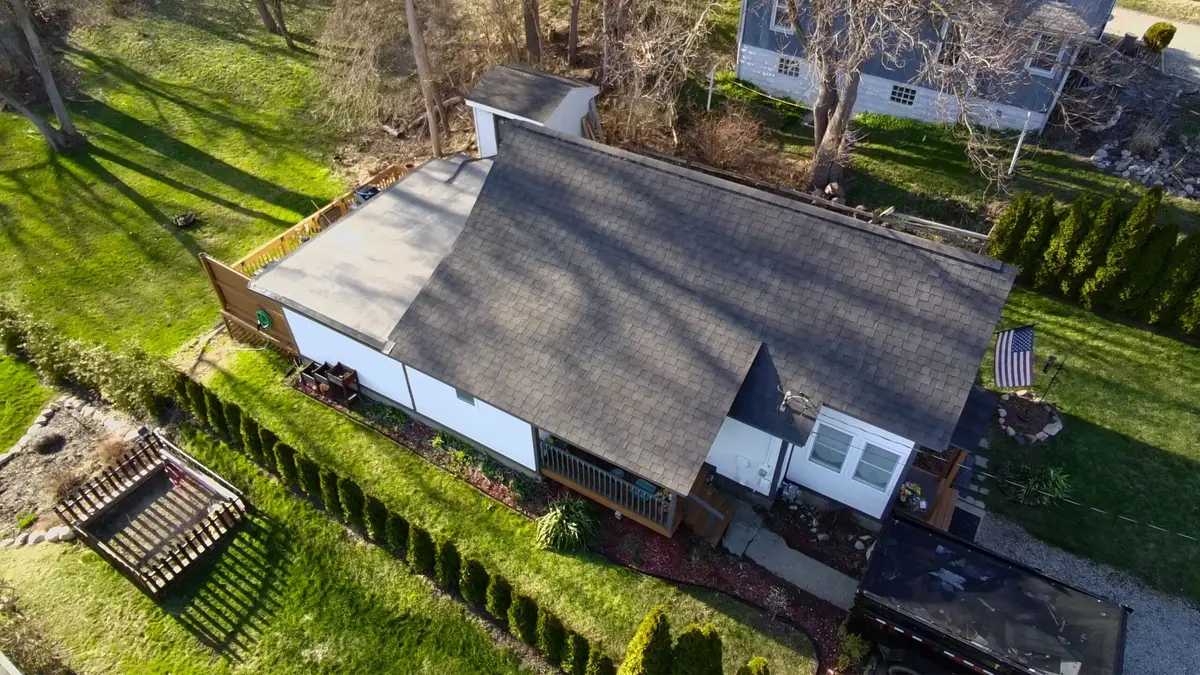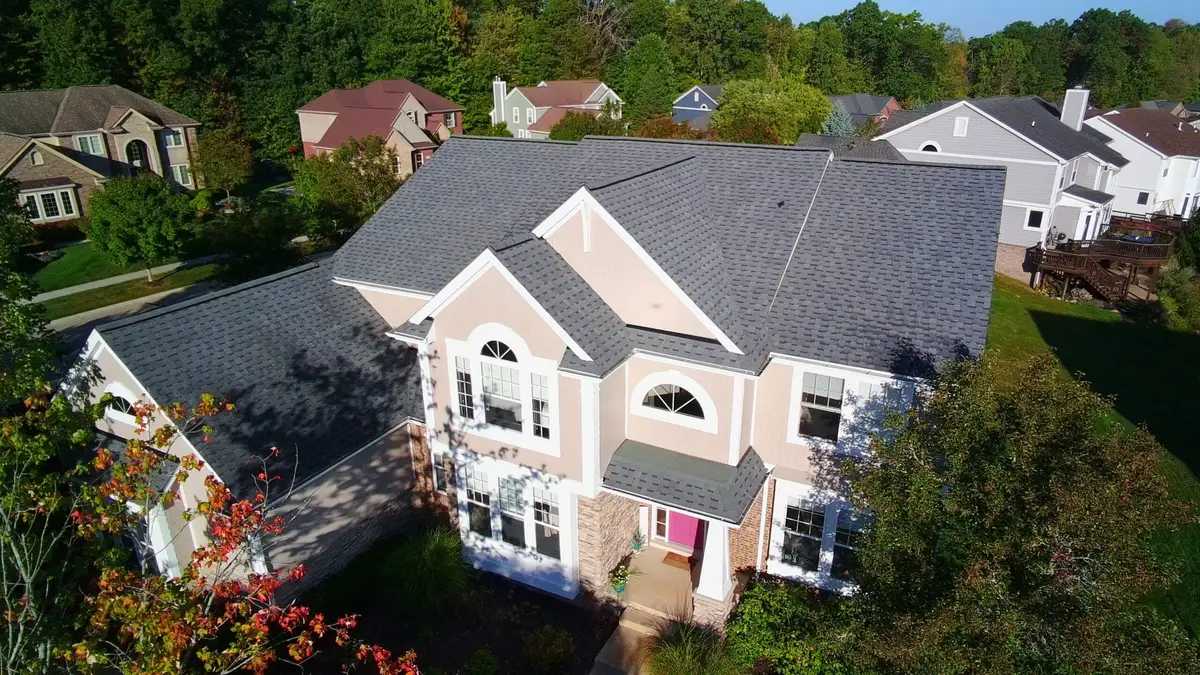
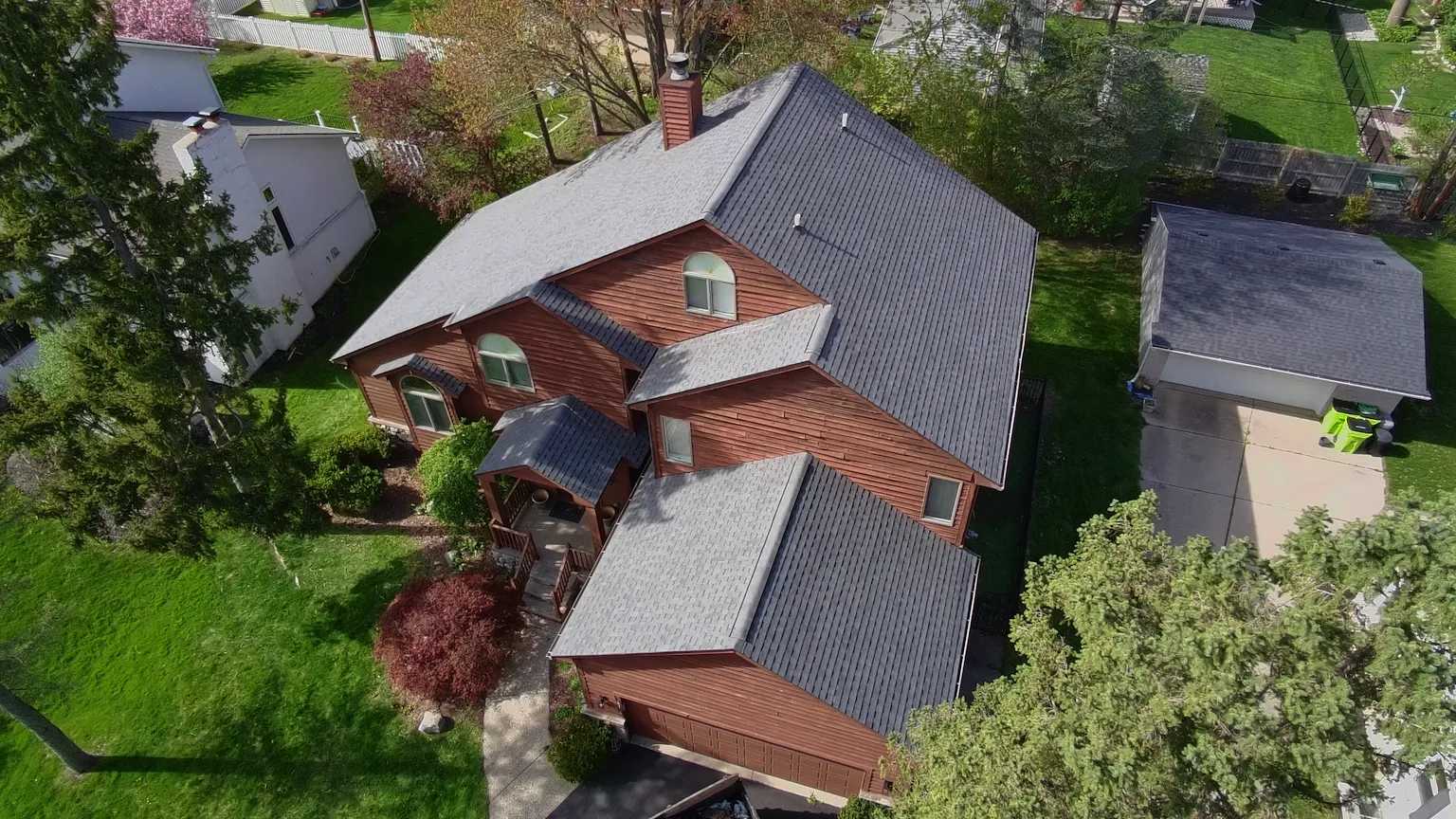
On a metal roof, snow guards go wherever a slide of snow and ice could land on a person, a car, a deck or a gas meter: above every entry door, along walkways, and at any low eave people pass under. Standing seam sheds snow fastest, in whole sheets, and needs the most guards; Tilcor stone-coated steel has more texture and holds snow closer to how asphalt does, so it often needs fewer. Written by Aaron Scott, licensed Michigan residential builder and owner of Roofing Army, which installs both systems.
Why does a metal roof need snow guards?
Asphalt shingles are rough, granule-covered, and nailed down in overlapping courses, so snow mostly stays put until it melts. A metal roof is the opposite: smooth panels or interlocking tiles, almost no surface friction, and a deck that warms up fast in sun even on a cold day. The result is the thing Michigan homeowners with a new metal roof notice the first winter, a whole sheet of snow letting go at once instead of melting off a little at a time. On standing seam, that sheet can cover an entire slope. On Tilcor's stone-coated steel shingles and shakes, the textured, individually fastened tiles behave more like asphalt and hold snow longer, which is part of why we price and install snow guards differently on the two systems.
The Metal Construction Association, the trade group behind the main technical bulletin on cold-climate metal roof design, notes that snow on any roof concentrates most heavily near the eaves and in valleys, because wind scours it off the open field of the roof and piles it where the roofline changes. That is exactly where a slide is most likely to let go, and exactly where we focus guard placement.
Where do snow guards go on a metal roof?
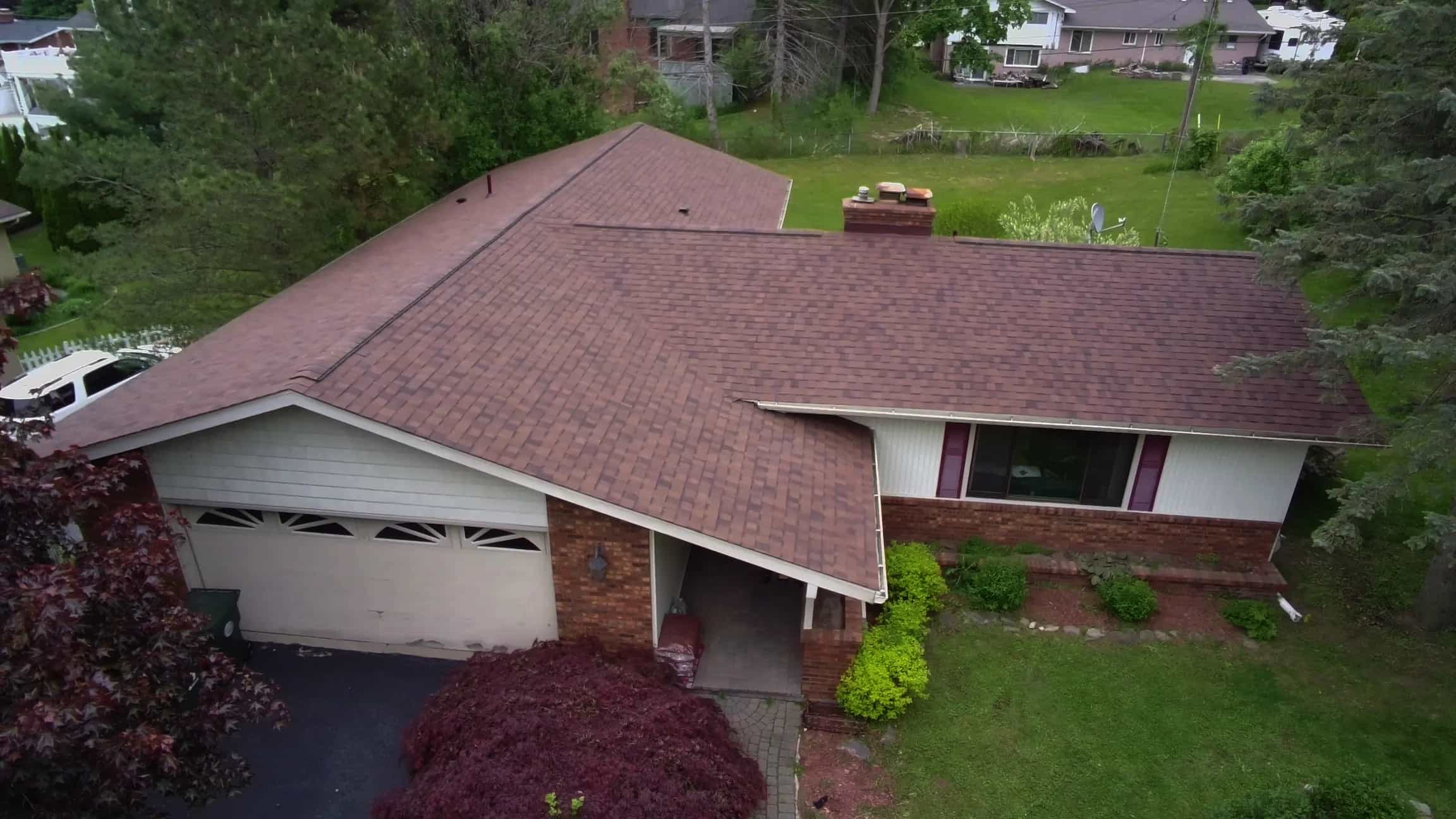
We place snow guards based on what is underneath the roof, not a fixed pattern. On every standing seam job, that means:
- Above every entry door, front, side and garage service doors included, so a slide does not land on someone walking out.
- Over walkways, driveways and sidewalks, including a public sidewalk at the property line if the eave overhangs it.
- Above decks, patios and porches, where people sit or grill in weather warm enough to trigger a slide off a sun-facing slope.
- Above gas meters, AC condensers and other equipment that a sheet of snow and ice could damage or bury.
- At any low eave, a single-story addition under a two-story slope, a garage roof below a dormer, anywhere a slide from a higher roof drops onto a lower one people use.
Valleys get extra attention for the reason above, wind-driven accumulation, even when the valley itself is not over a walkway, because a loaded valley is often what lets go first. On a simple gable with no valleys, dormers or traffic below, a roof can sometimes need guards only at the entries and skip the rest of the field.
How many snow guards does a metal roof need?
This is the part a generic online calculator cannot answer honestly, and we would rather tell you that than hand you a made-up number. The real inputs are the roof's design snow load, its pitch, the panel profile, and the guard manufacturer's own tested holding capacity for that profile, run through an engineering layout, not a rule of thumb.
The snow load side of that equation starts with Michigan's own building code. The Michigan Residential Code's ground snow load table, amended under Mich. Admin. Code R. 408.30515, sets a base number by county that every structural and snow-retention calculation in the state works from:
| County | Ground snow load |
|---|---|
| Oakland | 25 psf, countywide |
| Macomb | 25 psf, countywide |
| Wayne | 20 psf (25 psf in Northville) |
| Lapeer | 25 psf (30 psf in several northern townships and villages) |
| Ottawa | 50 psf (35 to 40 psf in several western townships) |
| Kent | 35 psf (40 psf in several northern townships) |
That spread is the clearest number we can show you for why a roof in our Jenison service area, in the Lake Michigan snowbelt, carries a meaningfully heavier design snow load than the same roof in Oakland or Macomb County, and why a snow guard layout engineered for one of our Southeast Michigan jobs should never be copied onto a West Michigan one. A roof's actual design load also adjusts that ground number for roof shape, exposure and slope, which is why the manufacturer or installer, not a homeowner with a tape measure, should run the final count.
Treat any generic calculator that spits out a guard count from square footage alone with real skepticism. We have seen online tools claim a roof this size needs anywhere from a few dozen to several hundred individual pads, a range wide enough to tell you the tool is guessing. We order snow guards against the panel maker's own tested spacing tables for the specific profile and clamp on your roof, not a square-footage formula.
What types of snow guards are there?
| Type | How it attaches | Where we use it |
|---|---|---|
| Clamp-on pad or bar | Clamps to the panel's standing seam, nothing penetrates the metal | Standing seam, including retrofits on an existing roof |
| Fence-style rail | Two or more horizontal tubes on brackets, usually clamped | Standing seam roofs with long, open slopes or heavy valley loading |
| Through-fastened pad | Screwed through the panel face into the deck, with a sealing washer | Exposed-fastener barn metal, where the panel is already screwed down the same way |
| Built into the tile | No separate hardware; the tile's texture and individual fastening do the work | Tilcor stone-coated steel shingles and shakes, at entries and valleys where extra holding is still worth it |
Clamping to the seam is what lets a standing seam roof carry a full snow guard system with zero new holes in the panel, the same principle behind the panel's hidden fasteners in the first place. A through-screwed pad on an exposed-fastener barn roof is consistent with how that roof is already attached, but the same screw-through approach on a standing seam or Tilcor panel works against the system's own water-shedding design and can open a leak path the manufacturer never tested for. We match the guard's attachment method to the roof it is going on, not the other way around.
Do Tilcor stone-coated steel roofs need snow guards too?
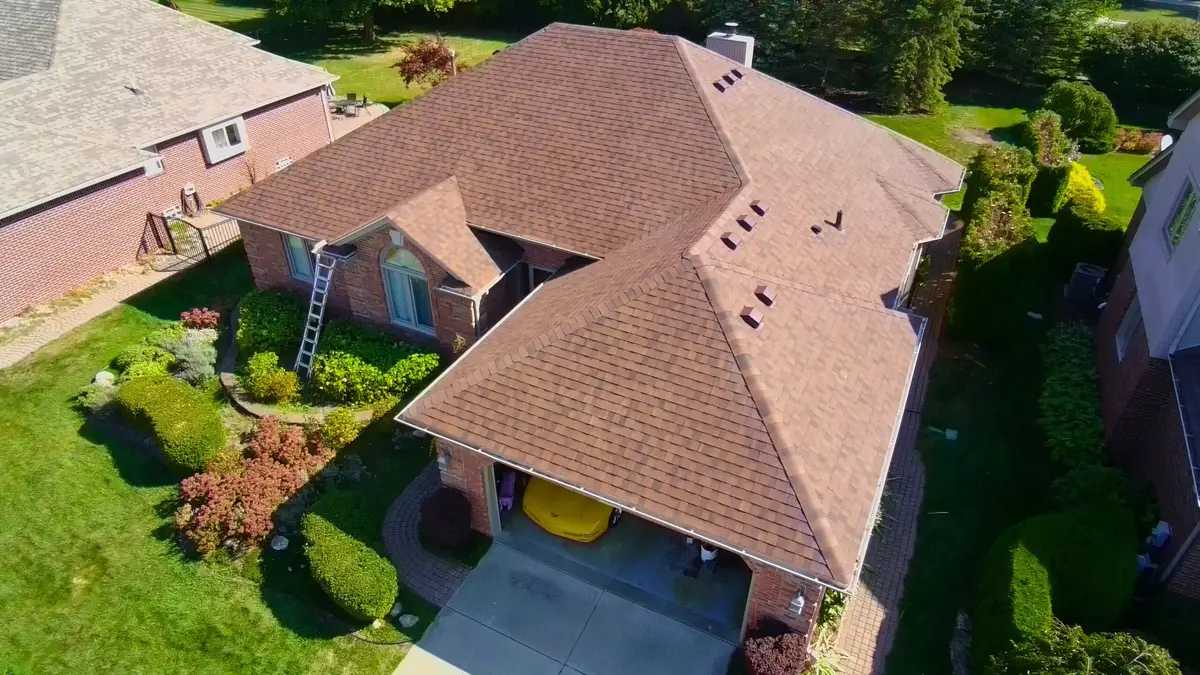
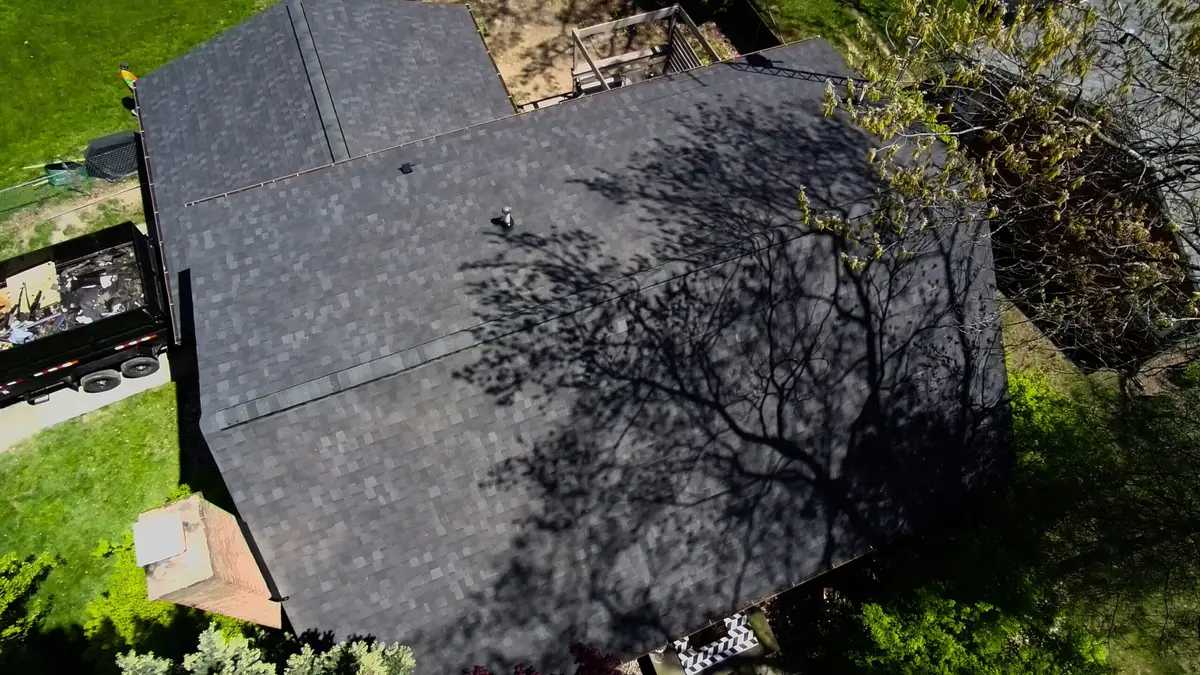
Sometimes, but less often than standing seam. Tilcor's CF Shingle and CF Shake tiles are individually fastened and textured, closer in snow behavior to the asphalt shingles they are styled to resemble, which is one reason our own 1957 Edgewood Boulevard job in Berkley, a 2,713 square foot Tilcor Charcoal Blend roof, did not need the same guard layout a standing seam roof that size would. We still add guards over entries, walkways and low eaves on a stone-coated steel roof when the home's layout calls for it, the same logic as standing seam, just applied with a lighter hand.
Can snow guards be added to an existing metal roof?
Yes, on standing seam and most exposed-fastener panels, without waiting for a reroof. Clamp-on guards for standing seam install after the fact with no new penetrations, which is the retrofit we recommend first if a homeowner calls us after a close call with a slide off an existing roof. Exposed-fastener and barn metal roofs can take a through-fastened retrofit guard, sealed the same way the panel's own fasteners are, though we check the panel's condition first since adding new fastener penetrations to an older, weathered roof is a different call than doing it on day one.
What do snow guards cost?
Nationally, Angi reports snow guard installation running about $10 to $40 per linear foot of coverage, with most homeowner projects landing between $1,000 and $4,000 depending on roof size and layout. We do not sell or install snow guards as a standalone retrofit product line the way a specialty installer might; on a Roofing Army metal roof, guard placement is one line item inside the full quote alongside trim, flashing and ridge caps, priced for your roof's actual layout rather than a per-guard retail number. Our metal roof cost guide walks through what else moves a metal roof quote.
Get a Snow Guard Layout Built for Your Roof
Every standing seam and Tilcor quote we write includes a snow guard plan matched to your roof's layout, its county's ground snow load, and the panel manufacturer's own spacing tables, with no separate charge sprung on you later. See both systems explained in full, with colors and specs, on the metal roofing page, Tilcor stone-coated steel page and standing seam page, or compare the full lifetime cost of metal against asphalt in our metal vs. asphalt guide. We serve Southeast Michigan from offices in Oxford, Ferndale, Rochester Hills and Plymouth, and West Michigan from Jenison. Schedule a free inspection through our roof replacement page; there is no deposit, and nothing is due until the job is done.
Sources: Michigan Residential Code ground snow load table, Mich. Admin. Code R. 408.30515; Metal Construction Association snow retention guidance as summarized by Construction Canada; Sheffield Metals and S-5! technical guidance on snow guard design and attachment; Angi cost guides for snow guard installation; Roofing Army published job gallery prices and internal product data for Tilcor and standing seam systems. Snow loads and code figures are set by county and can be amended; confirm the current table with your local building department.
Frequently Asked Questions
Does a metal roof need snow guards in Michigan?
Usually yes on standing seam, and often yes in specific spots on Tilcor stone-coated steel. Both systems shed snow faster than asphalt shingles, so we add snow guards above entry doors, walkways, decks and gas meters so a slide does not land on a person or damage equipment below.
Where do snow guards go on a metal roof?
Above every entry door, along walkways and driveways, over decks and patios, above gas meters and AC equipment, and at any low eave that overhangs an area people use. Valleys get extra attention too, since wind-driven snow concentrates there even when the valley is not directly over a walkway.
How many snow guards does my roof need?
It depends on your roof's design snow load, pitch, panel profile and the guard manufacturer's tested holding capacity, run through an engineering layout rather than a square-footage formula. Michigan's ground snow load starting point varies a lot by county, from 20 psf in most of Wayne County to 50 psf in most of Ottawa County, so a layout for one region should never be copied onto another.
Do Tilcor stone-coated steel roofs need snow guards?
Sometimes, but usually fewer than standing seam needs. Tilcor's textured, individually fastened tiles hold snow closer to how asphalt shingles do, so we add guards mainly at entries, walkways and low eaves rather than across the full field of the roof.
Can I add snow guards to a metal roof after it's installed?
Yes. Standing seam roofs take clamp-on guards that attach to the seam with no new holes in the panel, so a retrofit is straightforward. Exposed-fastener and barn metal roofs can take a through-fastened retrofit guard, sealed the same way the panel's own screws are, after we check the condition of the existing panel.