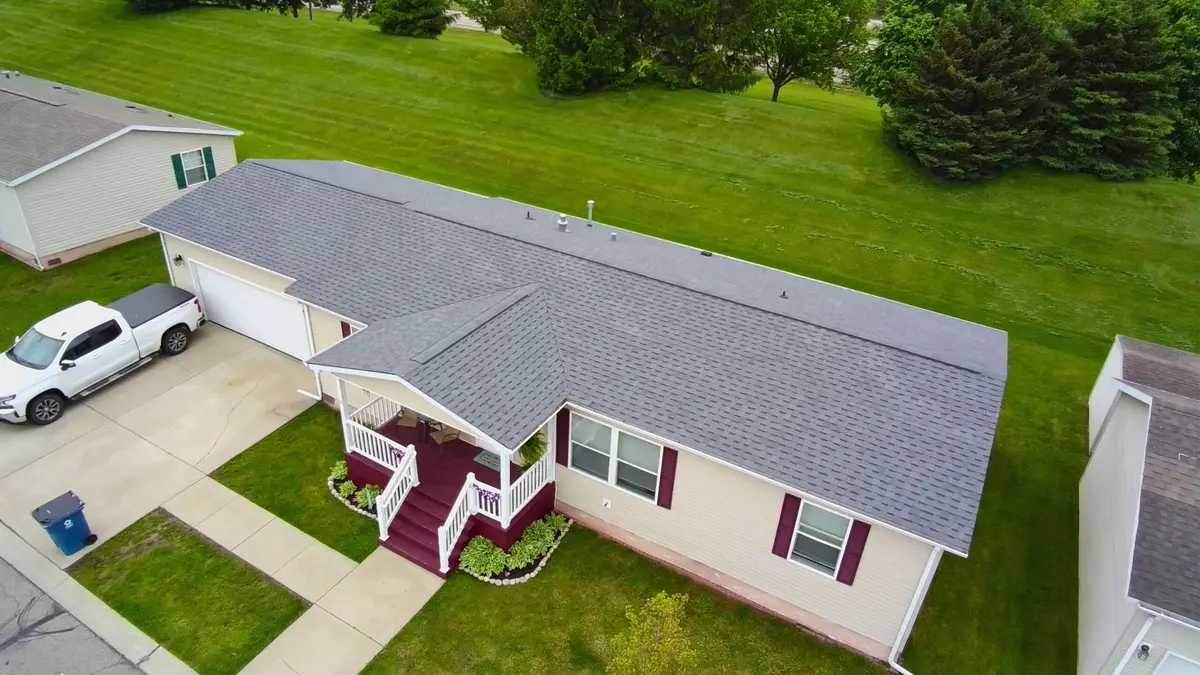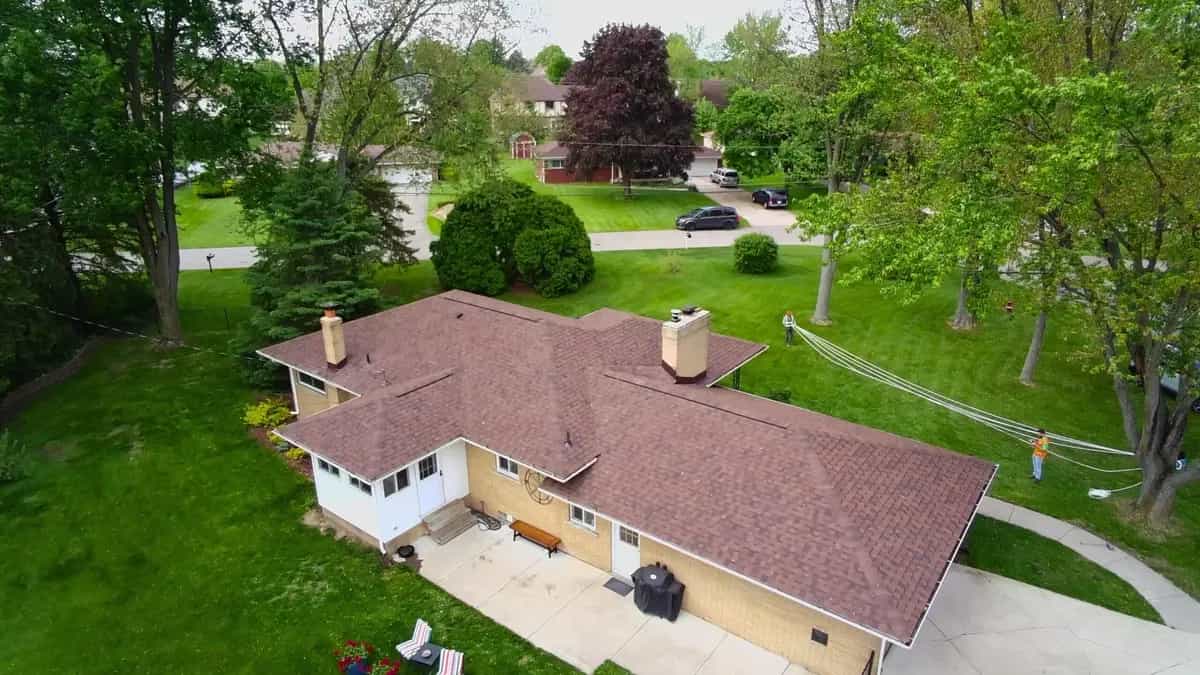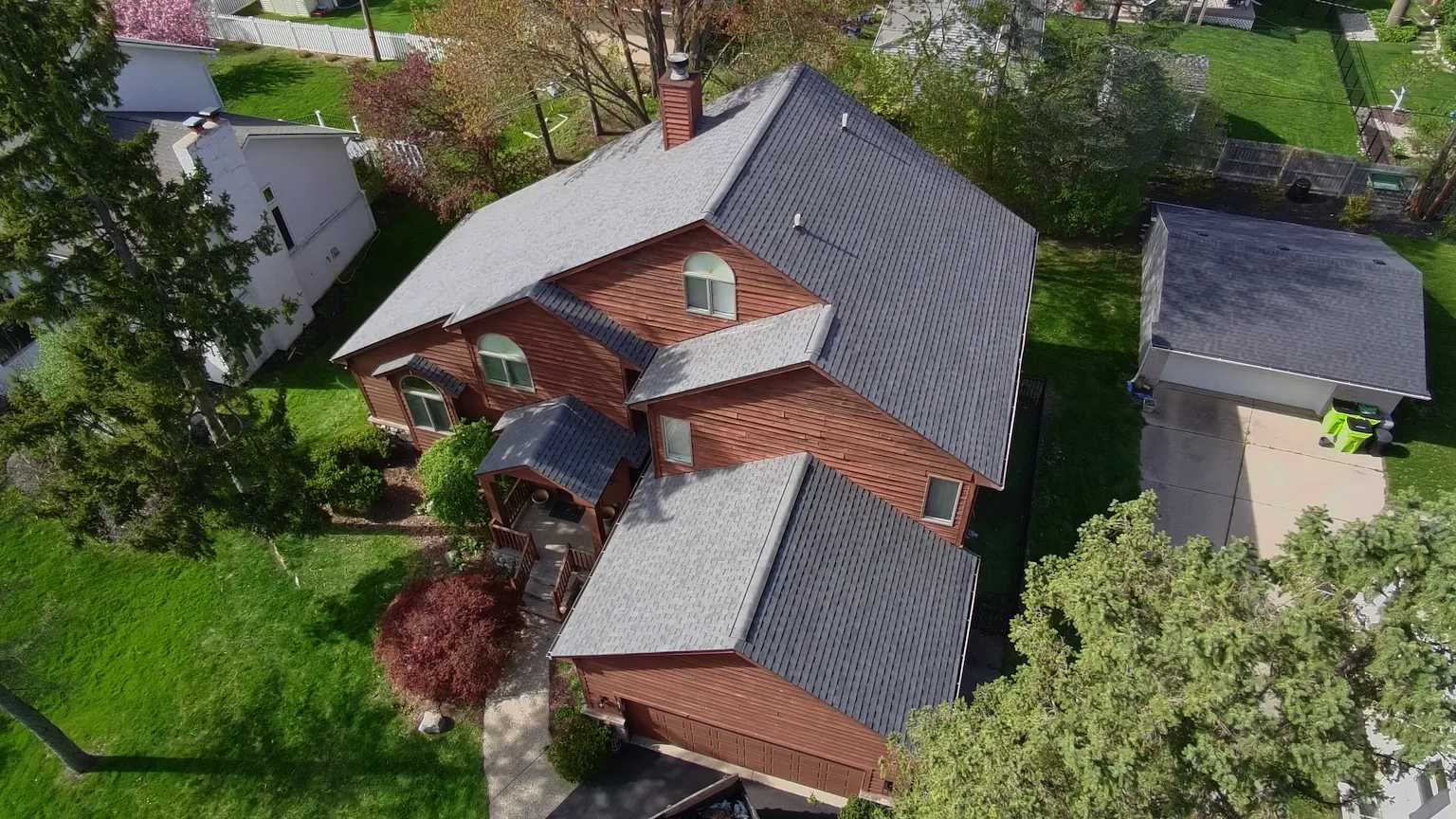
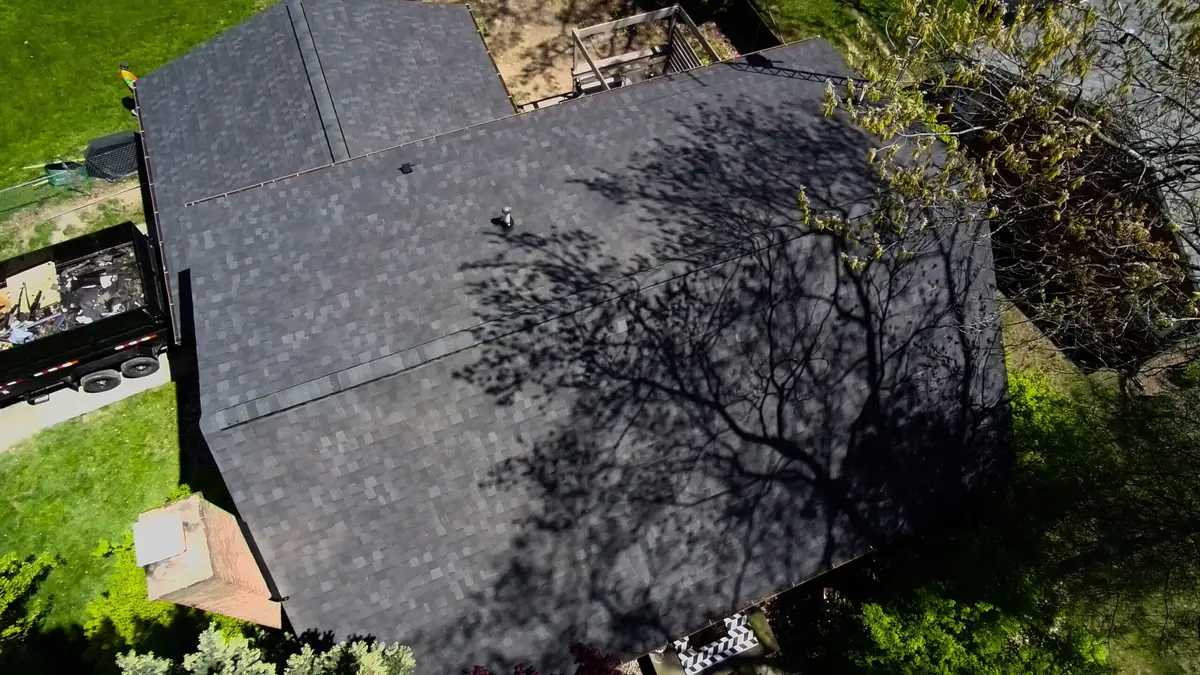
Ridge vent is the better exhaust choice for most Michigan attics because it vents the whole roof evenly with no moving parts and no power draw. Box vents are the right call when a roof has too little straight ridge to carry the load, usually hip roofs. A power vent, electric or solar, is rarely worth adding on top of either one, and in most cases it does more harm than good by pulling air from the nearest existing vent instead of the soffits. I am Aaron Scott, licensed Michigan residential builder and owner of Roofing Army, and here is how the three actually compare.
Is a Power Vent Better Than a Ridge Vent for a Michigan Attic?
No, not for most homes. A properly sized ridge vent paired with enough soffit intake moves air passively, using temperature and wind-driven pressure differences, with nothing to wire, nothing to replace, and no electricity bill. A power vent adds a motor and a thermostat or humidistat to force air out faster, which sounds like an upgrade until you look at what actually happens once it turns on. We cover the full sizing math, the Michigan code minimums, and the real ridge-vent-versus-box-vent breakdown across our own jobs in our attic ventilation 101 guide; this post focuses specifically on where a power vent fits, and where it does not.
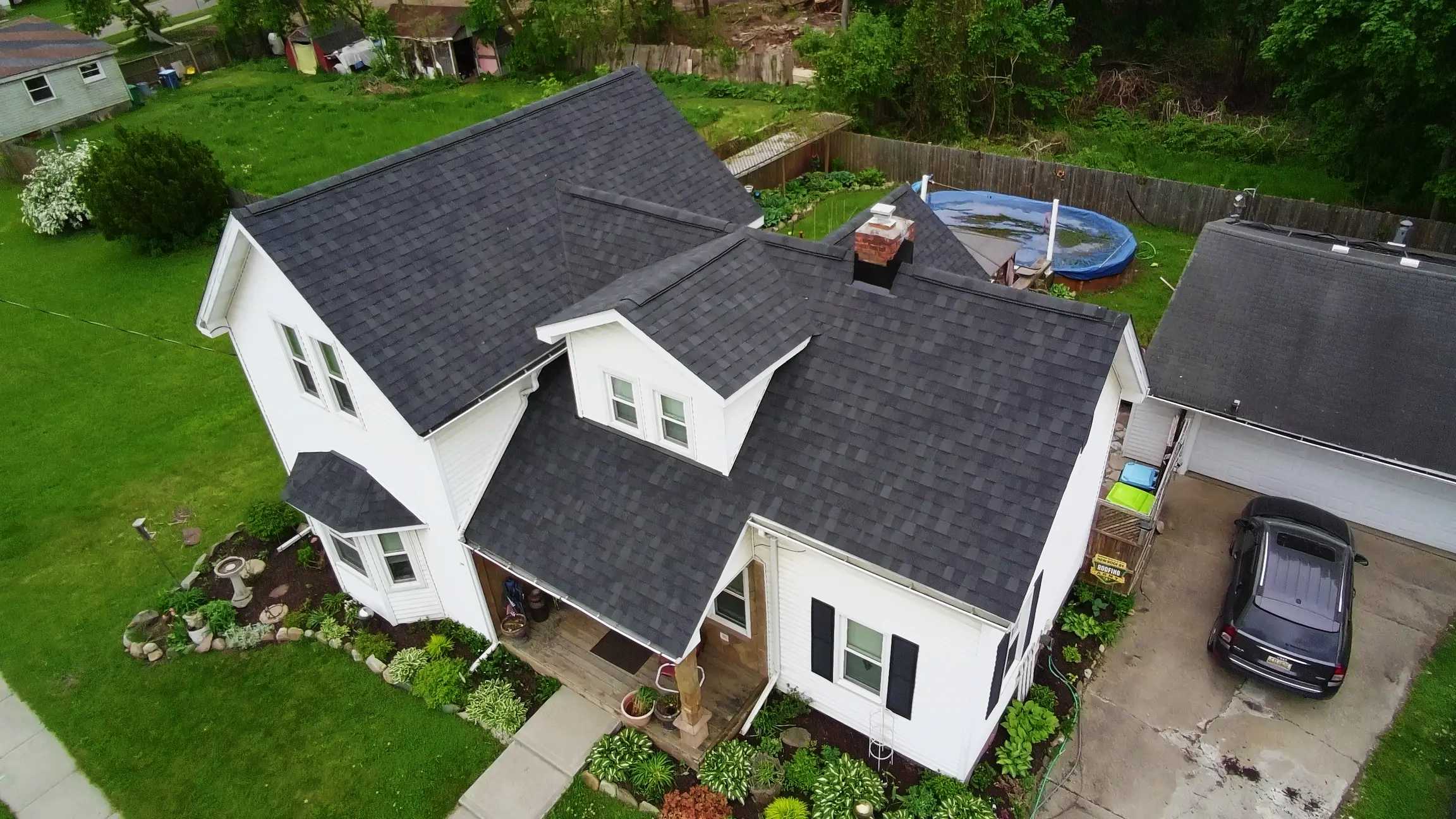
Ridge Vent vs Box Vents vs Power Vent: Quick Comparison
| Ridge vent | Box vents | Power vent | |
|---|---|---|---|
| Power needed | None | None | Electric motor or solar panel |
| Best fit | Long, continuous ridge lines | Hip roofs, short or broken-up ridges | Rarely recommended as an add-on |
| Even coverage | Vents the whole peak evenly | Creates scattered exhaust zones | Pulls hard from one point only |
| Main risk | Needs enough linear ridge footage | Needs enough units, properly spread | Short-circuits nearby exhaust vents |
| Ongoing cost | None | None | Electricity (electric) or none (solar), plus a motor that eventually fails |
What Is Ventilation Short-Circuiting, and Why Does It Matter With a Power Vent?
Short-circuiting is what happens when a roof has more than one exhaust-type vent competing for the same attic air. Air follows the path of least resistance, so instead of pulling fresh air up from the soffits the way the system is designed to work, one exhaust vent starts acting as the intake for another. Trade publication Roofing Contractor describes this directly: a power vent placed near a ridge vent or roof louvers will often draw air straight through that nearby opening rather than from the soffits, leaving the rest of the attic unventilated even though the vent count on paper looks fine. The fix the industry recommends is to pick one exhaust type for the whole roof. If you are adding a power vent, every other upper-roof exhaust vent, including an existing ridge vent, needs to come out.
Shingle manufacturer GAF's own technical guidance backs this up: the exhaust ventilation at or near the ridge should never exceed the intake at the soffits, and GAF's bulletin on power attic vents specifically warns that a power vent can pull outside air in through other parts of the ventilation system, such as a nearby ridge vent, instead of drawing it up from the eaves where it belongs. That is the opposite of what the fan is supposed to do.
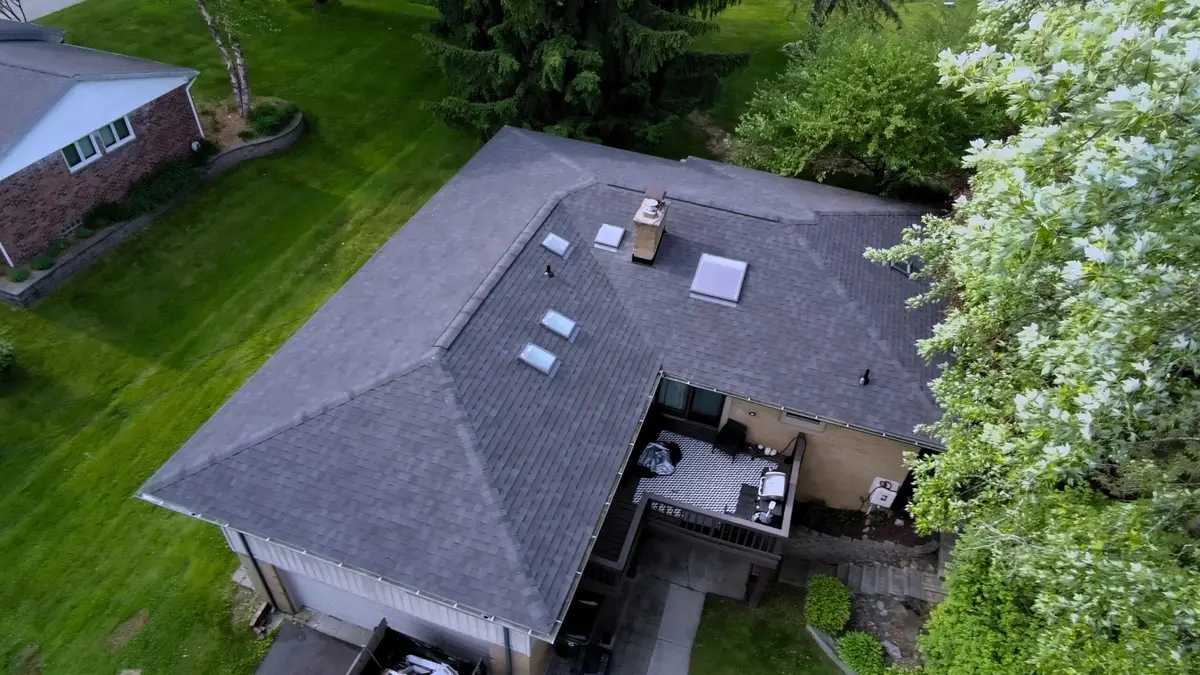
Do Power Attic Ventilators Actually Save Energy?
Usually not, and this is the part most homeowners never hear from whoever is selling the fan. The Department of Energy's Building America program is direct about it: ENERGY STAR does not recommend attic ventilation fans. The reason is a mechanical one, not a marketing opinion. A powered fan creates a negative pressure zone inside the attic, and that pressure difference pulls replacement air from wherever it can find it, which on most houses means through ceiling light fixtures, attic hatches, and other gaps straight from the air-conditioned living space below rather than from the soffits outside. In summer that means you are paying to cool air and then paying again to exhaust it out the roof. Building America cites older Florida Solar Energy Center research finding that power fans cut cooling loads by only small to moderate amounts in some tests, and a separate study finding some fans use more electricity than the cooling they save. In winter the same negative pressure pulls warm, moist indoor air up into the attic instead, which is exactly the condition that drives condensation and the kind of rot we cover in our ice dam guide.
Building science writer Allison Bailes at Energy Vanguard makes the same point more bluntly: if the ceiling below the attic is not airtight, a power vent spends money pulling conditioned air out of the house rather than venting the attic the way it is marketed to. He quotes building scientist Dr. Joe Lstiburek on the fix: if the attic ceiling is airtight, you do not need the fan, and the money is better spent sealing that ceiling first. There is also a safety angle worth knowing: Building America's guidance notes a power vent's negative pressure can backdraft a fuel-burning water heater or furnace that is not sealed combustion, pulling combustion gases into the house instead of up the flue.
Solar Attic Fans vs Hardwired Power Vents: What Is the Difference?
Both move air the same way, with a powered fan rather than pressure and wind alone. A solar attic fan runs off its own panel and draws no power from the house's electrical system, so there is no wiring to run and no line-item on the electric bill, and it keeps working during a power outage. A hardwired electric unit usually moves air at a more consistent rate since it is not dependent on sun exposure, but it needs an electrician to run power to the roof and it does add to your utility bill when it runs. Neither type solves the short-circuiting problem described above. A solar fan mounted too close to an existing ridge vent or box vent will pull air from that nearby opening instead of from the soffits, the same failure mode as an electric unit; being solar powered changes the running cost, not the airflow physics.
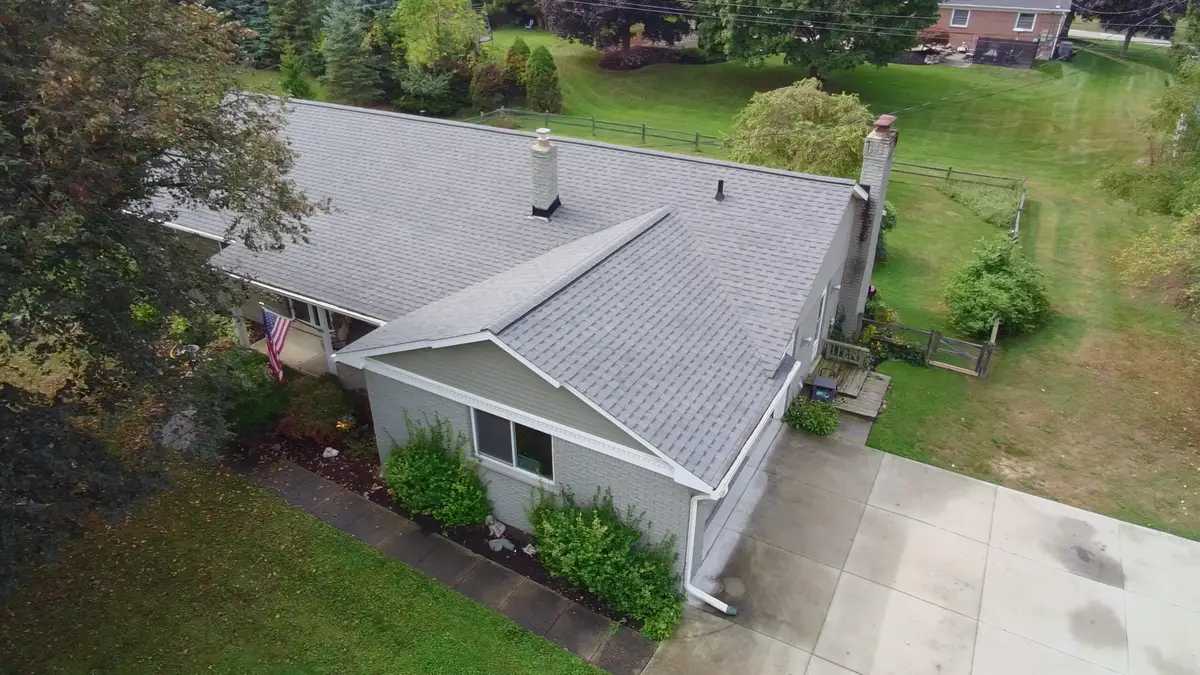
When Does Roofing Army Recommend a Power Vent?
Rarely, and never as an add-on to an existing ridge vent or box vents that are already sized correctly. Every estimate we write includes a real ventilation analysis: we measure the attic, count the existing intake and exhaust, and run the numbers against the Michigan Residential Code before recommending anything, the same process we describe in our ventilation 101 guide, where we break down how we size ridge vent against box vents across our own jobs. If a roof genuinely cannot fit enough passive ridge or box vent capacity to meet code, a power vent can close that gap, but only after the mismatched exhaust vents it would compete with are removed and the soffit intake is confirmed adequate to feed it. On the roofs we tear off across Southeast Michigan, that combination of circumstances is uncommon; most attics that feel hot in summer have a soffit intake problem, not a lack of exhaust, and adding a fan on top of blocked soffits just pulls harder on air that was never getting in to begin with.
Get Your Attic's Ventilation Checked
If a room under the roof runs hot, or an attic stays damp through the winter, the fix is almost always sizing and balance, not a fan bolted on top of an already-undersized system. We measure every attic the same way on every estimate, free, before recommending ridge vent, box vents, additional soffit intake, or, in the rare case it is warranted, a power vent. We serve Southeast Michigan from offices in Oxford, Ferndale, and Rochester Hills. Learn more on our attic ventilation page, see real project pricing in our job gallery, or start with our roof replacement page if your ventilation issue is tied to a roof that needs replacing anyway.
Frequently Asked Questions
Is a power vent better than a ridge vent for a Michigan attic?
Usually not. A properly sized ridge vent with enough soffit intake moves air passively with no motor, no wiring, and no electricity cost. A power vent adds mechanical exhaust, but the Department of Energy's Building America program notes ENERGY STAR does not recommend attic ventilation fans, since they create negative pressure that often pulls conditioned air from the house instead of fresh air from the soffits.
Can you use a power vent and a ridge vent together?
Not safely without removing one of them. This causes what the trade press calls ventilation short-circuiting: the power vent pulls air through the nearby ridge vent opening instead of from the soffits, leaving much of the attic unventilated. GAF's own technical guidance warns a power vent can draw outside air in through other parts of the ventilation system, such as a ridge vent, rather than from the eaves. The standard fix is one exhaust type per roof.
Do power attic ventilators actually lower cooling costs?
Rarely by much, and sometimes they cost more than they save. Research cited by the Department of Energy's Building America program found power fans reduced cooling loads only modestly in some tests, and other studies found some fans used more electricity than the air conditioning savings they produced. The bigger issue is that most ceilings leak enough that the fan ends up pulling already-cooled air out of the house rather than hot attic air.
Is a solar attic fan better than an electric one?
A solar fan does not add to your electric bill and keeps running in a power outage, while a hardwired electric fan moves air more consistently since it is not dependent on sunlight. Neither type fixes the short-circuiting problem: a solar fan mounted too close to an existing ridge or box vent will pull air from that opening instead of the soffits, the same failure mode as an electric unit.
What vent type does Roofing Army recommend for Michigan attics?
On most homes, a correctly sized ridge vent paired with enough soffit intake. Hip roofs with little usable ridge usually do better with box vents placed high and spread across the roof. We only recommend a power vent on the rare roof that cannot fit enough passive exhaust to meet code, and only after confirming the existing vents it would otherwise compete with are addressed first.