If a roof installed in the last several years is still leaking, the cause is almost always how it was installed, not a defect in the shingles: high or missed nails, stapled underlayment, reused flashing, or ice and water shield skipped at the eaves. A second opinion inspection finds the real cause before you pay to patch the wrong problem.
I am Aaron Scott, licensed Michigan residential builder and owner of Roofing Army. We inspect roofs other companies installed almost every week, usually because a homeowner called us after a leak, a stain, or a second storm made it clear the first job was not done right. This is what we actually find, what it means for your warranty, and how to get it fixed correctly.
Why Is a Newer Roof Still Leaking?
Asphalt shingles themselves rarely fail in the first several years. When a roof under ten years old leaks, the shingles are usually fine and the installation underneath them is not. The most common culprits are nails driven too high or too low on the shingle, underlayment fastened with staples instead of cap nails so wind works it loose, step and counter flashing around chimneys and walls that was reused instead of replaced, and ice and water shield that stops short of where it should extend, or was never installed at all. Every one of those is an installer decision, not a shingle defect, and every one of them can pass a quick walk-around inspection while still leaking the first time water comes from the wrong angle.
Storm damage can also open up a leak on a newer roof that was marginal to begin with. A roof with thin ice and water coverage or under-driven nails has less margin before wind or ice finds the weak point. If a recent storm is involved, our guide on what to do when shingles blow off in a windstorm covers that process separately.
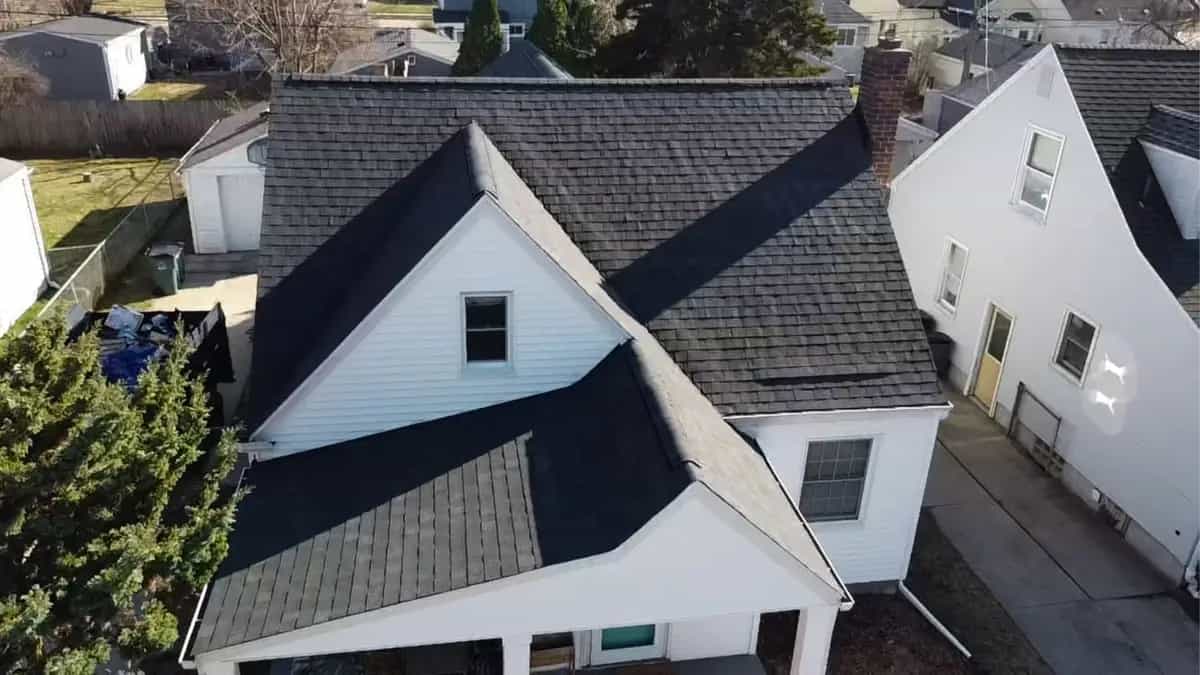
What Does a Second Opinion Roof Inspection Check?
A real second opinion is not a five-minute look from the ground. It means getting on the roof and into the attic to find where the water is actually getting in, since the stain on your ceiling is rarely directly below the entry point. On a leaking roof that someone else installed, we specifically check:
- Nailing pattern. Nails placed above the manufacturer's nail line, underdriven, overdriven, or missing the double layer at the overlap all create a path for water, and most of these are invisible unless you lift a shingle.
- Underlayment fastening. Staples instead of plastic cap nails is one of the most common shortcuts we find. Staples back out and tear through synthetic underlayment under wind load far sooner than cap nails do.
- Flashing at chimneys, walls, and skylights. Whether step flashing was actually woven into the shingle courses or just caulked on top, and whether counter flashing was properly cut into a mortar joint or reglet rather than sealed on the surface where it will fail in a few winters. Our chimney flashing guide breaks down each part of that system.
- Ice and water shield coverage. The Michigan Residential Code requires an ice barrier at the eaves extending at least 24 inches inside the exterior wall line. We regularly find roofs where that minimum was not met, or where valleys and penetrations were left uncovered entirely.
- Pipe boots and vent flashing. Rubber boot collars crack over time, and a boot installed without the right size or sealant fails faster. See our pipe boot and vent stack guide for how these small parts cause a disproportionate number of leaks.
- Decking condition. Soft, delaminated, or previously water-damaged decking that was shingled over instead of replaced will keep leaking no matter how good the shingles on top are.
This is the same inspection we run for any free roof inspection, attic included, and it costs nothing whether the roof is ten years old or ten months old and whoever installed it.
Does My Warranty Still Cover This If the Installer Is Out of Business?
This is the question we hear most from homeowners dealing with a bad recent install. Warranty confusion is common enough that it comes up on roughly 75 calls a year to our office, with about a quarter of those specifically about the difference between a labor warranty and a material warranty, and callers regularly arrive holding 1-year, 15-year, and 30-year figures from different roofers with no clear idea which one applies to their actual problem. Part of the confusion is that "warranty" on a roof is really three different things, and they do not all disappear when a contractor closes up shop.
| Warranty type | Who backs it | What it covers | Survives if the installer closes? |
|---|---|---|---|
| Standard shingle warranty | The shingle manufacturer | Manufacturing defects in the shingles themselves | Generally yes. It is an agreement between you and the manufacturer, not the installer. |
| Contractor workmanship warranty | The company that installed the roof | Installation errors: nailing, flashing, sealing, leaks caused by the work itself | No. It is only as good as the business that wrote it. |
| Enhanced manufacturer warranty (GAF Golden Pledge, Silver Pledge, System Plus and similar certified-contractor programs) | The manufacturer, issued through a certified installer | Material and labor together, often for longer terms than a standalone contractor warranty | Depends on the program and whether the installer registered it correctly. Confirm directly with the manufacturer. |
In practice, that means a leak traced to a genuine shingle defect may still be covered by the manufacturer even if the installer is long gone. A leak traced to bad flashing, bad nailing, or skipped underlayment, which is what we find on most second opinion calls, was never a manufacturer problem to begin with, and if the installer's own workmanship warranty is the only thing that covered it, that coverage ended when the company did. If you are not sure which situation you are in, check whether your installer is still an active Michigan license through the LARA license lookup before assuming the warranty is worthless. Every Roofing Army job carries a 50 year workmanship warranty in writing, registered to your job portal rather than left on a piece of paper you have to track down later. You can see what both warranty types cover on our warranty page.
Repair the Trouble Spot, or Replace the Section?
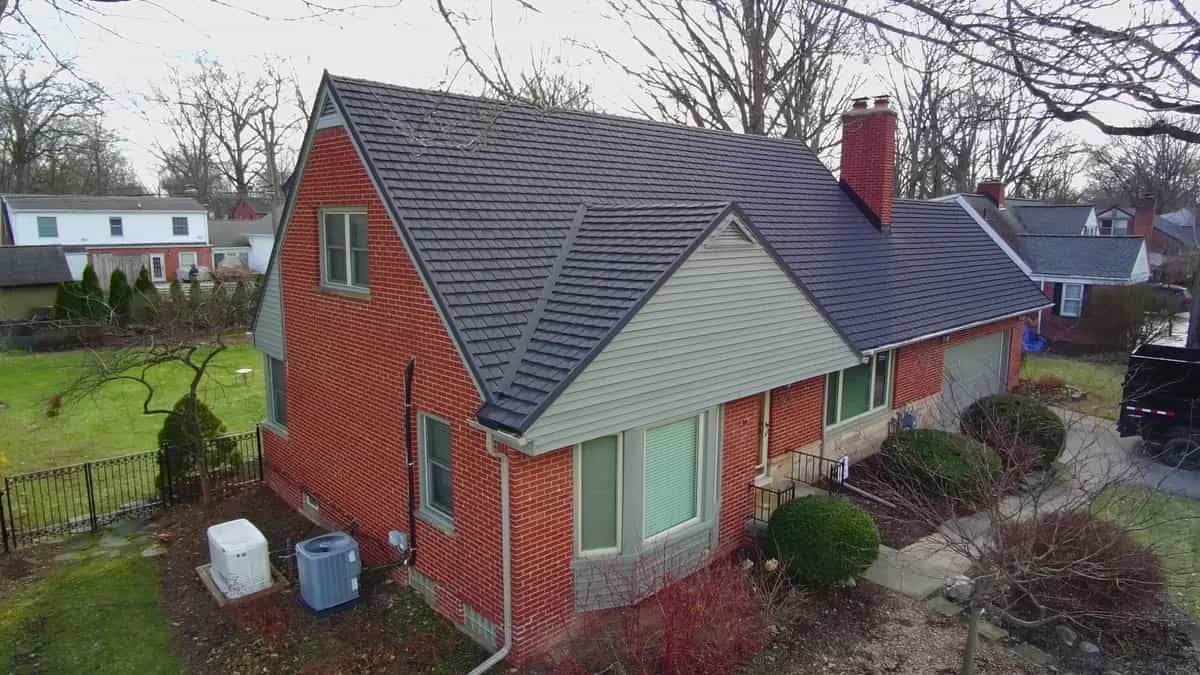
Most installation defects we find are fixable without tearing the whole roof off. Reflashing a chimney, replacing a section of underlayment, adding ice and water shield at an eave, or correcting a bad nailing pattern on one slope are real repairs with real, bounded costs; our repair cost guide walks through what that kind of work typically runs. The calculation changes if the decking underneath is already damaged from months or years of a slow leak, or if the same mistake was made across the entire roof rather than one section, since fixing the same defect six times over several years usually costs more than doing it once, correctly. Our full repair versus replacement framework walks through how we make that call on any roof, regardless of who installed it originally.
What to Do If You Think Your Last Roofer Got It Wrong
- Document it now. Photograph the stain, the active drip, or the attic moisture with a date, before anything is patched or painted over.
- Get a second opinion from a different, licensed company. Not the installer who may have caused the problem. Confirm their Michigan residential builder license on the LARA lookup before they ever get on your roof.
- Pull your paperwork. Find the original contract, invoice, and any warranty certificate. It tells you whether you have a standalone contractor warranty, a registered manufacturer program, or nothing in writing at all.
- Ask for the cause in writing, not just the fix. A straight answer on whether this is a nailing, flashing, underlayment, or decking problem tells you whether it is a $400 repair or a sign the rest of the roof has the same issue.
- Compare the fix against a fresh quote if the same defect shows up in more than one spot. Our guide on comparing roofing quotes covers what a fair second quote should actually include.
Get a Straight Answer on Your Roof
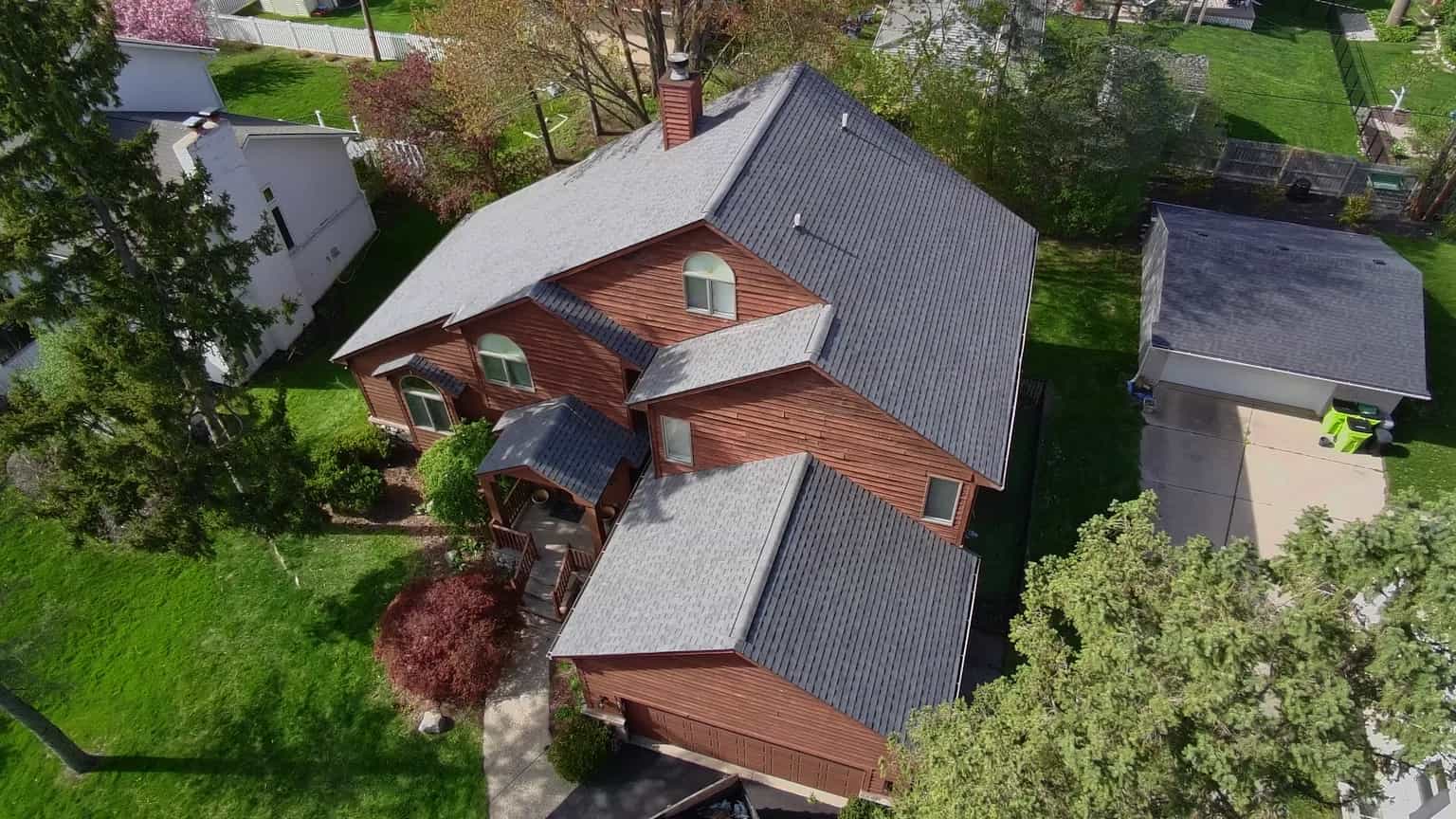
A project manager inspects every roof we look at, including ones someone else installed, and we will tell you plainly whether you are looking at a quick repair, a bigger problem, or a roof that is actually fine and just needs one flashing redone. We never require a deposit, and the inspection itself is free. We run them across Southeast Michigan from offices in Oxford, Ferndale, and Rochester Hills, and you can see the real price of every project we complete in our job gallery before you ever book one.
Frequently Asked Questions
Why is my new roof still leaking?
Almost always because of how it was installed, not a defect in the shingles. The most common causes we find on newer roofs are nails placed too high or too low, underlayment fastened with staples instead of cap nails, chimney or wall flashing that was reused or sealed instead of properly woven and stepped in, and ice and water shield that falls short of code coverage at the eaves. A second opinion inspection, including the attic, finds which one applies to your roof.
Is a leaking roof covered by warranty if the company that installed it is out of business?
It depends on which warranty is actually causing the problem. A leak from a genuine shingle defect is typically still covered by the manufacturer, since that warranty is between you and the manufacturer, not the installer. A leak from bad flashing, bad nailing, or skipped underlayment is a workmanship issue, and if only the installer's own workmanship warranty covered that, it ended when the company closed. Check whether your installer registered an enhanced manufacturer program, like GAF's certified-contractor warranties, since those can offer broader coverage depending on how they were set up.
Are roofers responsible for leaks after installation?
A roofer is responsible for leaks caused by their own workmanship, which is exactly what a workmanship warranty covers. The practical problem is enforcement: that warranty is only as good as the company that wrote it, and a homeowner's recourse narrows significantly if that company is no longer operating. This is also why a written workmanship warranty with real years attached, not just a verbal promise, matters when you are hiring a roofer in the first place.
How much does a second opinion roof inspection cost?
Our second opinion inspections are free, including getting into the attic and identifying the specific cause of a leak, whether or not you book any repair work with us afterward. We make our money doing the work, not charging homeowners to find out what is wrong.
How can I tell if a roof leak is from bad installation or a bad batch of shingles?
A material defect usually shows up as a pattern across many shingles at once, such as widespread cracking, granule loss, or a sealant strip that never bonded on multiple courses. An installation problem is usually localized: one chimney, one valley, one section of eave, or a nailing pattern that repeats across the whole roof because it was installed the same way everywhere. A physical inspection that gets under a shingle or two, rather than a ground-level look, is the only reliable way to tell the difference.